
2015 Cab and Chassis Trucks For Sale
Shop 2015 cab and chassis trucks built for body upfits like flatbeds, dumps, service bodies, box trucks, and utility applications.
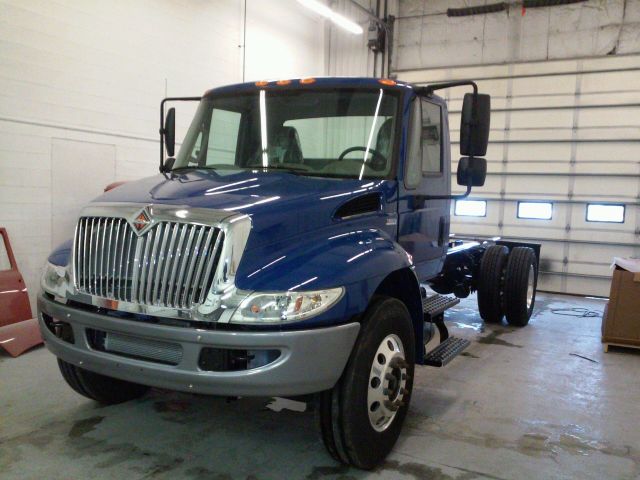
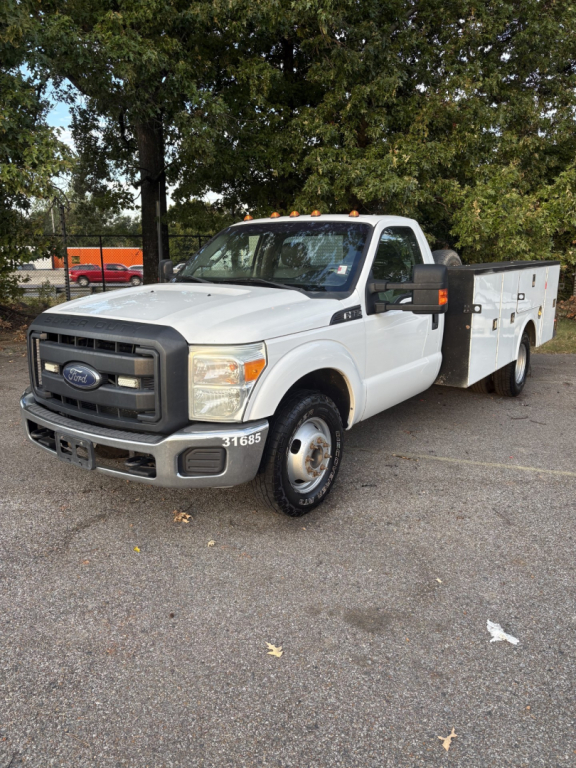

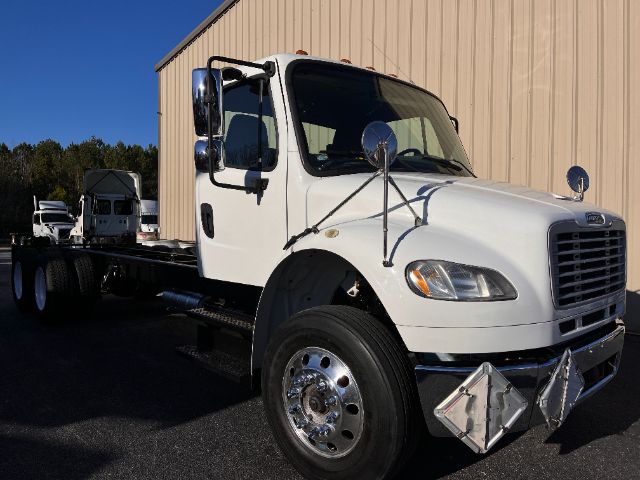

Selling a 2015 cab and chassis truck? List your 2015 cab and chassis truck for sale and reach thousands of commercial buyers.
2015 Cab and Chassis Trucks
The first decision is usually duty class and intended body length. Medium-duty 2015 cab and chassis trucks often fall in Class 4 through Class 7, with common GVWR ratings from 14,500 to 33,000 pounds, while heavier vocational chassis can run into tandem or tri-drive specifications for severe service. Buyers should match the chassis to the finished payload, not just the empty truck rating. Cab-to-axle measurement largely determines what body will fit, and axle ratio, suspension type, and rear axle capacity all affect how the truck will perform once the body, equipment, and cargo are installed. Gas and diesel options were both common in this era, but diesel remains the standard for higher-mileage route work, towing, hydraulics-driven equipment, and heavier GVW applications.
On 2015 trucks, emissions equipment and drivetrain spec deserve close attention. Depending on make and GVWR, many 2015 diesel cab and chassis trucks use DEF and SCR systems, and some also rely on DPF regeneration strategy that needs to be understood if the truck will spend time idling or working at low speed. Transmission choice matters too. Automatic transmissions are common in delivery, municipal, and utility service, while manual and automated manual setups are still common in heavier vocational applications. If the truck will run a crane, compressor, pump, reefer, or hydraulic package, confirm PTO openings, programming, and engine idle management capability. Frame condition is also critical on a used cab and chassis because a clean, straight, non-cut frame can save substantial money during body installation.
A well-matched 2015 cab and chassis can serve as the foundation for route delivery, landscaping, construction, municipality, towing, propane, utility, and field service work. Buyers comparing listings should look past make and horsepower alone and verify wheelbase, CA, frame rail dimensions, front axle set-back, brake type, fuel tank placement, and any existing upfit removal history. Those details determine how easily the truck can be built into the final configuration and how expensive that process will be. The right 2015 chassis is the one that fits the body, carries the load legally, supports the PTO and hydraulic requirements, and has a drivetrain spec suited to the duty cycle.
Frequently Asked Questions about 2015 Cab and Chassis Trucks
What is the difference between a cab and chassis truck and a regular straight truck?
A cab and chassis truck is sold with the cab and frame only, leaving the rear of the truck open for a body upfit. A straight truck already has a permanent body installed, such as a box, flatbed, dump, or service body. For buyers, the cab and chassis layout offers more flexibility because the wheelbase, cab-to-axle length, frame layout, and PTO setup can be matched to the exact body and application.
What should I check first on a 2015 cab and chassis truck?
Start with cab-to-axle, wheelbase, GVWR, rear axle rating, and frame condition. Those measurements determine what body can be installed and how much payload the finished truck can legally carry. After that, review the engine, transmission, axle ratio, suspension, and PTO capability to make sure the truck matches the intended work, especially if the build will include hydraulics, towing equipment, compressors, or other power take-off driven systems.
Are 2015 diesel cab and chassis trucks affected by modern emissions systems?
Yes. Many 2015 diesel trucks use SCR with DEF, and they may also include a diesel particulate filter and active regeneration strategy. That is not necessarily a drawback, but buyers should understand how the truck was used and maintained. A truck that spent its life in proper operating conditions with documented emissions service is usually a better candidate than one that saw constant idling, short-trip use, or repeated warning-light issues.
How do I know what body length will fit a 2015 cab and chassis?
The key measurement is cab-to-axle, often listed as CA, along with the overall wheelbase and any frame obstructions such as tanks, battery boxes, DEF tanks, or exhaust components. Body manufacturers use CA to determine fitment for flatbeds, van bodies, dumps, and utility bodies. The finished application also needs proper axle placement for weight distribution, so body fit is not just about length, but also about balancing the load across the front and rear axles.
Is a 2015 cab and chassis a good choice for upfitting compared with a newer truck?
It can be a strong value if the truck has the right frame, axle, and drivetrain specifications for the intended build. A 2015 model year is often new enough to offer modern braking, drivability, and vocational controls, but old enough to provide a broader used-market selection and lower acquisition cost than a late-model chassis. The real value comes from buying a truck that reduces upfit complications, because correcting wheelbase, frame modifications, or PTO incompatibility can quickly erase any savings.