
2006 Cab and Chassis Trucks For Sale
Shop 2006 cab and chassis trucks built for flatbeds, dumps, service bodies, and box upfits. Compare wheelbases, GVWR, engine, and PTO options.
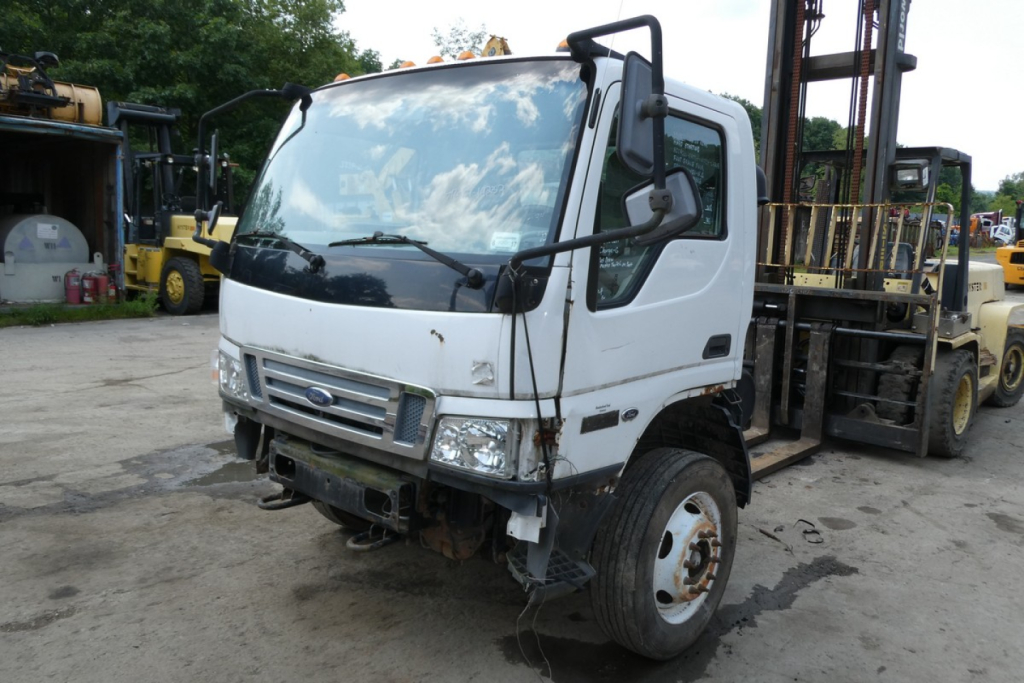

Selling a 2006 cab and chassis truck? List your 2006 cab and chassis truck for sale and reach thousands of commercial buyers.
2006 Cab and Chassis Trucks
Most 2006 cab and chassis trucks in the market fall into medium-duty and vocational segments, commonly from Class 4 through Class 8. Buyers will see diesel engines from Cummins, Caterpillar, Detroit, Mercedes-Benz, International, and Duramax applications depending on make and model, along with manual, automated, or Allison automatic transmissions. Air brakes are common on heavier units, while hydraulic brakes appear on lighter GVWR trucks. If the intended body needs hydraulics, a PTO-compatible transmission and room for pumps, tanks, and plumbing matter as much as horsepower. Frame condition is especially important on older chassis. Look closely for rust scale, previous body mount holes, frame modifications, cracked crossmembers, and signs of hard vocational use around spring hangers and suspension points.
Upfit planning should drive the purchase decision. For a contractor or municipality, a 2006 cab and chassis may still be a cost-effective platform if the engine family has good parts support and the truck's electrical system can accommodate the body controls you need. Cab configuration also matters. Regular cab, extended cab, and crew cab layouts affect body length, usable payload, and jobsite practicality. Suspension type, rear axle ratio, tire size, and turning radius all influence how the truck works once it is built out. A shorter wheelbase may suit dump or plow service, while a longer cab-to-axle setup makes more sense for van body, rollback, or crane applications.
Because these are 2006 model year trucks, emissions equipment is usually simpler than on later diesel platforms, but age and accumulated vocational wear become the tradeoff. Maintenance records, engine hours, PTO operation, and evidence of prior upfits can tell you more than odometer mileage alone. Buyers comparing 2006 cab and chassis trucks should think beyond the cab badge and focus on fit for the final application: frame length, body clearance, axle capacity, brake type, driveline spec, and how easily the chassis can be upfitted without expensive rework. A well-matched cab and chassis can be one of the most versatile ways to put a truck into specialized service.
Frequently Asked Questions about 2006 Cab and Chassis Trucks
What is the most important measurement on a 2006 cab and chassis truck?
Cab-to-axle and wheelbase are usually the most important measurements because they determine what body length and layout will fit the chassis. A buyer also needs to confirm frame height, rear axle position, and available clearances for toolboxes, hoists, PTO equipment, or liftgates. On a used 2006 truck, these dimensions should be verified against the actual chassis, not assumed from a brochure or similar model.
What can a 2006 cab and chassis truck be upfitted for?
A 2006 cab and chassis truck can be configured for a wide range of vocational uses, including flatbeds, dump bodies, service bodies, utility bodies, stake beds, van bodies, tow equipment, and municipal applications such as plows or spreaders. The best choice depends on axle ratings, frame length, PTO capability, and suspension design. The truck has to support both the installed body and the real working payload, not just the empty body weight.
Are 2006 cab and chassis trucks easier to maintain than newer models?
Many 2006 diesel chassis are attractive because they often have less complex emissions systems than later trucks, which can reduce diagnostic and aftertreatment issues. That said, age brings its own concerns, including wiring deterioration, rust, worn suspension parts, and prior vocational modifications. Maintenance simplicity depends on the engine platform, parts availability, and how the truck was used and maintained over time.
How do I know if a 2006 cab and chassis truck can run hydraulic equipment?
Start by checking whether the transmission is PTO-capable and whether the chassis has space for the hydraulic pump, reservoir, valve controls, and plumbing your body requires. You should also confirm engine idle characteristics, cooling capacity, and the condition of any existing wet kit or PTO hardware. A truck may have enough engine power for the job but still require expensive changes if the transmission or frame layout is not suited for hydraulic equipment.
Is mileage or engine hours more important on a used 2006 cab and chassis truck?
For vocational trucks, engine hours can be just as important as mileage, and sometimes more important. A truck that spent years idling to power PTO equipment, run a boom, or support municipal work may show moderate miles but high engine wear. The best evaluation looks at both numbers along with service history, cold-start behavior, transmission condition, axle noise, brake condition, and the overall state of the frame and suspension.