
Blue Bird Bus Trucks For Sale
Shop Blue Bird bus trucks for sale, including school bus models with proven chassis options, passenger capacity, safety features, and serviceability.
Learn moreNo exact matches found for your search
Showing Bus Trucks instead.
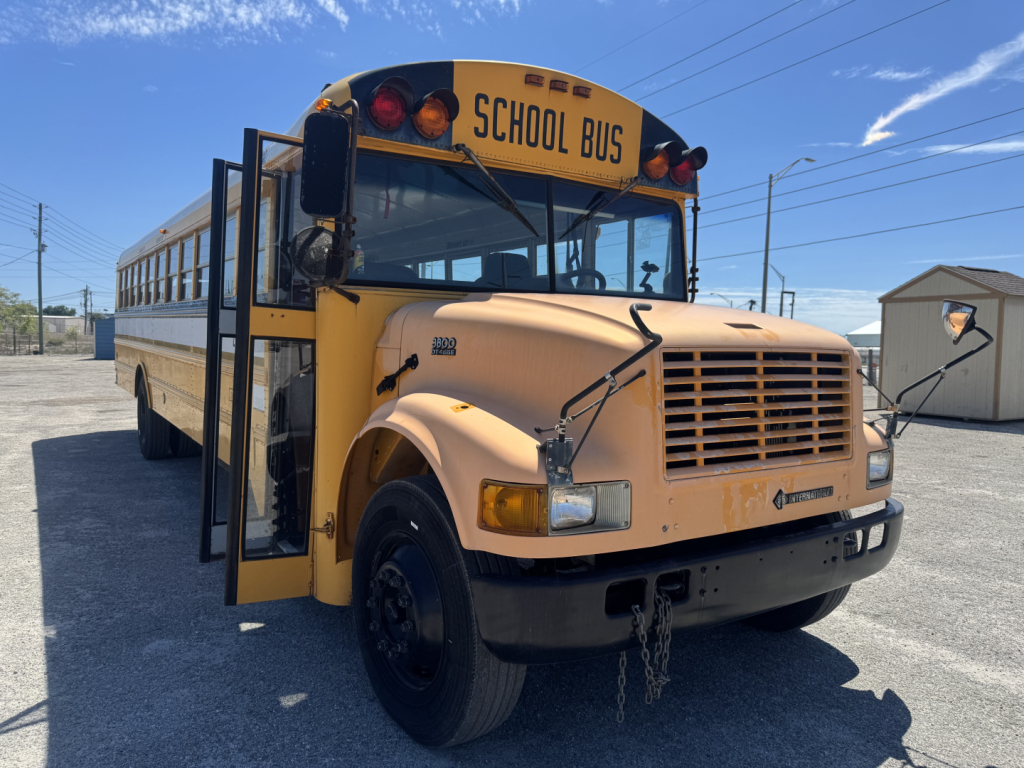
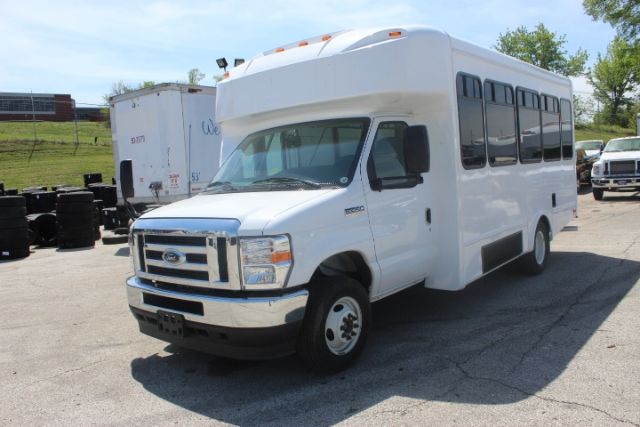
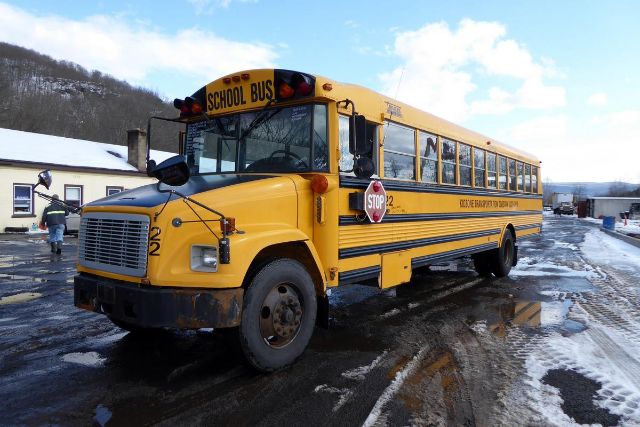
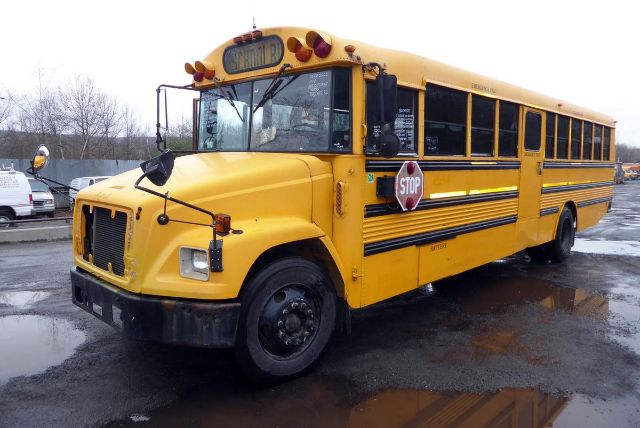
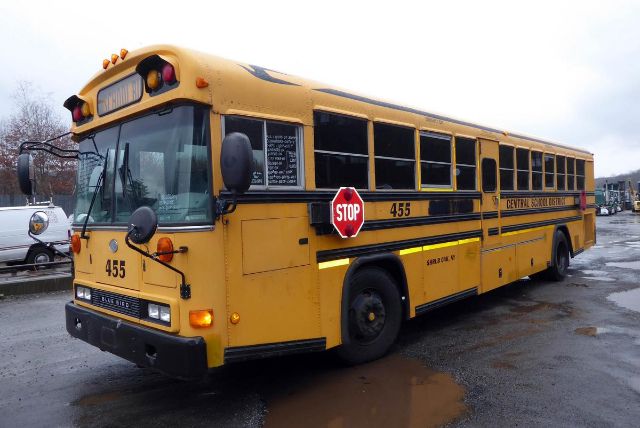
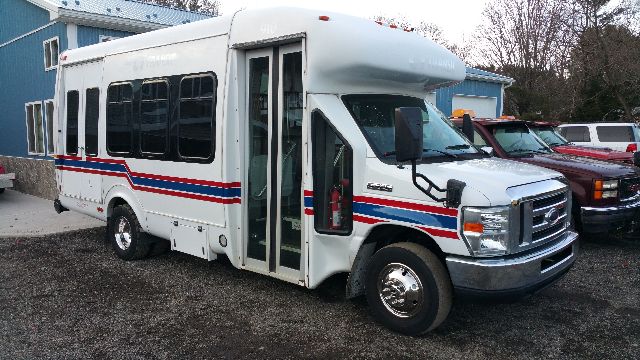
Showing 25 to 31 of 31 results
Have blue bird bus truck to sell? List it here to reach thousands of buyers.
About Blue Bird Bus Trucks
Passenger capacity, body length, axle ratings, and intended route type matter more than model year alone. A Blue Bird bus used on short suburban routes may have very different wear than one that spent years on dense stop-and-go service or rough rural roads. Buyers should look closely at seating count, underbody condition, entrance door operation, wheelchair accessibility if equipped, and the condition of major safety systems. Suspension condition, brake type, tire wear patterns, steering play, and signs of corrosion around step wells, floor structure, and body mounts can tell you more about future operating cost than cosmetics.
For school bus use, Blue Bird has long been associated with high-visibility safety design, durable body construction, and straightforward driver controls. Many units are equipped with features such as crossing control arms, warning light systems, stop arms, roof hatches, and high-back bench seating. Some buses entering the secondary market are later repurposed for church transport, employee shuttles, private fleets, mobile training units, or RV and skoolie conversions. In those cases, buyers should confirm title status, state inspection requirements, seat removal history, and any rules affecting decommissioned school bus equipment.
A good Blue Bird bus purchase comes down to application fit and documentation. Engine hours, idle time, maintenance records, transmission service history, and any evidence of body repair should be reviewed carefully. If the bus will stay in pupil transportation, confirm compliance items and local spec requirements. If it will be converted to another use, pay attention to interior dimensions, luggage or storage needs, electrical capacity, HVAC performance, and overall gross vehicle weight rating. The best value is usually the bus with the cleanest structural condition, the most supportable driveline, and a service history that matches the work it is expected to do next.
Frequently Asked Questions
What should I check first when buying a used Blue Bird bus?
Start with structural condition and service records. Check the frame, floor, body mounts, step well, wheel housings, and underbody for rust or repairs. Then review engine maintenance, transmission service, brake work, suspension repairs, and tire history. A bus with average cosmetics but solid structure and documented maintenance is usually a better buy than a cleaner-looking unit with corrosion or missing records.
Are Blue Bird Vision buses good for school route service?
Blue Bird Vision buses are widely used in school transportation because the conventional chassis layout is familiar, visibility is strong, and parts and service are generally easier to manage than with more specialized designs. They are commonly chosen for daily route work, activity runs, and mixed suburban or rural duty cycles. The right fit still depends on passenger capacity, route length, terrain, and the engine and transmission combination on the specific bus.
Can a Blue Bird school bus be converted for other uses?
Yes, many Blue Bird school buses are repurposed for shuttle service, church transport, mobile businesses, training units, and RV conversions. Before buying for conversion, confirm how the bus is titled, what equipment must be removed or disabled, and what state or local rules apply to former school bus markings and lighting. Buyers should also verify interior dimensions, roof height, HVAC layout, electrical system capacity, and gross vehicle weight rating before planning a build.
What engine and fuel choices are common on Blue Bird buses?
Blue Bird buses are commonly found with gasoline or diesel power depending on year and specification. The best choice depends on your maintenance capabilities, route profile, emissions requirements, and local dealer support. Diesel can be a strong fit for heavier duty cycles and higher mileage use, while gasoline may appeal to fleets looking for simpler fueling or different maintenance economics. The important point is to match the powertrain to the work and to the service network available in your area.
How important is rust on a used bus?
Rust is one of the most important factors on any used bus because corrosion can affect safety, inspection compliance, repair cost, and long-term value. Surface rust is common, but deeper corrosion in the floor structure, step area, body crossmembers, frame sections, and mounting points can quickly turn an inexpensive bus into a costly project. Buyers in northern states or coastal areas should inspect especially carefully and, when possible, view the underside before making a decision.