
Used Blue Bird Bus Trucks For Sale
Shop used Blue Bird buses for sale. Compare Vision school bus specs, passenger capacity, powertrain options, and chassis condition factors.
Learn moreNo exact matches found for your search
Showing Used Bus Trucks instead.
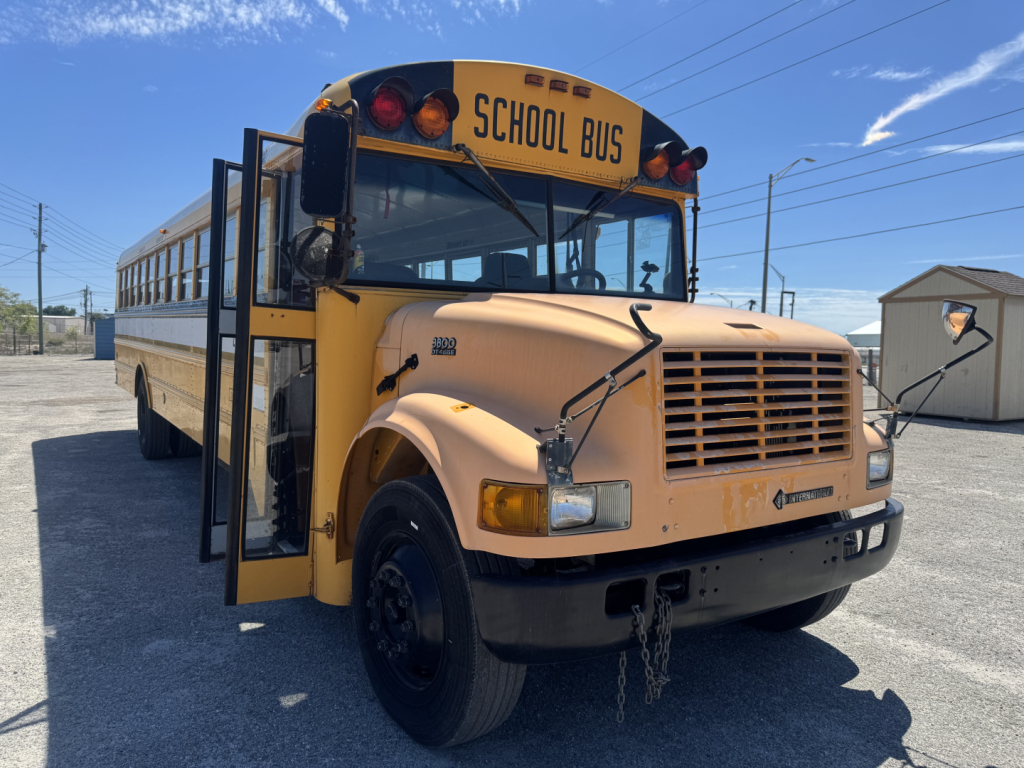
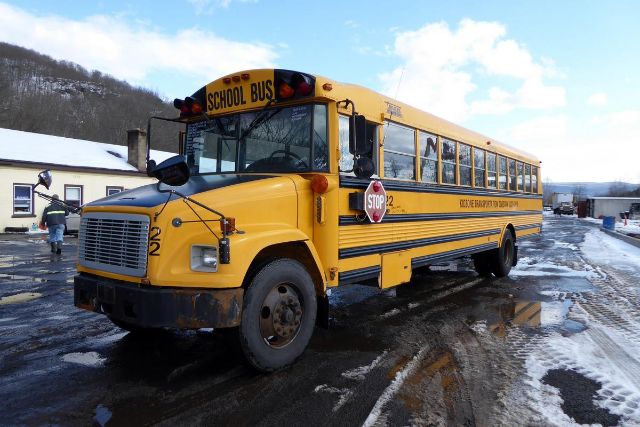
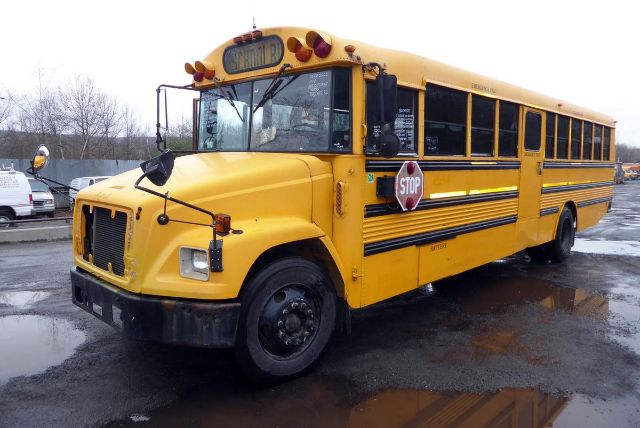
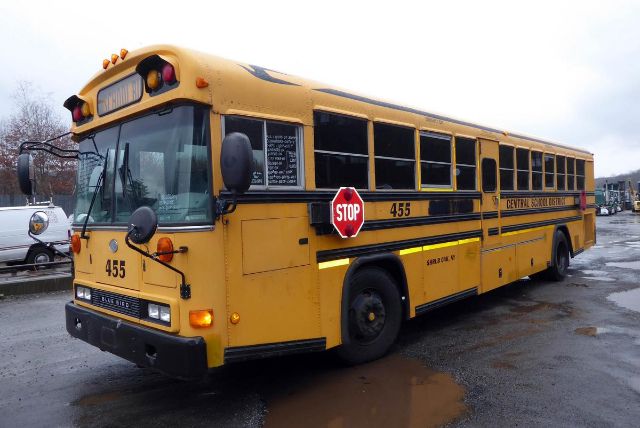
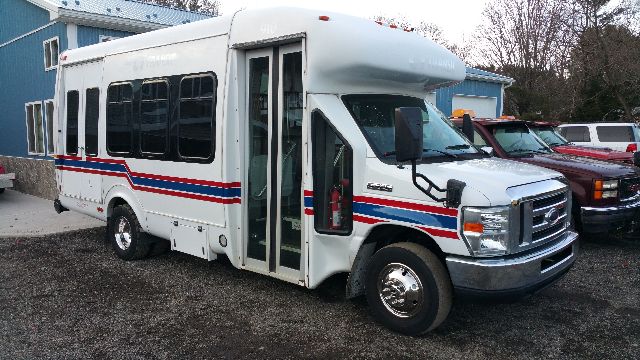
Showing 25 to 30 of 30 results
Have used blue bird bus truck to sell? List it here to reach thousands of buyers.
About Used Blue Bird Bus Trucks
A Blue Bird Vision typically comes on a purpose-built bus chassis with diesel or gasoline power depending on year and spec, paired with an automatic transmission and hydraulic or air brake configuration. Key decisions include seating capacity, wheelbase, GVWR, underbody storage if equipped, and whether the bus was ordered for route density, special-needs service, or mixed-use fleet work. Buyers should look closely at engine hours versus odometer miles, idle time, suspension wear, steering play, roof and window seal condition, and corrosion around stepwells, floor supports, wheel housings, and body mounts. On former school units, warning light systems, stop arm equipment, crossing gates, and state-specific school bus hardware may matter if the bus will remain in pupil transport or need to be removed for private use.
Condition matters more than model year on a used bus. A well-maintained Blue Bird with complete service records, regular brake work, cooling system maintenance, and clean electrical repairs can outperform a newer unit with deferred upkeep. Check for evidence of overheating, injector or emissions-system work, transmission shift quality, front axle wear, and signs of water intrusion around rub rails or roof seams. Interior inspection should include seat frame condition, heater operation, driver controls, dash warning lights, wheelchair lift function if equipped, and the general state of the flooring and subfloor. If the bus is being purchased for conversion, confirm interior height, side and rear door layout, window configuration, and the feasibility of removing school bus equipment to meet local registration and titling rules.
Blue Bird buses are widely recognized for durable body construction and strong market familiarity, which helps when sourcing replacement glass, body panels, electrical components, and service information. The best unit for your operation usually comes down to route type, passenger count, emissions complexity, and how much reconditioning you are prepared to do after purchase. A buyer comparing used Blue Bird buses should focus on service history, rust exposure, drivetrain spec, and body integrity first, then match the bus to its intended duty cycle.
Frequently Asked Questions
What should I inspect first on a used Blue Bird bus?
Start with structural condition, drivetrain health, and maintenance history. On a used Blue Bird bus, pay close attention to underbody rust, stepwell corrosion, floor supports, roof seams, body mounts, suspension wear, brake condition, and any evidence of water intrusion. Then review engine performance, transmission operation, cooling system service, and electrical functionality, especially on buses that spent years in stop-and-go route service.
Are Blue Bird Vision buses good for fleet service and resale?
Blue Bird Vision buses are widely used in school and municipal fleets, which makes them familiar to technicians and relatively straightforward to support. Their conventional front-engine layout helps with engine access and routine service, and the brand has strong recognition in the used market. Resale value depends heavily on rust, service records, emissions condition, mileage, and whether the bus was maintained on a documented preventive schedule.
What is the difference between buying a former school bus for continued transport versus conversion use?
A bus staying in passenger or pupil transport should be evaluated for seating condition, safety equipment, brake compliance, heater performance, and any state-specific school bus requirements. A bus intended for conversion should be evaluated more for structural integrity, interior dimensions, door layout, window placement, electrical capacity, and the cost to remove or modify school bus equipment. Registration, titling, and equipment removal rules vary by state, so those compliance details should be confirmed before purchase.
Do used Blue Bird buses commonly have diesel engines?
Many used Blue Bird buses were built with diesel engines, but gasoline-powered units are also found depending on year and fleet specification. The right choice depends on your maintenance capabilities, annual mileage, emissions tolerance, and operating environment. Buyers should verify the exact engine model, emissions equipment, transmission pairing, and service history rather than assuming all buses from a given model line are equipped the same way.
How important are mileage and engine hours on a used bus?
Both matter, but they need to be interpreted together. A school bus may show moderate mileage yet still have high engine hours because of idling, frequent stops, and accessory use during route duty. High hours can affect wear on the engine, cooling system, and transmission even when miles look reasonable. For that reason, buyers should compare miles, hours, maintenance records, and the overall physical condition of the bus before judging value.