
Bucket Trucks For Sale in Texas

Have bucket truck to sell? List it here to reach thousands of buyers.
Bucket Trucks in Texas
Frequently Asked Questions about Bucket Trucks in Texas
What should I look at first when comparing bucket trucks?
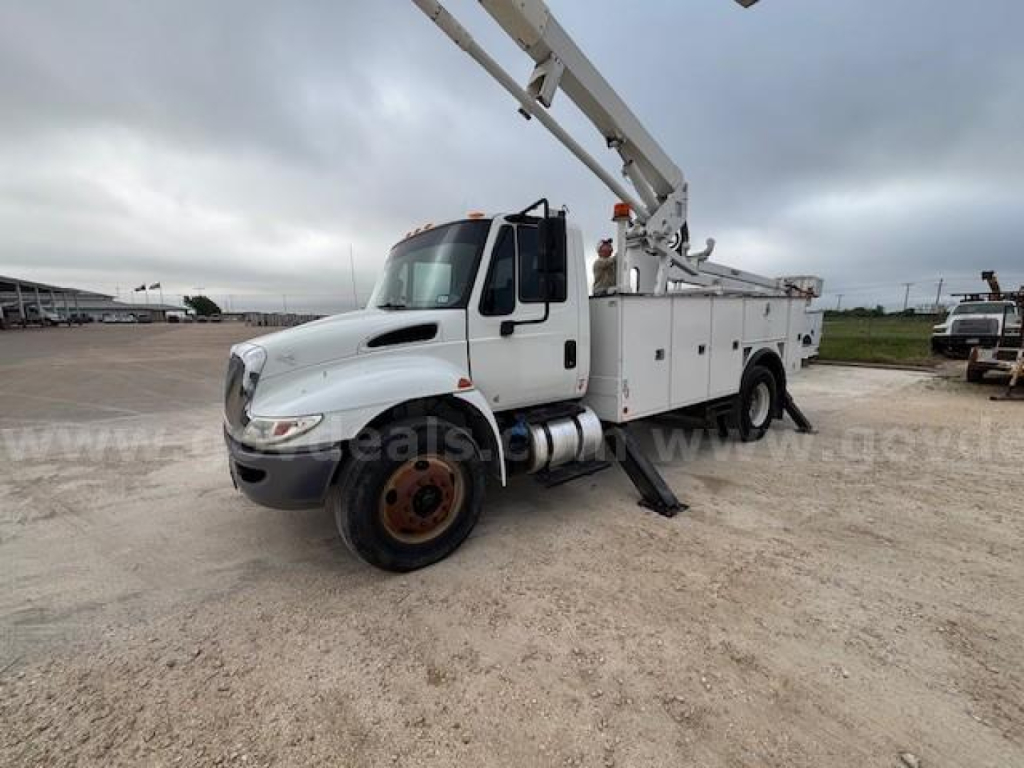
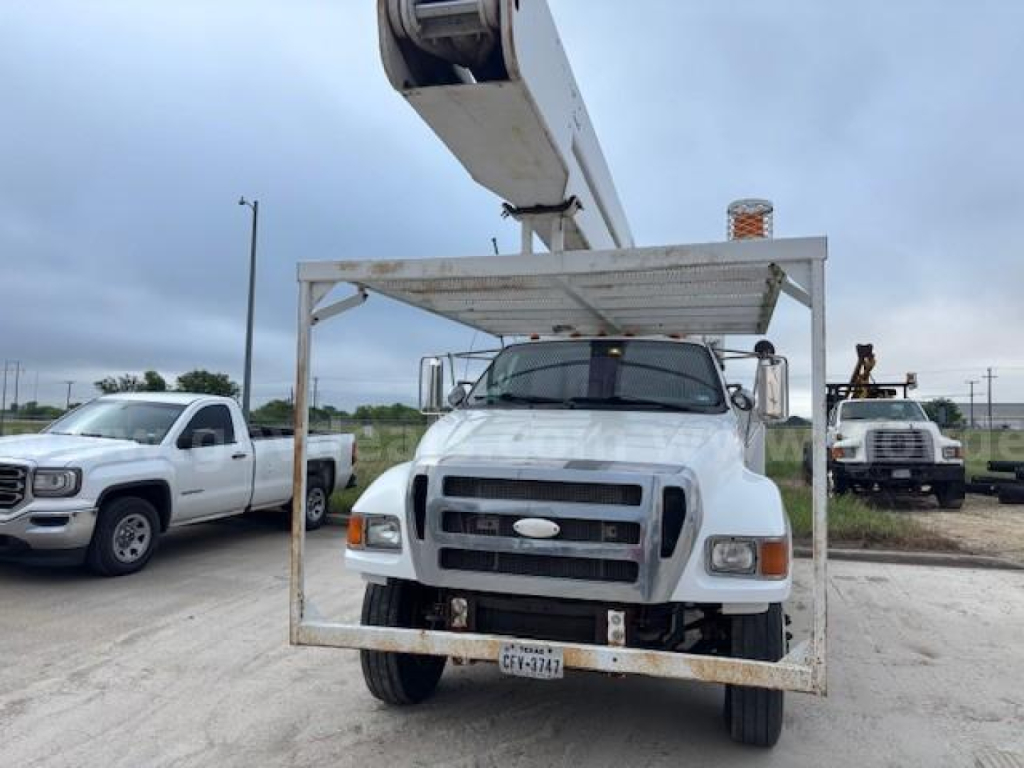
Start with working height, side reach, boom style, and chassis GVWR. Those four items tell you most of what the truck can actually do in the field. A buyer should also confirm whether the unit has a material handler, what the platform capacity is, how the outriggers are configured, and whether the body has the storage and payload needed for tools, hardware, reels, or traffic equipment. The best bucket truck is not simply the tallest one. It is the unit whose aerial device, body, and chassis are properly matched to the daily job.
What is the difference between an articulating and a telescopic bucket truck?
An articulating boom uses multiple pivot points to work up and over obstacles, which makes it useful around trees, signs, streetlights, and congested utility corridors. A telescopic boom extends in a straighter line and is often preferred when direct horizontal reach is more important. Some trucks combine both functions in an articulating-telescopic design. Buyers should compare not just maximum height, but also effective side reach at working load, because that has a major impact on productivity.
Are insulated bucket trucks necessary for all applications?
No. Insulation matters mainly when the truck is intended for energized utility work or operations near electrical conductors where dielectric protection is required. For sign service, lighting maintenance, forestry, and general municipal work, a non-insulated boom may be appropriate if the application does not involve live-line exposure. Buyers should verify the insulation rating, test history, and compliance requirements for their operation before making a decision. An insulated boom that is out of test does not provide the same practical value as one with current documentation.
Why does chassis choice matter so much on a bucket truck?
The aerial device adds substantial weight high on the frame, and the body often carries compressors, generators, tools, cones, and job materials. That makes GVWR, wheelbase, axle ratings, and suspension design more important than on a basic straight truck. A properly spec'd chassis supports the boom, maintains stability when outriggers are deployed, and leaves enough legal payload for the crew's equipment. Engine and transmission selection also matter in Texas because long drive distances, high ambient temperatures, and PTO-dependent hydraulic work put steady demand on the truck.
What Texas buyers should consider for bucket truck applications?
Texas fleets often need a balance of road speed, dependable cooling performance, and stable setup on mixed job sites ranging from urban streets to rural shoulders. Heat, long idle time, and repeated PTO use can expose weak hydraulic, electrical, and cooling systems faster than lighter-duty service conditions. Buyers should pay close attention to outrigger condition, boom wear pads, hydraulic leaks, lower and upper controls, and service records for both the truck and the aerial device. In many cases, a well-maintained medium-duty bucket truck with the right reach and body configuration will outperform a larger unit that is harder to maneuver and more expensive to operate.