
2007 Bucket Trucks For Sale
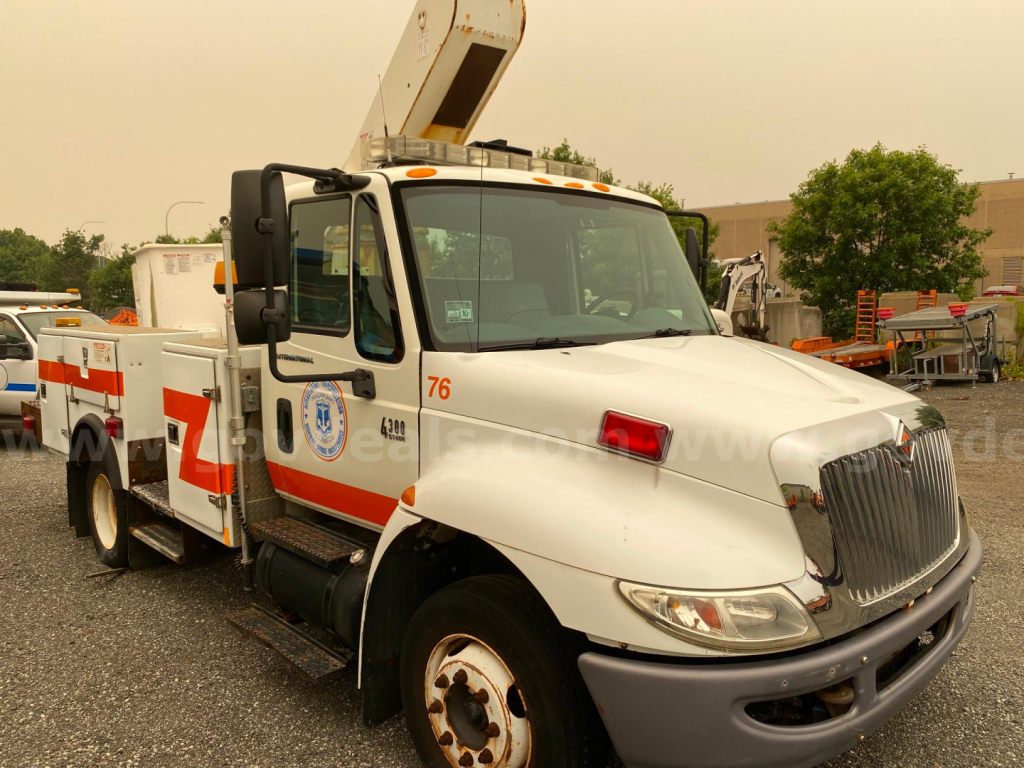

Have 2007 bucket truck to sell? List it here to reach thousands of buyers.
2007 Bucket Trucks
The chassis matters as much as the boom. Many 2007 bucket trucks were built on Class 5 through Class 7 platforms, so GVWR, axle ratings, wheelbase, and body style directly affect payload, maneuverability, and licensing requirements. A smaller F-550 or similar chassis is often used for municipal lighting, sign service, and general contractor work where tighter streets and lower operating costs matter. Medium-duty models such as Freightliner M2, FL-series, or International trucks are more common in utility, traffic signal, and tree service applications where a larger service body, heavier outriggers, or taller boom is needed. Utility bodies with compartment storage, PTO-driven hydraulic systems, and rear or corner-mounted outriggers are standard features buyers should review closely.
On a 2007 model, condition assessment is critical because the value is tied heavily to the aerial device, not just the truck. Buyers should check annual dielectric test records on insulated booms, structural inspection history, hydraulic leaks, turret rotation function, lower and upper controls, emergency lowering systems, and the condition of the basket, subframe, and outriggers. Rust in service body floors, outrigger boxes, and frame areas is common on older units, especially in northern climates. Engine hours, PTO operation, transmission performance, and boom function under load all tell more than odometer miles alone. If the truck will be used for line work or utility-spec applications, confirm insulation category, chipper or pintle hitch provisions, and any required compliance documentation before purchase.
A well-matched 2007 bucket truck still fits a wide range of work including street light maintenance, electrical contracting, telecom installation, sign service, arborist support, and municipal fleet use. The best buying decision usually comes down to matching the boom geometry and body layout to the actual jobsite. A compact 37-foot unit behaves very differently from a 50-foot-plus articulated material handler, even if both are called bucket trucks. Buyers comparing listings should pay close attention to platform height versus working height, side reach at rated load, outrigger footprint, CDL threshold, and whether the truck is insulated, articulated, telescopic, or a combination boom design.
Frequently Asked Questions about 2007 Bucket Trucks
What should I inspect first on a 2007 bucket truck?
Start with the aerial device records and functional condition. A 2007 bucket truck should be evaluated for boom inspections, dielectric testing if insulated, hydraulic leaks, upper and lower control operation, outrigger function, turret rotation, and emergency descent systems. After that, inspect the chassis for engine performance, PTO engagement, transmission condition, frame corrosion, service body rust, and signs of structural repairs around the subframe or boom mount.
What is the difference between platform height and working height on a bucket truck?
Platform height is the height of the bucket floor from the ground, while working height is a marketing figure that usually adds about 5 to 6 feet to represent an operator's reachable height. A truck listed with a 37-foot platform height may be advertised around 42 to 43 feet of working height. Buyers should compare listings using platform height when possible because it is the more precise equipment specification.
Are 2007 bucket trucks typically insulated?
Some are insulated and some are not. Insulated units are common in electric utility and line-clearance applications, while non-insulated units are often used for signs, lighting, telecom, and general maintenance. On an older truck, insulation should never be assumed based on appearance alone. Buyers need to verify the boom rating, liner condition, and dielectric test history if the application involves energized work or utility standards.
What chassis size is most common for a 2007 bucket truck?
2007 bucket trucks are commonly found on Class 5, Class 6, and Class 7 chassis. Smaller chassis are usually selected for easier maneuvering and lower gross weight in city work, while medium-duty chassis support taller booms, larger utility bodies, and heavier outrigger systems. The right choice depends on required working height, storage needs, road conditions, and whether CDL regulations apply to the finished truck.
Can a 2007 bucket truck still be a good fleet purchase?
Yes, if the aerial lift has been properly inspected and the chassis has solid service history. Many older bucket trucks stay productive in municipal, contractor, and specialty service roles because annual miles are often low compared with highway trucks. The deciding factors are maintenance records, structural condition, boom operation, and whether the truck's reach, capacity, and body configuration still match the intended work.