
Commercial Trucks For Sale Near Buchanan, Georgia
Have commercial truck to sell? List it here to reach thousands of buyers.
Commercial Trucks Near Buchanan, Georgia
For over-the-road and regional freight, conventional day cabs and raised-roof sleepers are built around fuel efficiency, drivability, and payload-friendly spec choices. Common setups in this class include diesel engines in the DD13 to DD15 range, 12-speed automated manual transmissions, and rear axle ratings around 40,000 pounds. Buyers should pay close attention to wheelbase, fuel capacity, sleeper size, and safety technology such as collision mitigation systems. A 72-inch sleeper with dual beds and an APU supports longer runs and reduced idle time, while a shorter wheelbase day cab is easier to maneuver in tight yards, customer docks, and short-haul lanes.
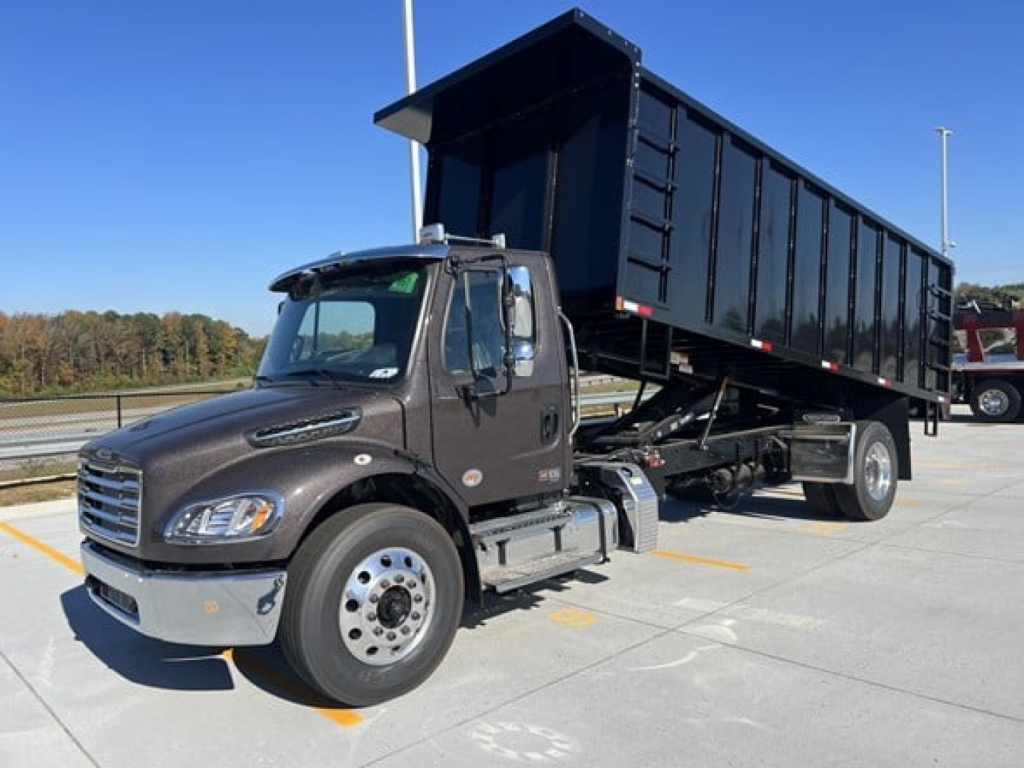
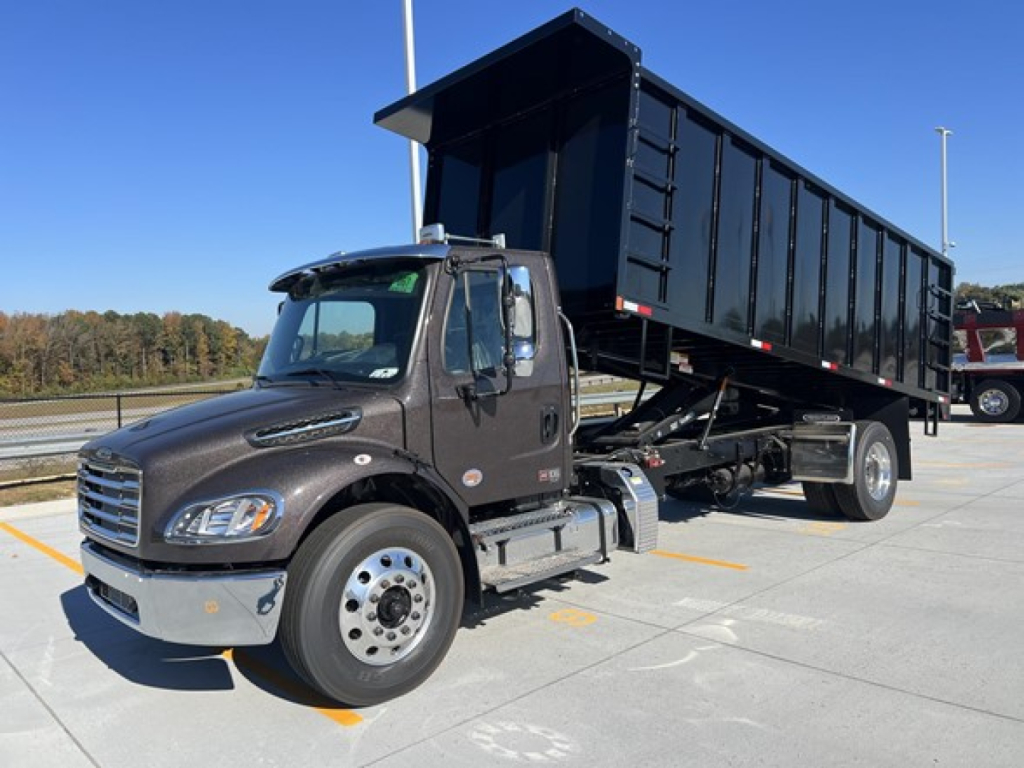
Vocational trucks, especially dump trucks, need a different evaluation. A dump truck, also known as a dump body truck, is typically spec'd for jobsite durability, PTO operation, and legal weight distribution under demanding conditions. Key factors include front axle capacity, rear suspension type, body composition, transmission durability, and gross vehicle weight rating. Many buyers prefer automatic or Allison automatic transmissions for stop-and-go work, off-road access, and easier driver training. Spring suspension, 20,000-pound front axles, 44,000-pound rears, and steel dump bodies are common on heavy tandem dump specs intended for construction, aggregate, asphalt, and municipal hauling.
A smart truck purchase comes down to total application fit, not just horsepower. In Buchanan and the surrounding Georgia market, terrain, route length, off-road exposure, and permitting all influence spec choices. Highway buyers often focus on aerodynamics, sleeper comfort, and maintenance intervals, while vocational buyers look harder at frame strength, body material, and axle loading. Reviewing the intended payload, trailer type, turning radius, and service access will usually tell you faster than the badge on the hood whether a truck is correctly spec'd for the work ahead.
Frequently Asked Questions about Commercial Trucks Near Buchanan, Georgia
What is the difference between a day cab, sleeper truck, and dump truck?
A day cab is a highway tractor without a sleeping compartment, typically used for local and regional hauling. A sleeper truck includes a built-in bunk area for over-the-road work and longer dispatch cycles. A dump truck is a vocational truck equipped with a dump body for hauling and unloading materials like gravel, dirt, asphalt, or demolition debris. The chassis, suspension, axle ratings, and transmission choices are usually much different between these truck types because each is designed around a specific job.
What specs matter most when buying a Class 8 truck?
The most important specs are engine horsepower and torque, transmission type, axle configuration, suspension, wheelbase, and front and rear axle ratings. For tractors, buyers should also check fuel capacity, fifth wheel type, sleeper configuration, and safety systems. For dump trucks, body material, PTO compatibility, front axle capacity, and gross vehicle weight rating are critical. These specs determine how the truck handles payload, route conditions, maneuverability, and long-term operating cost.
Is an automated manual transmission better than a full automatic for truck use?
It depends on the application. An automated manual transmission is common in highway tractors because it improves fuel economy, reduces driver fatigue, and keeps a direct mechanical driveline connection. A full automatic is often preferred in dump trucks and other vocational units because it performs well in stop-and-go traffic, soft ground, and frequent starts under load. Buyers should match the transmission to the duty cycle rather than assuming one style is best for every truck.
Why do axle ratings matter so much on dump trucks?
Axle ratings determine how much weight the truck can legally and safely carry and how that weight is distributed across the chassis. Dump trucks often need heavier front axles because the load shifts during loading, hauling, and dumping, especially with dense materials. A common heavy tandem dump setup may use a 20,000-pound front axle and 44,000-pound rear axles, but the right combination depends on body size, material type, and state bridge and registration rules. Buying the wrong axle spec can limit payload or create compliance problems.
How do I choose the right wheelbase for a truck?
Wheelbase affects maneuverability, ride quality, body fitment, and weight distribution. A shorter wheelbase is usually better for urban deliveries, tighter job sites, and frequent backing. A longer wheelbase can improve ride stability, allow larger fuel tanks or sleeper configurations, and support certain body or trailer setups. For dump trucks, wheelbase must work with body length and axle placement. For tractors, it should match trailer swing clearance, fifth wheel placement, and the lanes the truck will run.