
Commercial Trucks For Sale Near Brooksville, Florida
Have commercial truck to sell? List it here to reach thousands of buyers.
Commercial Trucks Near Brooksville, Florida
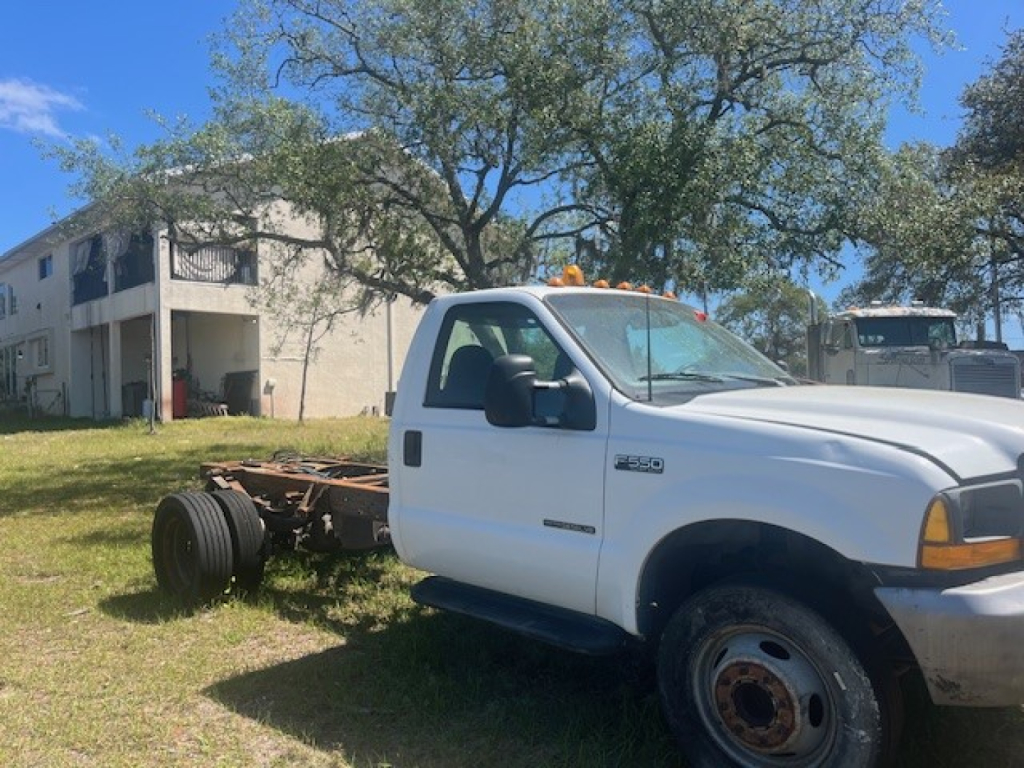
On lighter and medium-duty trucks, key items include GVWR, wheelbase, cab configuration, engine output, transmission type, rear axle ratio, and PTO capability if hydraulic or mechanical equipment will be added. Buyers looking at cab and chassis trucks should confirm frame condition, rust levels, previous body removal, and available clear frame length for the new installation. In Florida, corrosion is often less severe than in northern markets, but coastal exposure can still affect wiring, brake components, and underbody hardware. If the truck will carry tools, tow equipment, or support a contractor body, suspension rating and front axle capacity are worth checking early.
For heavier trucks such as day cabs, the important specs shift toward engine family, horsepower, torque, transmission, axle configuration, wheelbase, and fifth wheel setup. Common considerations include whether the truck has a wet kit or PTO, the condition of the clutch on manual transmissions, and suitability for regional freight, container work, equipment hauling, or local shuttle operations. A truck spec'd for flat Florida terrain may differ from one intended for multi-state operation, so rear end ratio, cruise speed, and cooling system condition should line up with the actual route profile.
Used trucks should be evaluated as working assets, not just as low-price entries. Service history, engine hours, rebuild documentation, tire age, brake wear, frame integrity, and signs of hard vocational use all affect long-term cost. It also helps to verify title status, emissions compliance where required, and whether the truck has the right mounting, electrical, and hydraulic provisions for its next assignment. The best truck in this category is the one with a specification that fits the work without forcing expensive reconfiguration after purchase.
Frequently Asked Questions about Commercial Trucks Near Brooksville, Florida
What is the difference between a cab and chassis truck and a day cab truck?
A cab and chassis truck is sold with the front cab and an exposed frame so it can be fitted with a body such as a flatbed, utility body, dump body, or service body. A day cab is a Class 8 road tractor without a sleeper, designed to pull semi-trailers for local or regional work. The right choice depends on whether the truck will carry its workload on the frame or pull it behind the truck.
What specs matter most when buying a used work truck?
The most important specs are GVWR, wheelbase, axle ratings, engine and transmission pairing, PTO availability, and frame length for the intended body or equipment. Buyers should also inspect frame condition, rust, suspension wear, brake life, tire age, and any signs of prior overloading. A truck with the right mechanical condition but the wrong chassis dimensions can become expensive to repurpose.
Is a manual transmission still a good choice in a used commercial truck?
A manual transmission can still be a strong choice for buyers who want lower acquisition cost, direct driver control, and simpler serviceability in certain applications. It is common in older day cabs and vocational trucks, especially where PTO use or driver preference matters. The key is to check clutch condition, shift quality, transmission model support, and whether the driver pool can operate it consistently.
What should Florida buyers inspect on used trucks?
Florida buyers should still inspect for corrosion, especially on trucks exposed to coastal air, but they also need to look closely at cooling systems, air conditioning operation, sun-related interior wear, and electrical condition. Heat and humidity can be hard on wiring, seals, hoses, and cab interiors. If the truck will stay in local service, it should be spec'd for stop-and-go operation and strong cooling performance.
How do I know if a truck can handle a new body or vocational upfit?
Start with the truck's GVWR, front and rear axle ratings, wheelbase, and usable frame space. Then confirm the frame is straight, the mounting area is suitable, and the truck has or can accept the electrical and hydraulic provisions required for the upfit. PTO compatibility, suspension capacity, and local bridge and registration limits should also be reviewed before committing to a body installation.