
Used 2019 Box Trucks For Sale
Shop used 2019 box trucks with common specs, GVWR ranges, box lengths, liftgate options, and buyer tips for delivery and dry freight work.

Showing 29 to 42 of 42 results
Selling a used 2019 box truck? List your used 2019 box truck for sale and reach thousands of commercial buyers.
Used 2019 Box Trucks
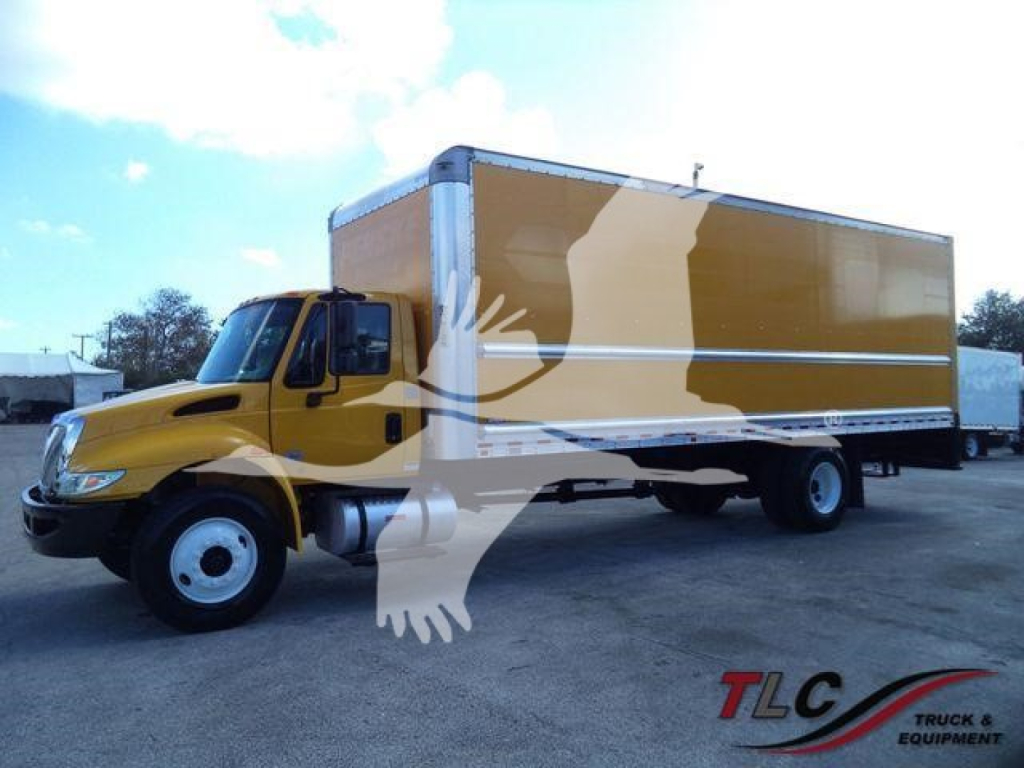
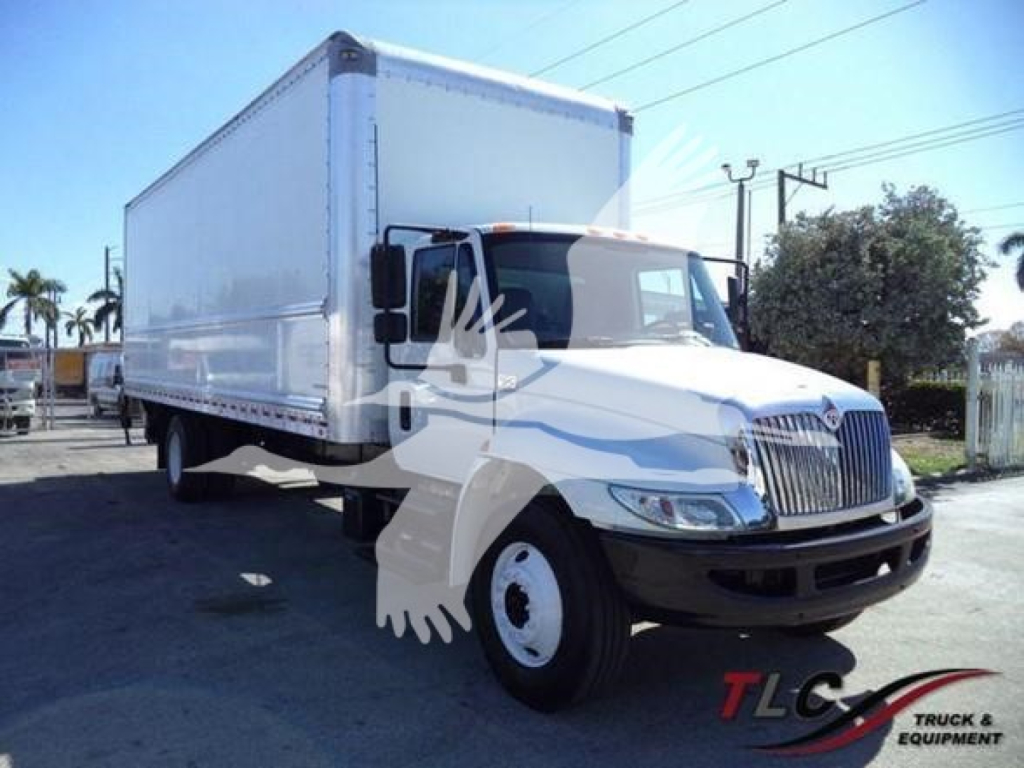
The box body matters as much as the chassis. Dry freight bodies from Morgan, Supreme, Kidron, and similar builders are common, and details like interior height, roll-up rear door condition, scuff liners, E-track, translucent roof, hardwood versus laminated floor, and side access doors all affect daily usability. Liftgate setup is another major decision point. Tuck-under liftgates from Maxon, Waltco, Tommy Gate, and Anthony are common on 2019 trucks used in final-mile service, while some units rely on a pull-out ramp for lighter hand-load routes. If the truck will handle palletized freight, confirm lift capacity, platform dimensions, and cycle condition. On higher-mile trucks, inspect rear frame extensions, body mounts, and floor crossmembers for corrosion, impact damage, or fatigue around liftgate installations.
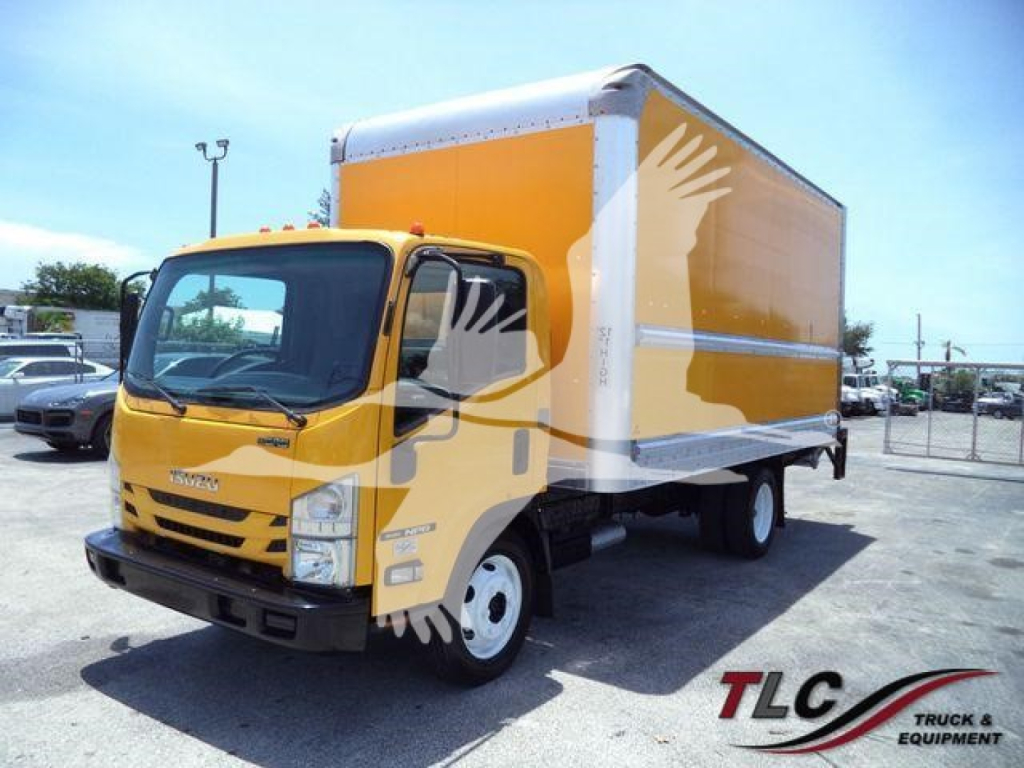
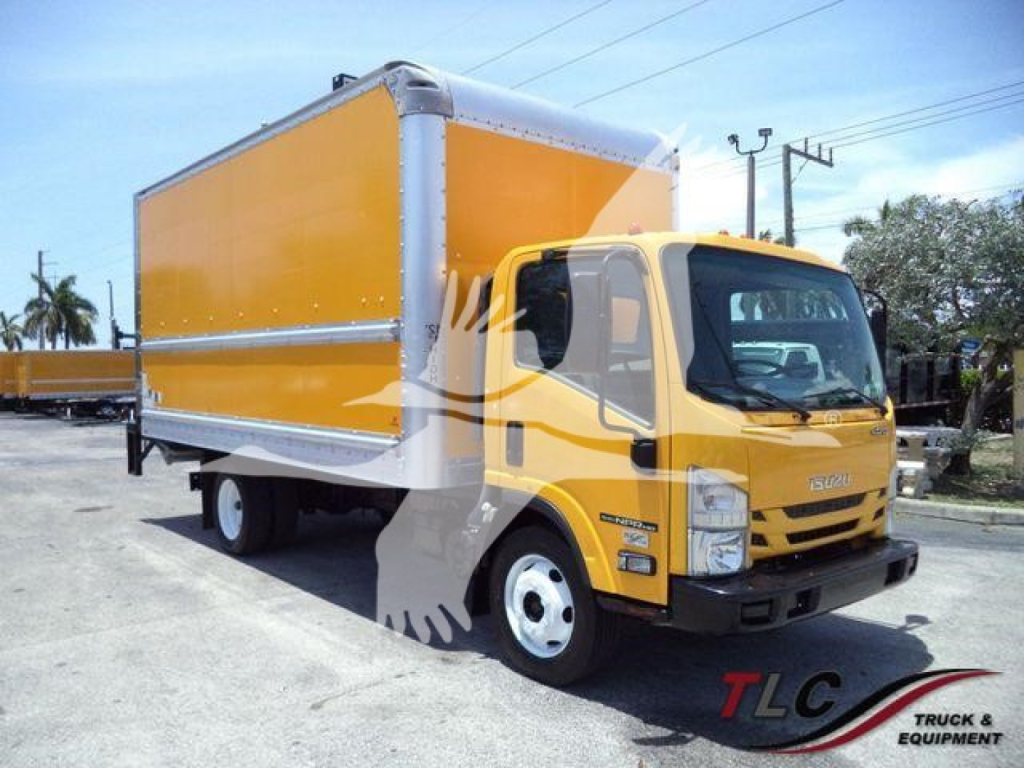
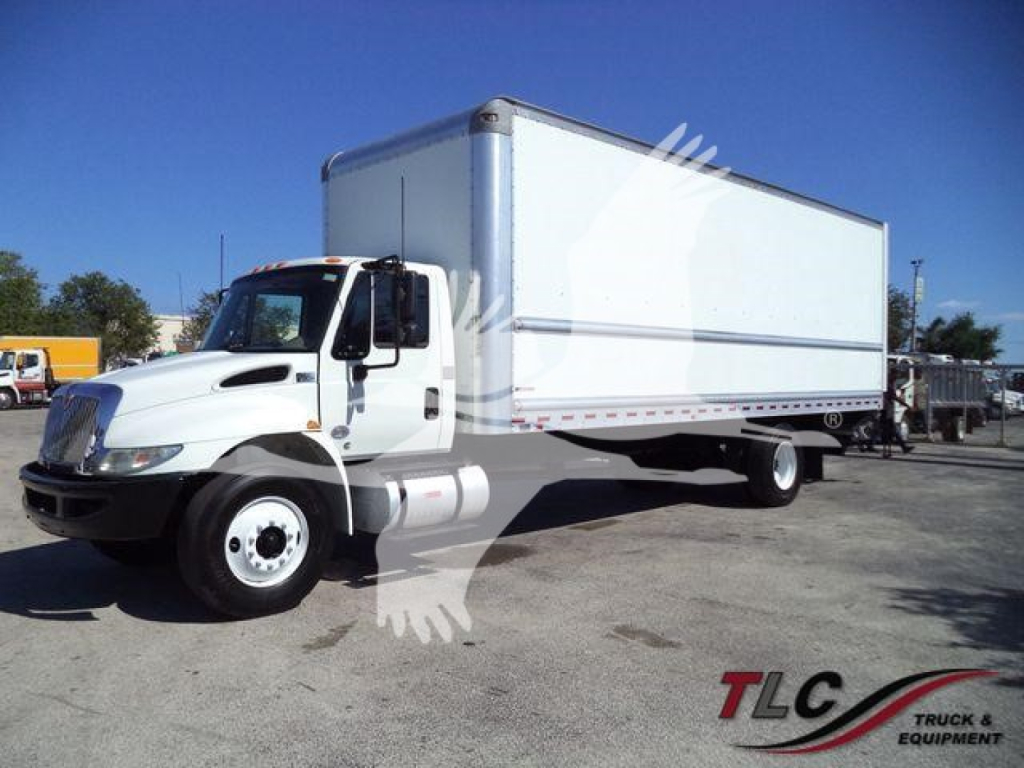
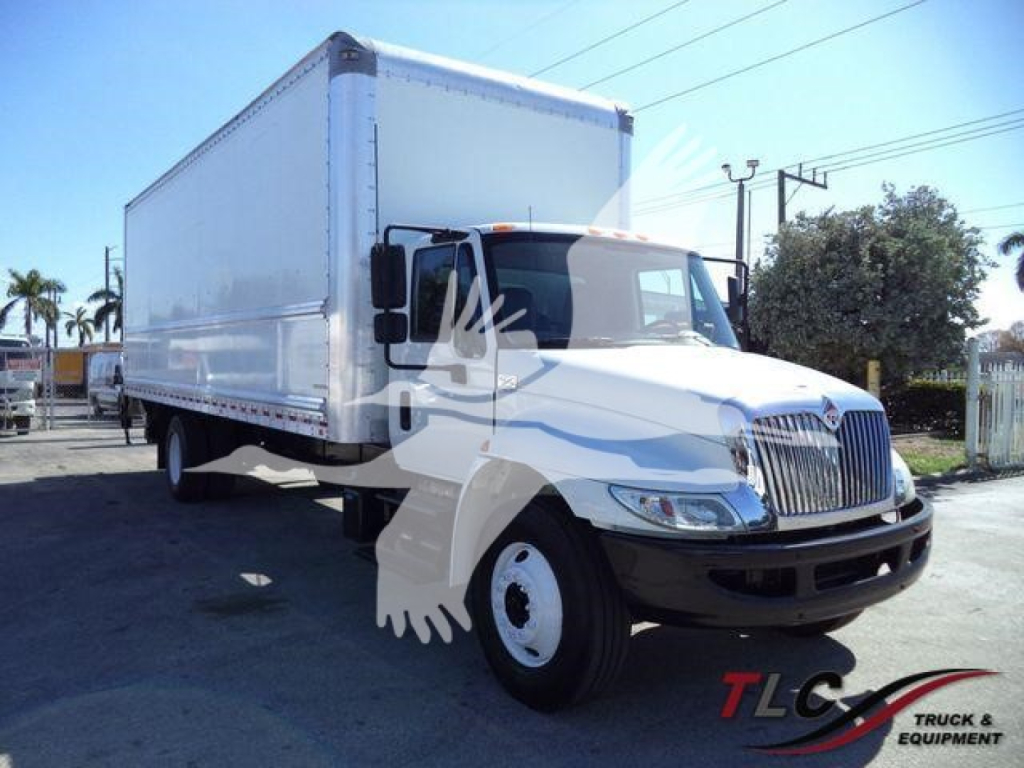
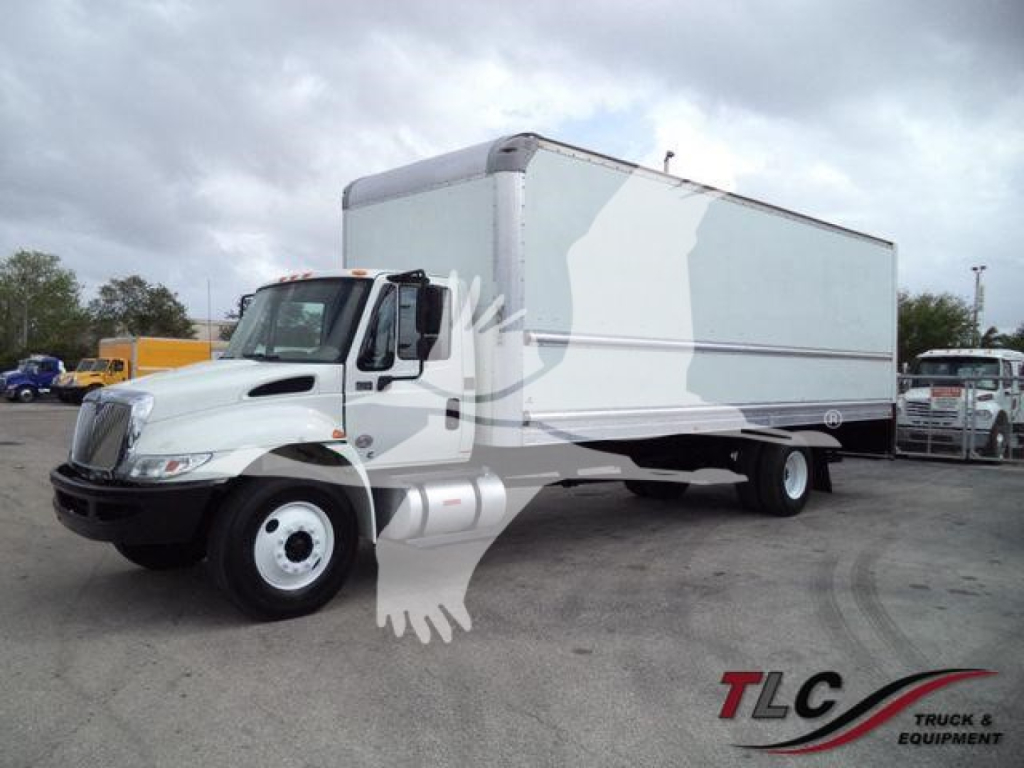
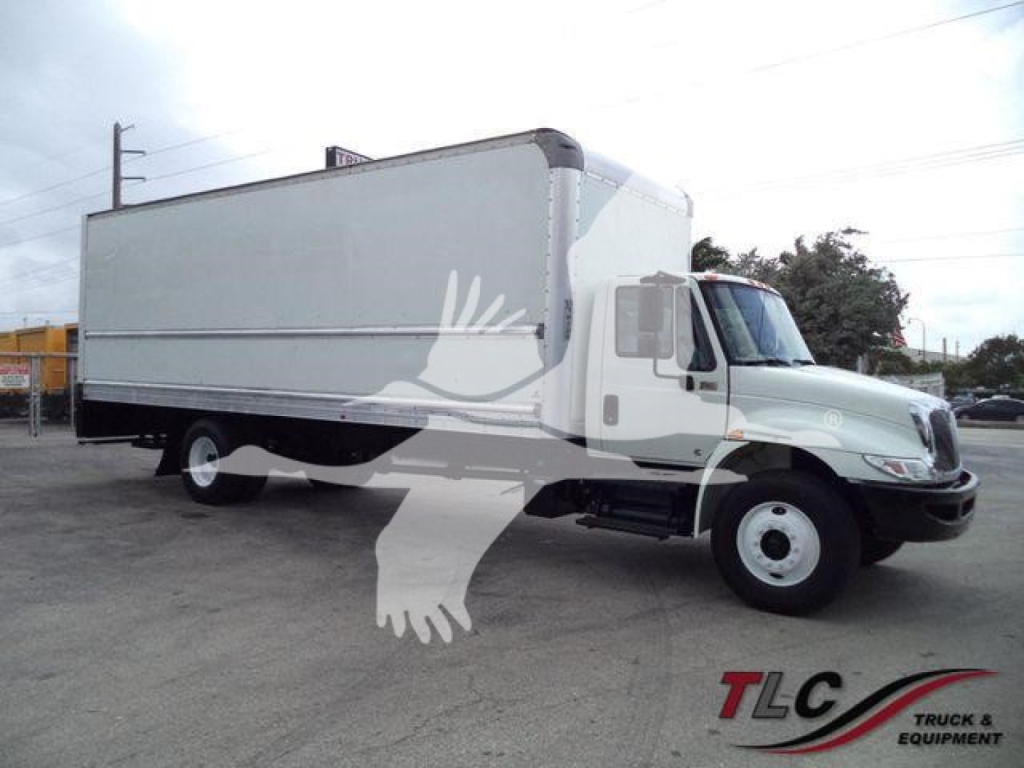
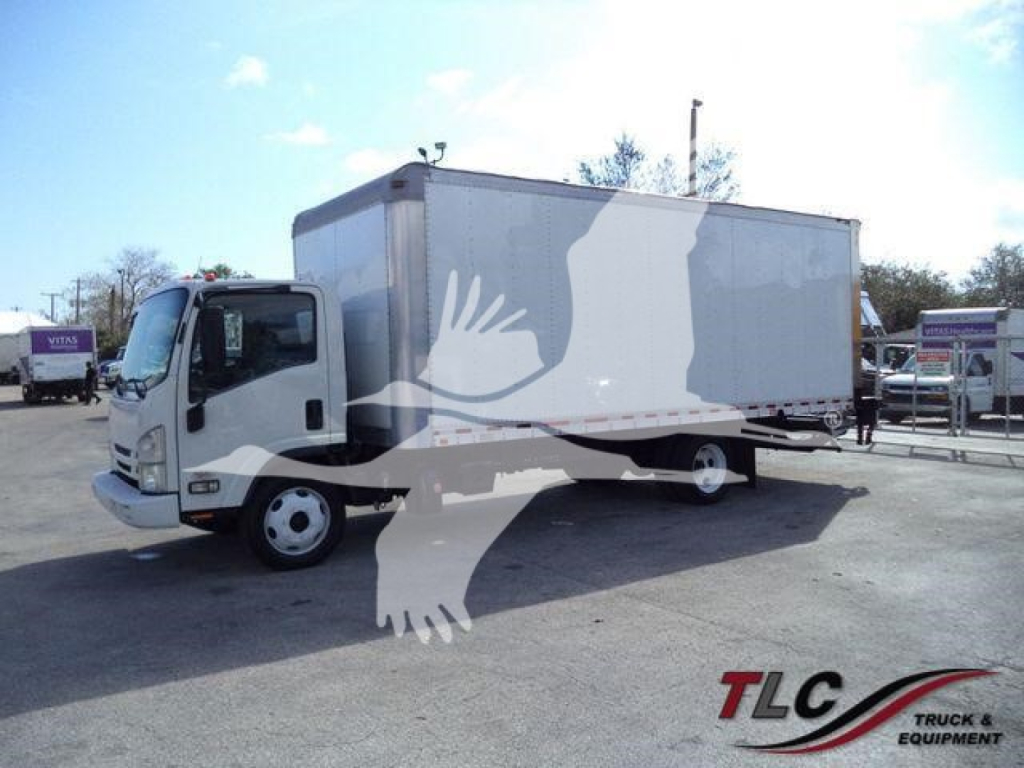
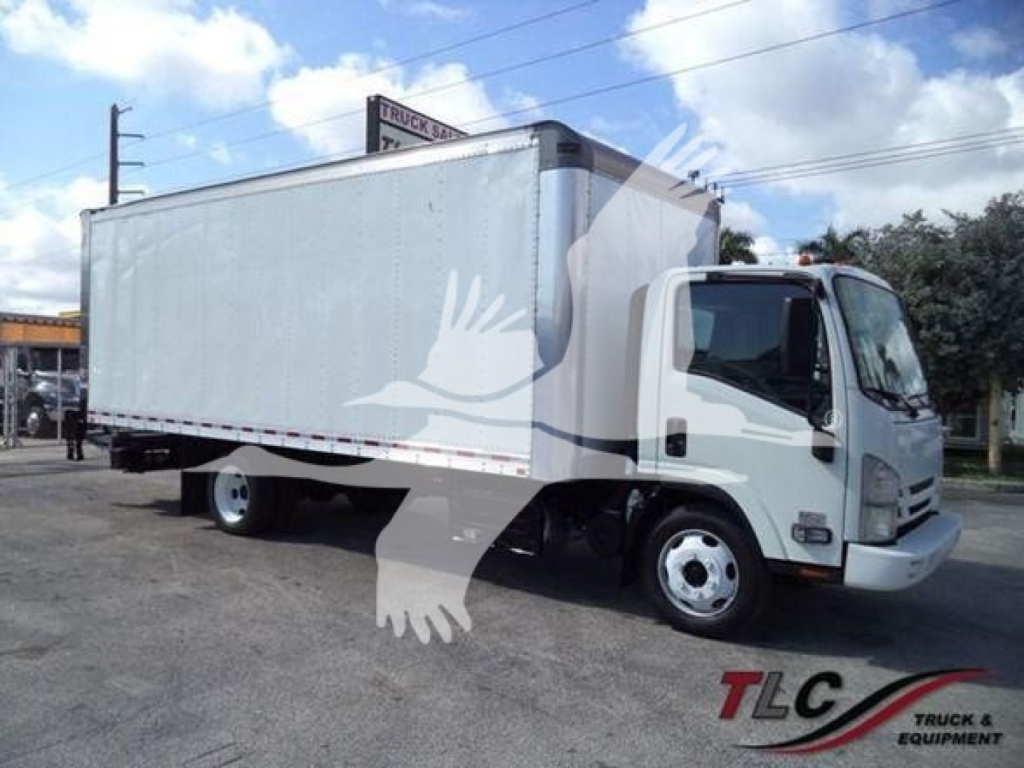
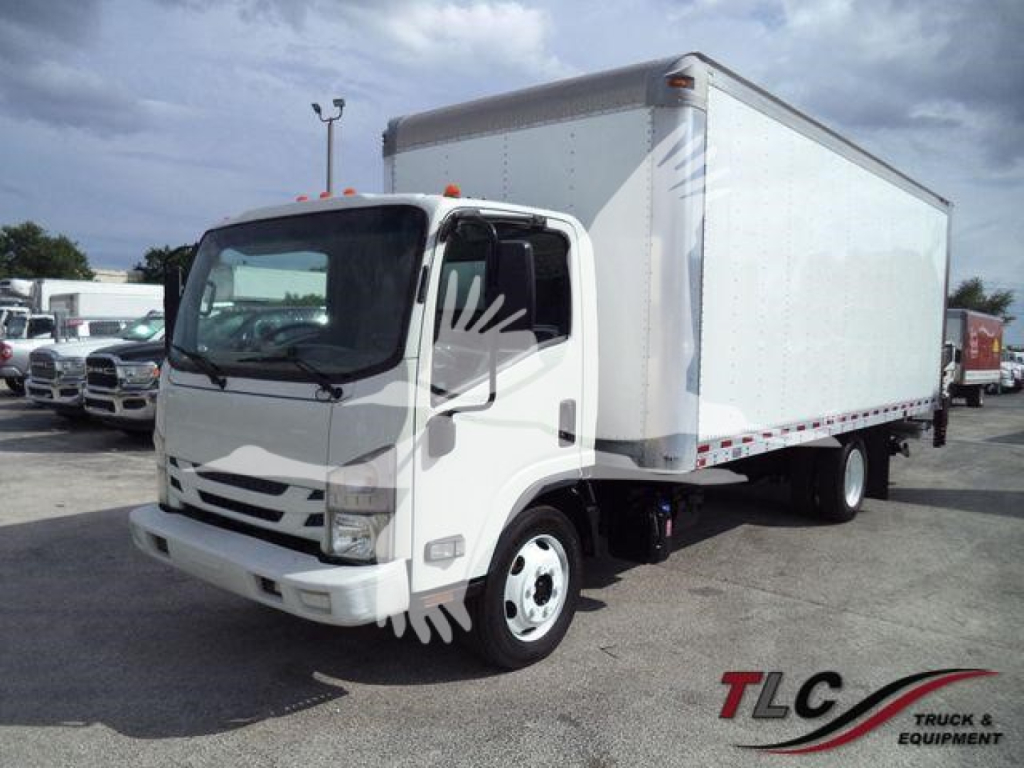
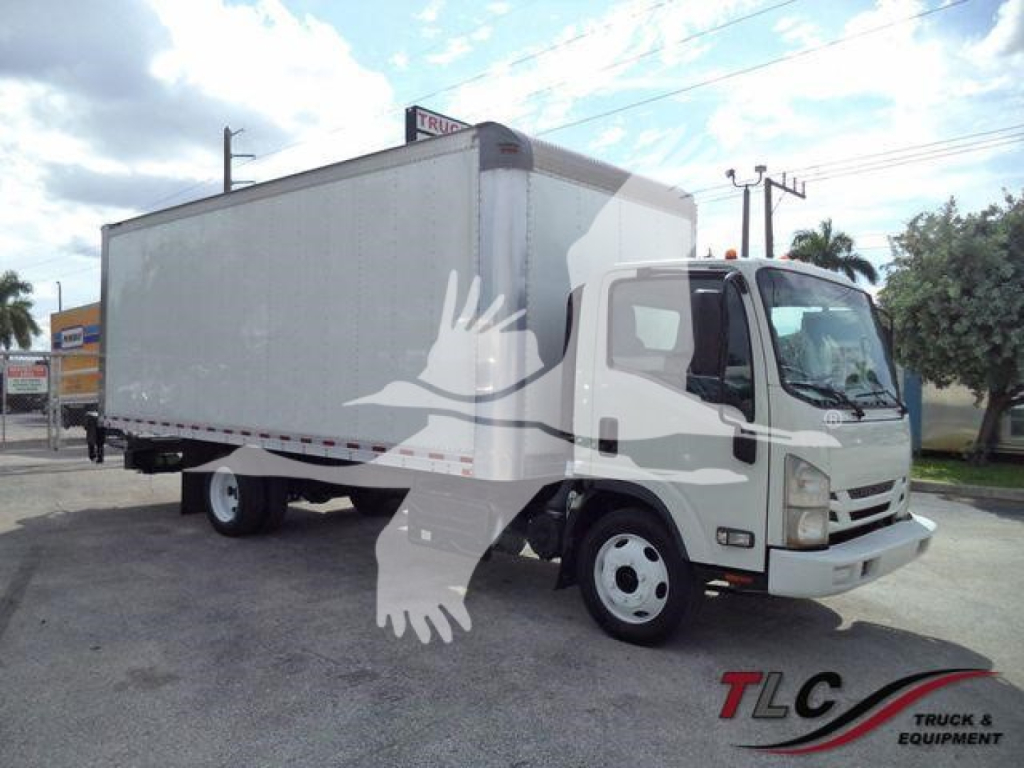
Powertrain choices in used 2019 box trucks typically include gasoline engines on lighter cab chassis and diesel engines on medium-duty routes that need torque and durability. Automatic transmissions dominate this category, which is a plus for multi-driver fleets and urban stop-and-go work. Cabovers like the Isuzu remain popular for tight city maneuverability and easy dock approach, while conventional chassis like the M2 and 4300 generally offer a roomier cab, a more familiar service network for many fleets, and stable highway manners with larger bodies. Air brakes, hydraulic brakes, spring suspension, and air ride suspension all show up in this year range depending on class and application. Tire size, wheelbase, and axle ratio should match the route. A city truck running dense local stops has different needs than a regional furniture or retail delivery truck covering interstate miles.
For a used 2019 box truck, the best value usually comes from matching the truck to the freight first, then narrowing by body spec and chassis. Check door opening height if tall carts or appliances are part of the load. Verify inside cube, not just box length. Review maintenance records for brakes, tires, DEF system service, and transmission history, especially on trucks that spent years in heavy stop-start service. Look at the cargo box for leaks, previous wall repairs, and floor wear from pallet jacks. A well-spec'd 2019 box truck can still be a very productive asset for moving, delivery, contractor supply runs, bakery routes, and general dry freight work, especially when the body configuration, liftgate setup, and GVWR are aligned with the job.
Frequently Asked Questions about Used 2019 Box Trucks
What GVWR is common on a used 2019 box truck?
Used 2019 box trucks cover a wide spread of weight classes. Lighter cabover models are often in the 14,500 to 19,500 GVWR range, while larger 26-foot medium-duty box trucks are commonly rated around 25,950 GVWR to stay in a non-CDL configuration. The right GVWR depends on payload, body length, liftgate weight, and whether the operation needs to stay under CDL thresholds.
What box length should I look for in a 2019 box truck?
Common body lengths are 16, 20, 24, 26, and 28 feet. Shorter boxes are easier to maneuver in city delivery and service work, while 24- to 26-foot bodies are popular for moving, appliances, and general dry freight. A buyer should confirm usable cargo space by checking interior dimensions, wheel well intrusion if applicable, and rear door opening size, not just the advertised box length.
Is a liftgate worth having on a used 2019 box truck?
A liftgate is essential for many final-mile and palletized delivery applications, but it adds weight, maintenance items, and rear overhang considerations. If the route regularly handles heavy freight without dock access, a tuck-under liftgate is usually the better fit than a ramp. Buyers should inspect lift cylinders, platform structure, electrical operation, and the rear frame area where the gate is mounted.
Are cabover or conventional 2019 box trucks better?
Cabover box trucks, such as many Isuzu models, are better suited to tight urban routes because they offer a short overall length and excellent forward visibility. Conventional models like the Freightliner M2 or International 4300 usually provide a larger cab, easier highway driving, and strong medium-duty service support. The better choice depends on route density, driver preference, loading conditions, and body length requirements.
What should I inspect most closely on a used 2019 box truck?
The most important areas are the cargo box, liftgate if equipped, brake system, tires, suspension, and emissions-related service history. Inspect the roof and front nose for leaks, the floor for rot or forklift damage, and the rear door tracks for wear or misalignment. On the chassis side, review maintenance records, check for fault codes, and look closely at signs of hard urban use such as uneven tire wear, body corner damage, and excessive brake or transmission wear.