
Used 2014 Box Trucks For Sale
Shop used 2014 box trucks with common specs, GVWR ranges, body sizes, liftgate options, and buyer tips for delivery and moving work.
Learn more
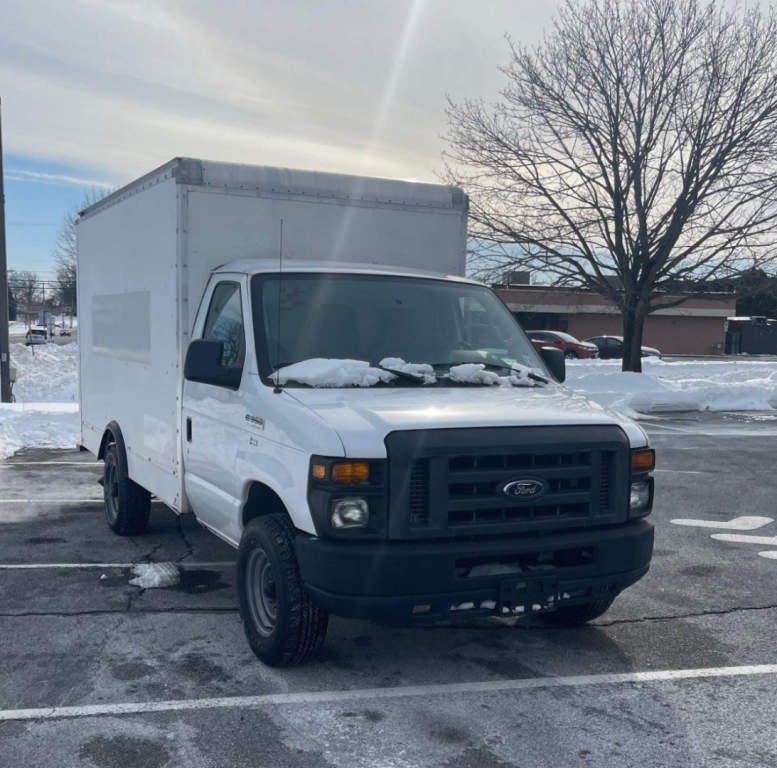
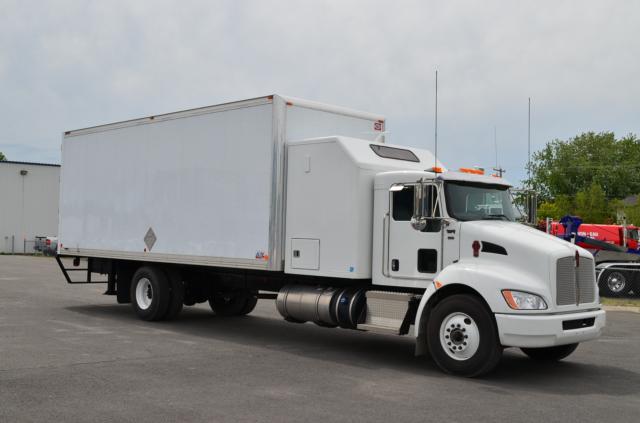
Have used 2014 box truck to sell? List it here to reach thousands of buyers.
About Used 2014 Box Trucks
On 2014 models, buyers will commonly see diesel engines paired with Allison automatic transmissions, though gas-powered units exist in lighter GVWR segments. Typical specs include GVWRs around 12,000 to 26,000 pounds, wheelbases matched to body length, and rear roll-up doors with optional side access. A 16-foot to 20-foot body is common for city delivery and moving work, while 24-foot to 26-foot boxes are more typical when cubic capacity matters more than maneuverability. Liftgates are a major value point if palletized freight, appliances, vending equipment, or curbside delivery are part of the job. Interior shelving, E-track, translucent roofs, scuff liners, hardwood floors, and swing or roll-up side doors can also affect productivity more than headline horsepower.
Condition matters more than brand decals on a used 2014 box truck. Buyers should pay close attention to box integrity, roof leaks, floor wear, door frame damage, and corrosion around the body mounts, liftgate structure, and rear sill. On the chassis side, look at brake type, tire size, spring or air-ride rear suspension, DEF and emissions system service history on diesel units, and signs of hard city use such as excessive idle hours or repeated curb impact. Cab-over trucks offer tighter turning radius and better sightlines in dense urban areas, while conventional-nose chassis can be easier to service and may provide a more familiar driving position for some fleets.
The best 2014 box truck is the one matched tightly to the route and freight profile. A lighter non-CDL setup can make staffing easier and reduce operating complexity, but a higher GVWR truck may deliver better payload and body flexibility for heavier work. Buyers comparing listings should look beyond mileage and focus on axle ratings, body dimensions, door openings, liftgate capacity, maintenance records, and any evidence of prior fleet service. For many operations, a well-kept 2014 box truck still offers strong value because the platform is simple, versatile, and widely supported for parts, body repair, and drivetrain service.
Frequently Asked Questions
What GVWR range is common for a 2014 box truck?
Used 2014 box trucks commonly fall between about 12,000 and 26,000 pounds GVWR, depending on chassis class and body size. Lighter units are often chosen for urban parcel, bakery, and service routes, while trucks closer to 25,999 pounds GVWR are popular for moving, pallet freight, and higher payload applications. The right GVWR depends on cargo weight, body length, and whether staying under CDL thresholds is important for your operation.
What body length is best on a used 2014 box truck?
The best body length depends on freight density and route conditions. A 14-foot to 18-foot box is easier to maneuver in tight city streets, alleys, and residential delivery zones. A 20-foot to 26-foot box gives more cubic capacity for furniture, retail replenishment, and route consolidation, but it can reduce maneuverability and increase the importance of axle placement, wheelbase, and dock access. Buyers should compare internal cube, door opening size, and actual payload, not just advertised body length.
Are diesel or gas engines better in a 2014 box truck?
Diesel is still the more common choice in medium-duty 2014 box trucks because it typically delivers stronger low-end torque, better durability under heavier payloads, and broad service support in commercial applications. Gas engines can make sense in lighter-duty or lower-mileage work because initial cost and some maintenance items may be lower. The better choice depends on annual mileage, average payload, idle time, emissions system condition, and the availability of technicians familiar with the engine platform.
Should I look for a liftgate on a used 2014 box truck?
A liftgate is highly desirable if the truck handles palletized freight, appliances, office equipment, vending machines, or deliveries without dock access. It expands where the truck can work and reduces manual handling, but it also adds weight, maintenance needs, and potential repair cost. Buyers should verify liftgate brand, weight rating, cycle condition, platform dimensions, and hydraulic or electrical operation before treating it as a major value add.
What should I inspect first on a used 2014 box truck?
Start with the cargo body and the maintenance records. Water intrusion, floor rot, damaged scuff liners, misaligned roll-up doors, cracked roof panels, and rust around the rear frame and body mounts can be expensive to correct. After that, inspect tires, brakes, suspension, steering play, transmission behavior, and emissions components on diesel trucks. A clean-looking cab does not tell you much if the box structure, liftgate, or rear frame area has been heavily used or poorly repaired.