
Box Trucks For Sale in Ohio
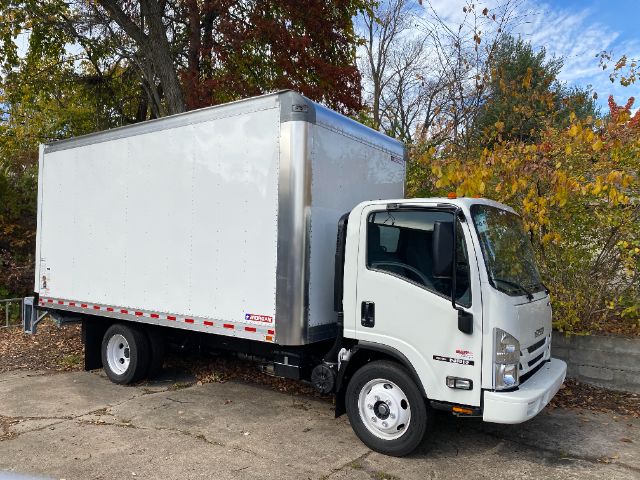
Have box truck to sell? List it here to reach thousands of buyers.
Box Trucks in Ohio
Body configuration matters as much as the chassis. Common box lengths range from about 10 to 26 feet, and body height, door opening dimensions, and floor construction all affect real-world usability. A dry freight body with hardwood floor and scuff liners works well for general cargo, while a refrigerated body is built for perishable freight and temperature-controlled delivery. Many buyers also focus on rear roll-up doors versus swing doors, liftgate capacity, side access doors, E-track, shelving, translucent roof panels, and cargo area lighting. If the truck will be loaded by dock one day and by pallet jack in a parking lot the next, liftgate spec and deck height become especially important.
On the chassis side, buyers typically compare diesel and gas engines, axle ratings, wheelbase, cab-to-axle dimension, and transmission type. Gas-powered cab chassis can make sense for lighter local service with simpler emissions management, while diesel box trucks are still common where higher mileage, stronger torque, and heavier payloads are part of the job. In Ohio, road salt, freeze-thaw cycles, and urban delivery wear make frame condition, cab corners, brake life, suspension wear, and underbody corrosion worth a close inspection. If the truck is under 26,000 GVWR, that can expand the driver pool for non-CDL operations, but payload and body size still need to be matched carefully to the route.
A good box truck purchase comes down to matching body volume, payload, and loading method to the freight you actually move. Buyers should verify the truck's door height, inside cube, rear axle capacity, and any added equipment that changes curb weight, such as liftgates, reefers, or interior shelving. Service history, tire date codes, PTO or auxiliary electrical setup, and signs of prior body damage are all worth checking before purchase. For delivery fleets, moving companies, and trades that need enclosed cargo space with a commercial chassis under it, a box truck remains one of the most versatile truck categories on the market.
Frequently Asked Questions about Box Trucks in Ohio
What is the difference between a box truck and a straight truck?
In most used truck listings, the terms box truck, cube van, and straight truck are used interchangeably. A straight truck means the cab and cargo body are mounted on a single chassis, unlike a tractor and trailer combination. A box truck is simply a straight truck with an enclosed cargo body designed for dry freight, moving, route delivery, or service applications.
What GVWR should I look for in a box truck?
The right GVWR depends on the weight of your freight, the size of the body, and whether you want to stay in a non-CDL configuration. Many buyers target trucks under 26,000 pounds GVWR to avoid CDL requirements for certain operations, but that does not automatically mean better payload. A longer body, liftgate, reefer unit, or heavy shelving package can reduce legal payload quickly, so GVWR should always be compared against actual empty weight and axle ratings.
Is a gas or diesel box truck better for local delivery?
Gas box trucks can be a smart choice for lighter-duty local routes, lower annual mileage, and fleets that want simpler maintenance around modern diesel emissions systems. Diesel box trucks are often preferred for heavier loads, higher mileage, and applications where low-end torque matters. The better choice comes down to route density, idle time, expected payload, maintenance capability, and total operating cost over the life of the truck.
What body features matter most on a used box truck?
The most important body features are the ones that affect loading speed, cargo protection, and repair cost. Buyers should pay close attention to box length, inside height, floor condition, roof leaks, wall integrity, scuff liners, door operation, and liftgate function if equipped. Small details such as E-track placement, side doors, interior shelving, and cargo lighting can have a major impact on daily productivity.
What should buyers inspect on a used box truck in Ohio?
In Ohio, corrosion is a major consideration because of winter road treatment and seasonal moisture. Buyers should inspect the frame rails, crossmembers, brake lines, suspension components, cab mounts, fuel and DEF tank brackets if equipped, and the underside of the body for rust or previous repairs. It is also important to check for water intrusion in the cargo box, uneven tire wear, liftgate operation, and any signs that the body and chassis have been overloaded or used in severe stop-and-go service.