
Box Trucks For Sale in New Mexico
Browse box trucks for sale in New Mexico, including dry van and moving van bodies, common GVWRs, liftgate options, and fleet-ready specs.
Learn more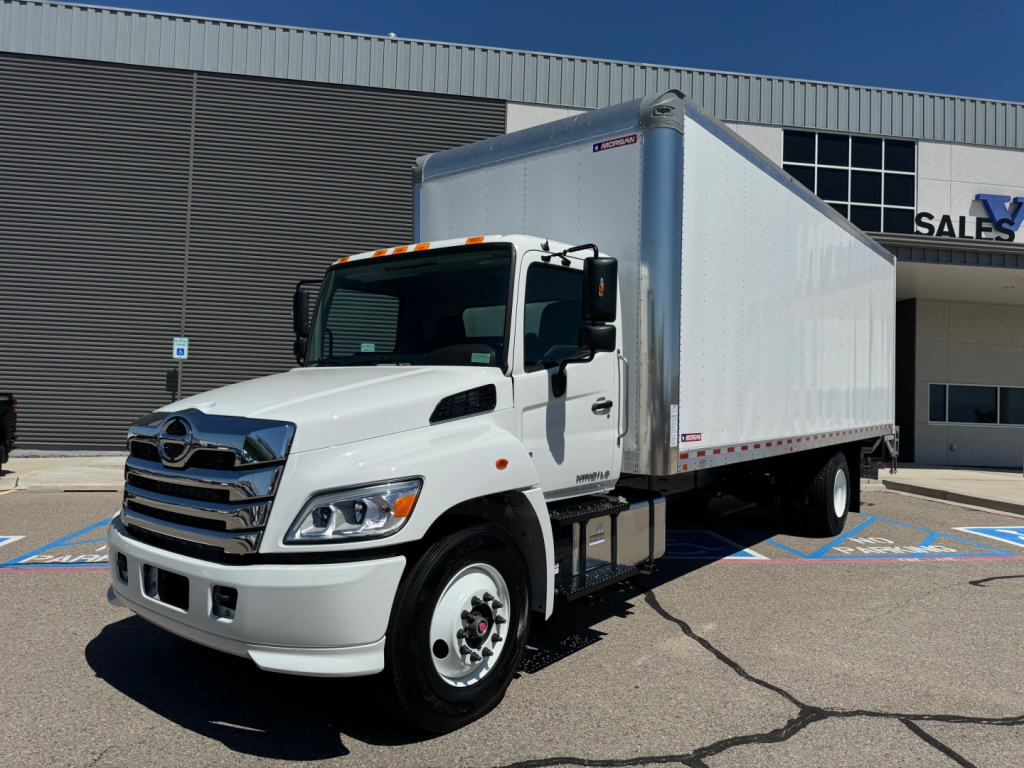
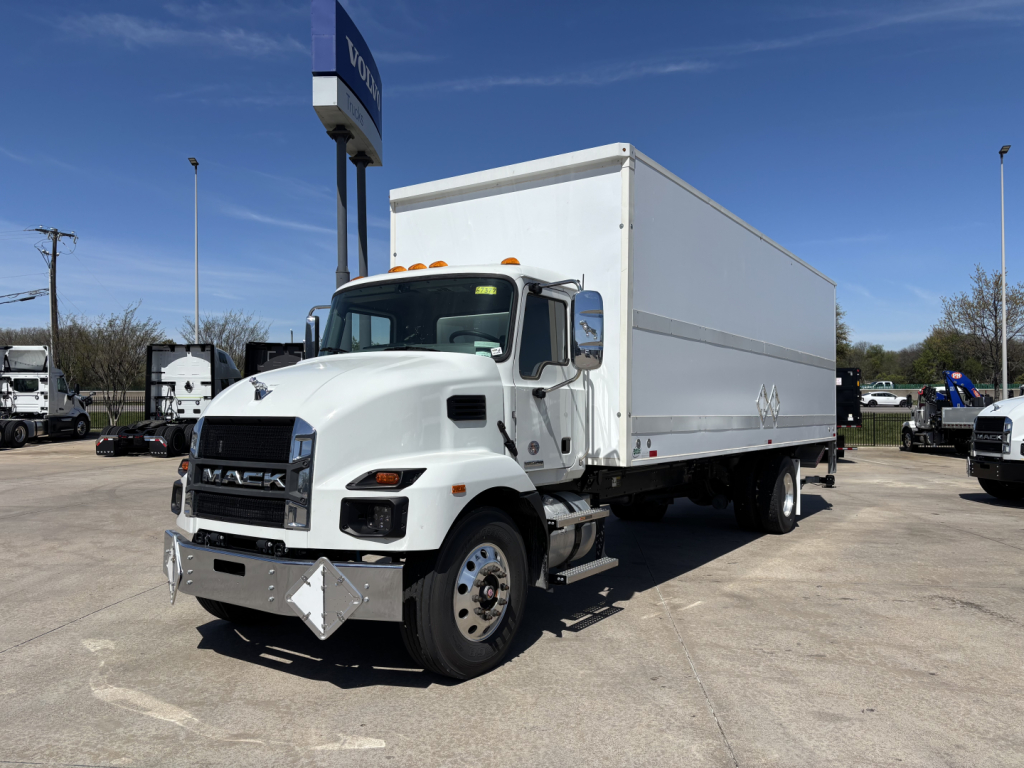
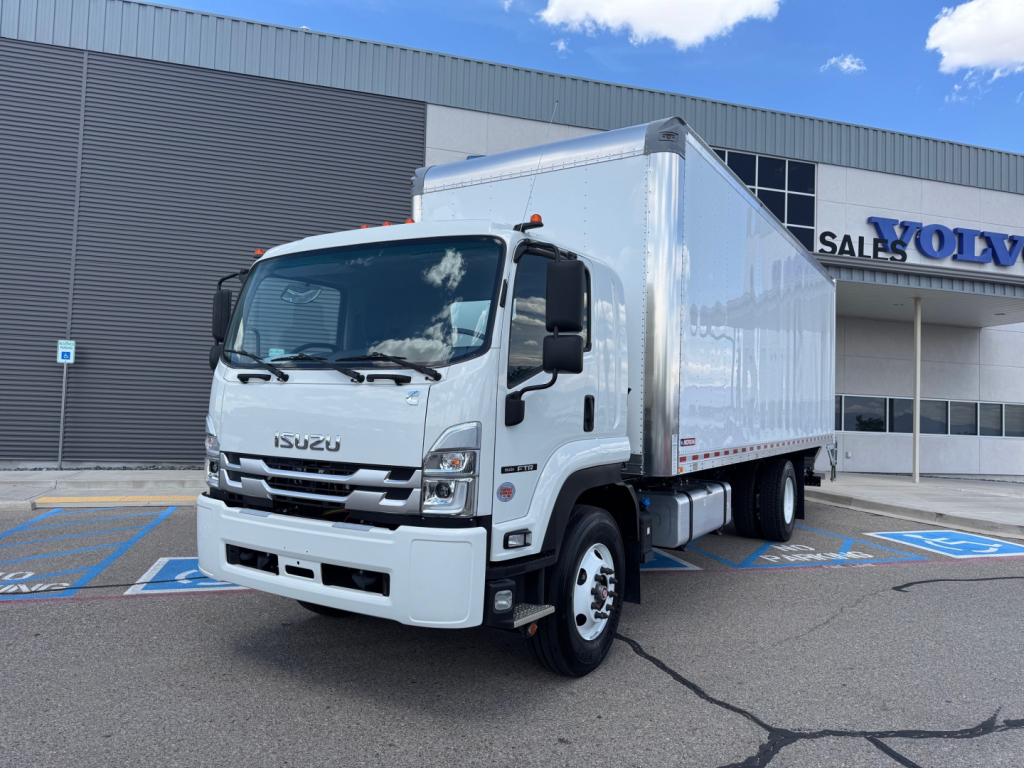
Have box truck to sell? List it here to reach thousands of buyers.
About Box Trucks in New Mexico
Powertrain selection matters because box trucks spend their lives in stop-and-go service, on loading docks, and in mixed city-highway duty cycles. Many late-model units use medium-duty diesel platforms with engines like the Cummins B6.7 or ISB6.7 paired to Allison automatic transmissions such as the 2500 RDS or 2550 RDS. That combination is common because it is well understood in commercial service and works well with frequent starts, PTO-related applications, and driver turnover. Front axle ratings in the 10,000 to 12,000 pound range and rear axles from 17,000 to 19,000 pounds are typical on 26-foot trucks. Buyers should also look closely at wheelbase, rear ratio, and suspension type. Air ride rear suspension can help with cargo protection and ride quality, while leaf spring setups may be preferred for simplicity and lower upfront cost.
The body specification often determines how useful the truck will be on day one. Common dry van features include hardwood floors, scuff liners or scuff boards, translucent roofs, slat lining, E-track, grab handles, and roll-up rear doors. Moving van bodies may add more interior tie-down points and lining to protect furniture, while delivery bodies often include liftgates, forklift package reinforcement, and side access depending on the route. Liftgate capacity and style deserve special attention. Tuck-under gates preserve rear access and are common in urban delivery, but rail gates may be the better fit for heavier palletized freight. Interior width, overall body height, and door opening dimensions should match the cargo profile, not just the gross payload target.
For New Mexico operations, buyers should think about route elevation, heat, and service territory. Trucks working Albuquerque, Santa Fe, Las Cruces, and long regional runs across the state benefit from a cooling package, the right axle ratio for grade changes, and a body spec that balances payload with maneuverability. A 26-foot box truck can maximize cube, but turning radius, dock access, and neighborhood delivery conditions still matter. If the truck will carry mixed freight, look for durable interior wall protection, multiple rows of E-track, and a liftgate sized for the heaviest routine load. The best box truck is usually the one with the right body, door, and payload combination for the route, not simply the highest GVWR on the page.
Frequently Asked Questions
What is the difference between a box truck and a straight truck?
A box truck is a type of straight truck. Straight truck means the cab and cargo body are mounted on a single chassis, unlike a tractor-trailer combination. Box truck usually refers to a straight truck fitted with an enclosed dry van or moving van body. In day-to-day use, many buyers and fleets use the terms interchangeably when talking about enclosed delivery trucks.
What GVWR should I look for in a box truck?
The right GVWR depends on whether CDL requirements, payload, and body size are driving the purchase. Many buyers target 25,999 GVWR to stay in a non-CDL configuration, especially for 24-foot to 26-foot delivery bodies. If payload, liftgate weight, or heavy cargo is more important, a 26,000 to 33,000 GVWR truck may be the better fit. The real decision should be based on expected cargo weight, body spec, driver availability, and local operating requirements.
What body features are most important on a dry van box truck?
The most important features depend on the freight, but several options consistently add value. E-track improves load securement flexibility, scuff liners and scuff boards protect the walls, and a translucent roof improves daytime visibility inside the body. A reinforced floor matters for pallet jack and forklift use, while an overhead roll-up door is standard for dock work. If the truck handles residential or retail delivery, liftgate type and capacity can be just as important as the chassis spec.
Is air ride suspension worth it on a box truck?
Air ride rear suspension can be a strong advantage when the truck carries fragile, high-value, or ride-sensitive freight. It generally improves ride quality, can reduce cargo shock, and is often preferred for furniture, appliances, electronics, and mixed route delivery. Leaf spring suspension is still common and may offer a lower-cost, simpler setup for general freight. The better choice depends on cargo type, maintenance preferences, and how rough the route conditions are.
What should buyers in New Mexico consider when choosing a box truck?
New Mexico buyers should pay close attention to cooling performance, engine and transmission suitability for elevation changes, and body dimensions that fit both urban delivery and longer regional miles. Routes can involve heat, cross-state distance, and grade changes, so axle ratio and horsepower should match the duty cycle. For city work, wheelbase and turning radius are important. For regional freight or moving applications, cargo cube, liftgate spec, and securement equipment usually matter more than chasing the largest possible body.