
Mack Box Trucks For Sale in Washington
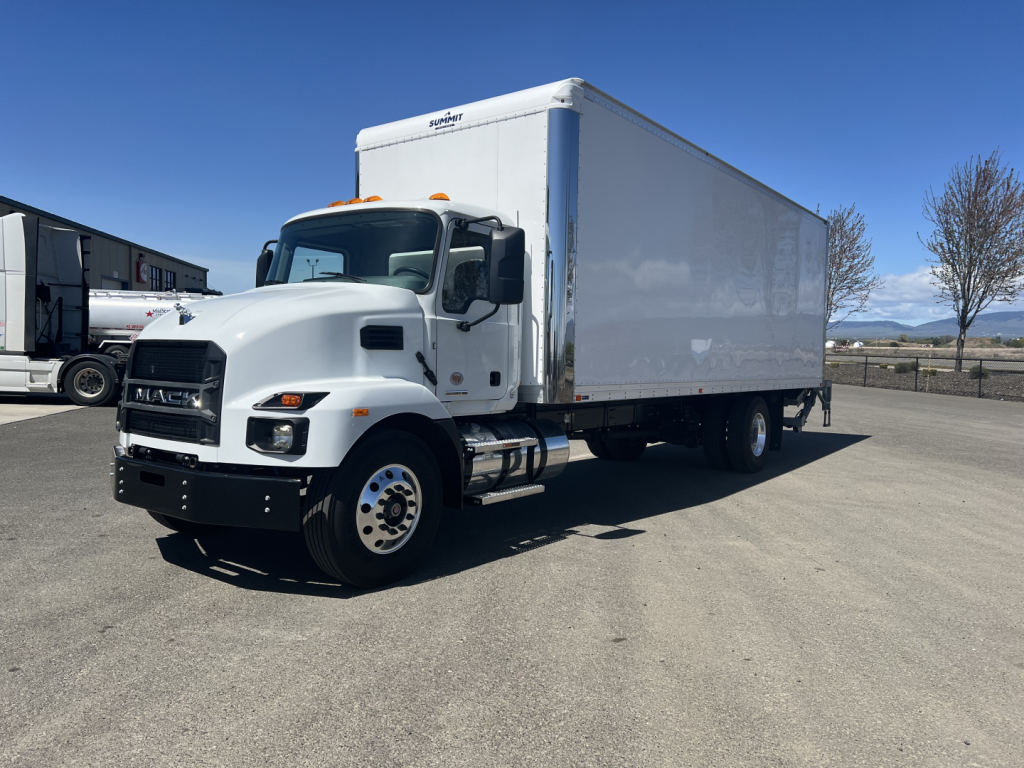
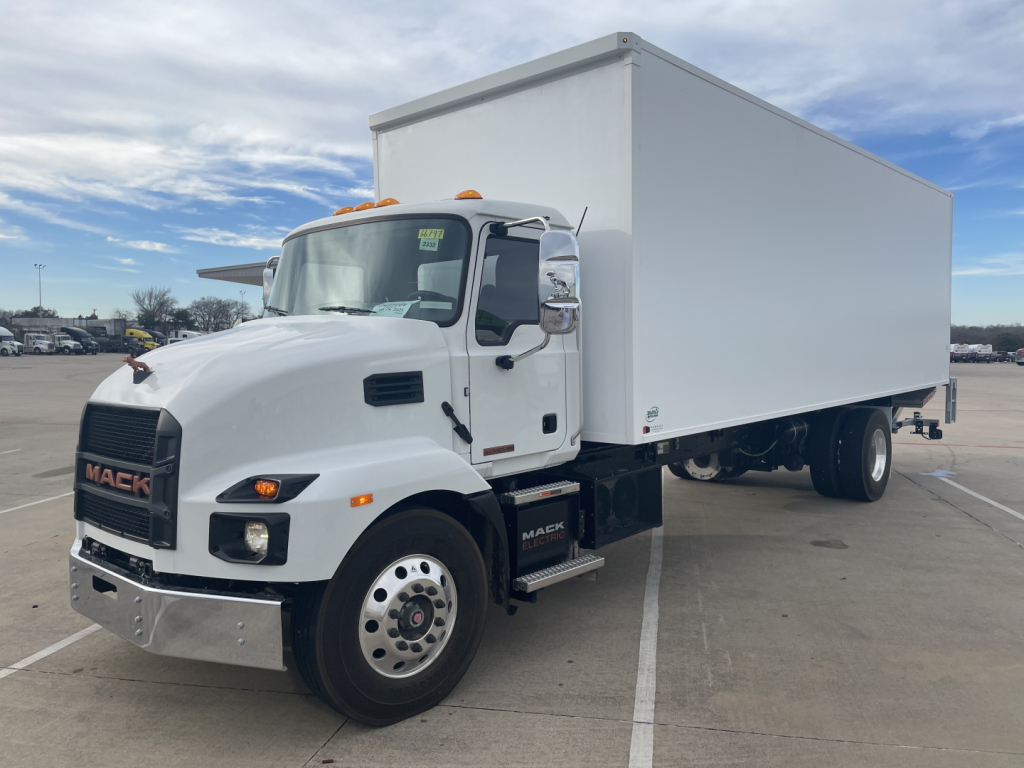
Browse Mack box trucks in Washington with MD6 and MD Electric specs, dry van bodies, liftgates, and medium-duty delivery capability.
Learn more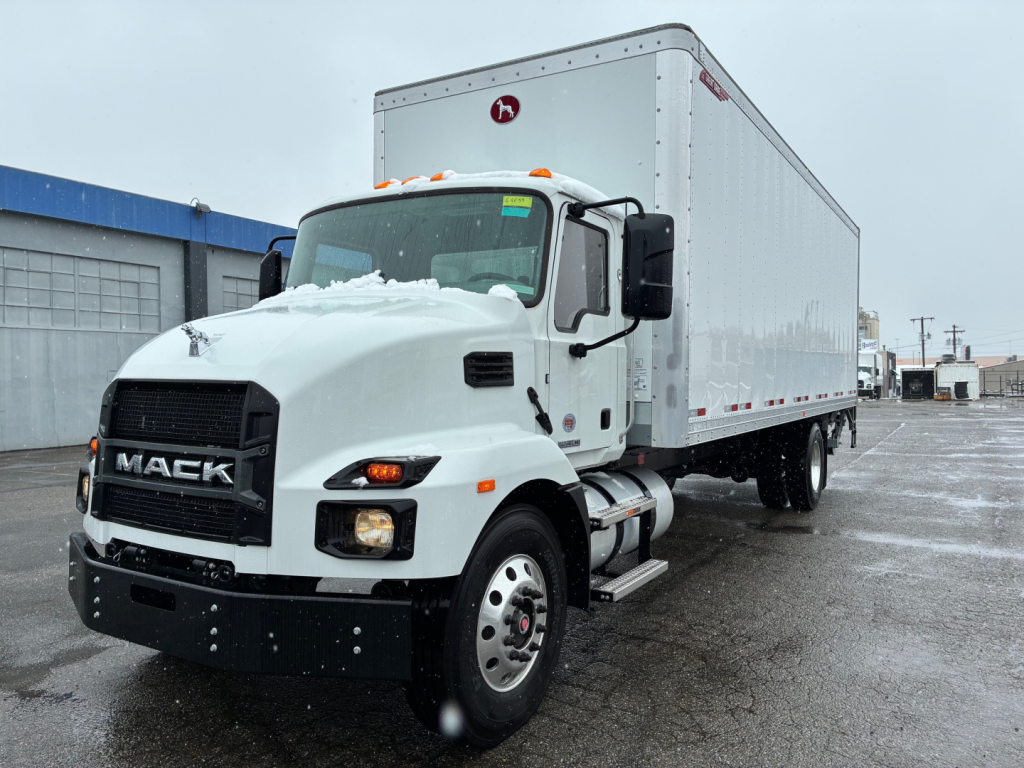
Have mack box truck to sell? List it here to reach thousands of buyers.
About Mack Box Trucks in Washington
One of the first things buyers look at is GVWR and licensing strategy. Mack box trucks in this class are often spec'd near the 26,000-lb non-CDL threshold or slightly above it, depending on body, liftgate, payload target, and axle ratings. That decision affects driver pool, payload margin, and how much flexibility the truck has once freight, pallets, and accessories are added. Common configurations include a Cummins B6.7 or ISB 6.7 diesel paired with an Allison automatic, which is a proven combination for city and regional service. Buyers should also compare wheelbase, rear axle rating, suspension type, rear ratio, and brake spec because those details influence ride quality, dock approach, acceleration under load, and long-term maintenance cost.
The body spec matters just as much as the chassis. Many Mack box trucks are fitted with aluminum or composite dry van bodies, hardwood or laminated floors, scuff liners, E-track, interior dome lights, and reinforced rear frames for forklift traffic. A 3,000-lb class tuckaway or platform liftgate is common when freight is handled without a dock. If the route involves frequent hand unloads, parcel freight, or mixed-stop delivery, pay attention to door opening height, cargo body interior dimensions, liftgate platform size, and how the body is laid out for securement. For operations running heavier carts, pallets, or beverages, rear suspension and floor construction deserve a closer look.
Electric Mack box trucks also deserve consideration for fixed-route urban fleets. The Mack MD Electric brings a different value equation, with quiet operation, regenerative braking, and reduced routine engine-related service compared with diesel units. It is best suited to return-to-base operations where charging access, route length, payload, and dwell time are already understood. For buyers comparing diesel and electric Mack box trucks, the real decision points are daily mileage, charging infrastructure, body weight, and how much of the route is dense city driving versus open regional miles. A well-matched Mack box truck can be a strong platform for final-mile delivery, wholesale distribution, municipal support, and private fleet route work.
Frequently Asked Questions
What are the most common applications for a Mack box truck?
Mack box trucks are commonly used for dry freight delivery, furniture and appliance delivery, wholesale distribution, parcel work, retail replenishment, and regional route service. The straight truck chassis and enclosed cargo body make them a practical choice when freight needs weather protection, frequent stops are involved, and loading may happen at docks or curbside. In medium-duty service, they are especially well suited for palletized freight and final-mile operations.
Is a Mack MD6 box truck available in a non-CDL configuration?
Yes. Many Mack MD6 box trucks are configured at or near the 26,000-lb GVWR threshold to support non-CDL operation, although the exact legal requirement depends on final GVWR and local regulations. Buyers should verify the completed truck rating after the body, liftgate, and accessories are installed because those components affect payload and compliance. A non-CDL setup can widen the driver pool, but it may also reduce payload margin compared with a higher-GVWR truck.
What specs matter most when comparing Mack box trucks?
The most important specs are GVWR, wheelbase, body length, rear axle rating, suspension type, engine and transmission pairing, liftgate capacity, and cargo body construction. On the body side, buyers should check floor material, scuff protection, E-track placement, rear door style, and internal dimensions. These details determine how well the truck fits the freight, the route, and the loading method, and they usually have a bigger impact on day-to-day productivity than cosmetic differences.
Are Mack electric box trucks practical for delivery fleets in Washington?
They can be practical when the operation has predictable daily mileage, overnight charging access, and routes that return to base. Electric box trucks are especially appealing for urban and suburban delivery work because regenerative braking helps in stop-and-go traffic and the quieter operation is an advantage in dense service areas. Buyers should evaluate range in real operating conditions, body weight, charging time, and seasonal effects before deciding between an electric and diesel Mack box truck.
What liftgate size is typical on a Mack box truck?
A 3,000-lb liftgate is a common choice on medium-duty Mack box trucks used for palletized freight and general delivery. That capacity works well for many route applications, but the right liftgate depends on the heaviest routine load, pallet jack use, and the type of stops being made. Platform style, tuckaway design, and deck size should be matched to the freight profile so loading stays efficient and safe.