
Isuzu Box Trucks For Sale in New York
Shop Isuzu box trucks in New York. Compare NPR and NQR models, diesel and gas specs, body lengths, GVWR, liftgates, and delivery use.
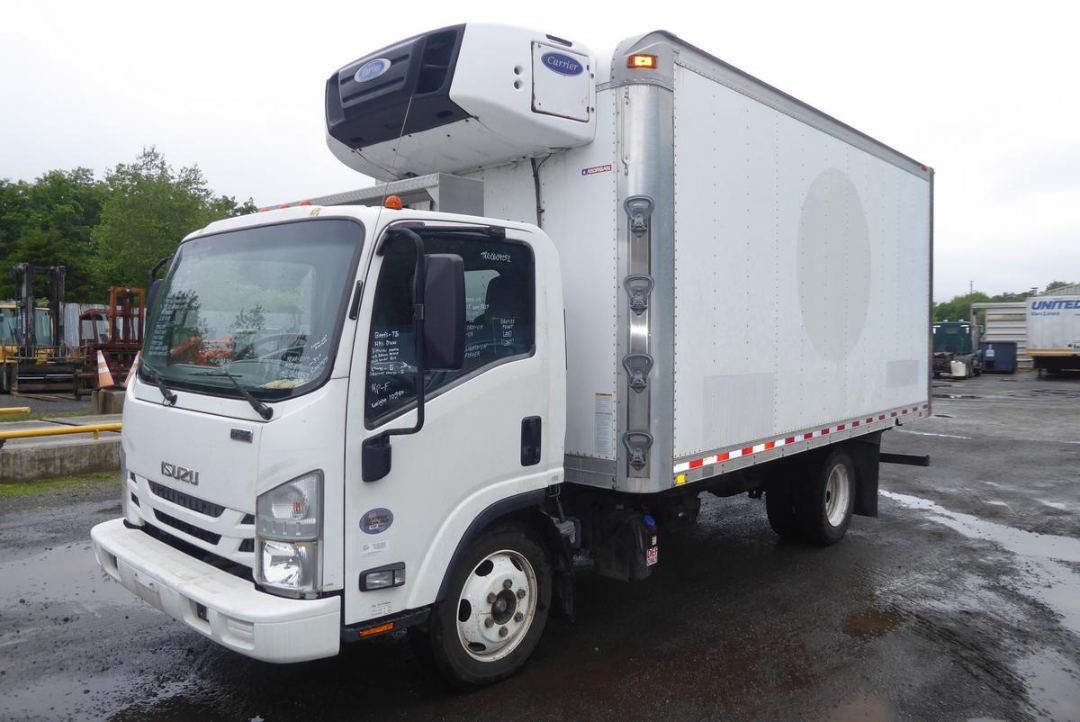
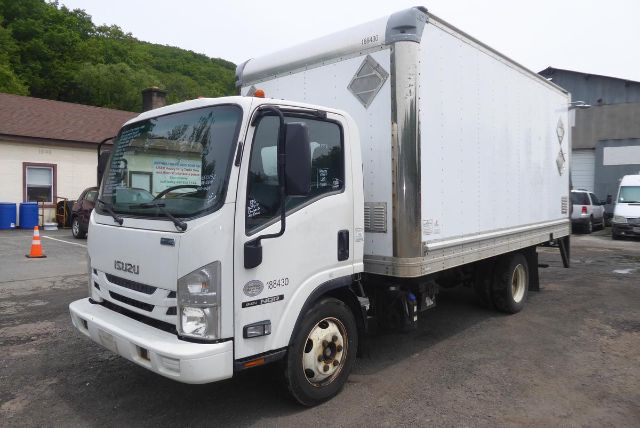
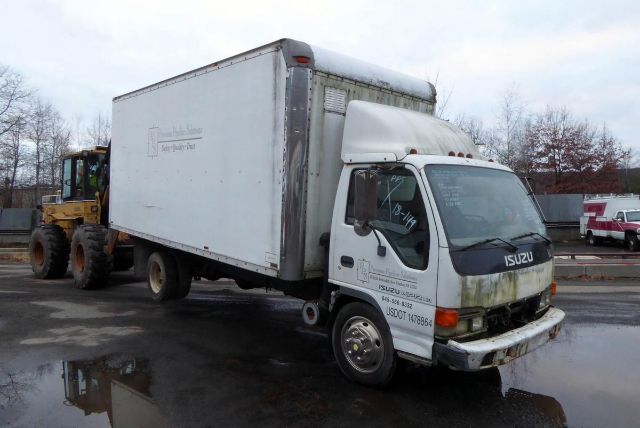
Have isuzu box truck to sell? List it here to reach thousands of buyers.
Isuzu Box Trucks in New York
Powertrain choice is a major decision in this category. Late-model Isuzu box trucks often use the 5.2L 4HK1 turbo diesel rated around 210 hp with an automatic transmission, while older units may show up with gas engines. The diesel setup is popular for stop-and-go commercial work because of its torque, durability, and broad service familiarity in medium-duty fleets. Buyers should still look closely at emissions equipment on newer diesel trucks, including DEF systems, and verify maintenance history, idle hours, and any warning lights. Rear axle ratio, brake type, suspension rating, and tire size also matter more than many buyers expect because they affect launch feel, highway rpm, payload stability, and replacement cost.
Body spec is where one Isuzu box truck can be far more useful than another. A 16-foot 6-inch body is common and fits many urban delivery applications, but door opening dimensions, floor material, roof construction, and body brand can change day-to-day usability. Aluminum floors help with corrosion resistance and weight savings, while wood floors may be preferred in some furniture and general freight applications for repairability. Roll-up doors are standard on many dry van bodies, but swing doors may suit docks with full rear clearance. Side doors can speed multi-stop routes, and a 2,000 lb liftgate is a valuable feature for appliance, foodservice, and route delivery operations where a dock is not guaranteed.
For buyers comparing used Isuzu box trucks, focus on the relationship between wheelbase, cab-to-axle, and box length so the truck actually matches the route and loading pattern. Confirm front and rear axle ratings, empty weight, and true payload after the body and accessories are accounted for. On refrigerated bodies, inspect reefer hours and cooling performance separately from the truck itself. In dense metro service, hydraulic brake condition, turning radius, and cab visibility are real operating costs, not minor details. A well-matched Isuzu box truck can be an efficient Class 4 or Class 5 delivery platform with strong parts support, easy urban drivability, and body options that fit a wide range of commercial hauling needs.
Frequently Asked Questions about Isuzu Box Trucks in New York
What is the difference between an Isuzu NPR and an Isuzu NQR box truck?
The main difference is capacity. An Isuzu NPR is typically spec'd in a lower GVWR range and is common for lighter local delivery work, while the Isuzu NQR usually carries a higher GVWR and axle ratings for heavier payloads. The NQR often gives buyers more margin for liftgates, denser freight, or refrigerated bodies, but the best choice depends on payload, route density, and whether bridge and registration limits are a factor in your area.
Are Isuzu box trucks good for New York city and regional delivery routes?
Yes. Isuzu cab-over box trucks are widely used in New York because the short overall length relative to body size improves maneuverability in tight streets, docks, and service alleys. The cab-over layout also helps visibility in traffic and during backing. Buyers running city routes should still verify body length, door style, and liftgate configuration, because a truck that is easy to turn is not automatically easy to load at every stop.
What body size is most common on an Isuzu box truck?
A 16-foot to 18-foot body is very common on Isuzu NPR and NQR chassis, although exact fitment depends on wheelbase, cab-to-axle measurement, and intended payload. A 16-foot 6-inch box is a frequent spec because it balances cargo volume with urban maneuverability. Buyers should compare interior cube, rear door opening height, and side-door access rather than looking at box length alone.
What should I inspect on a used Isuzu diesel box truck?
Start with the 4HK1 diesel service history, odometer miles, engine hours, transmission operation, brake wear, and signs of deferred maintenance. On newer emissions-equipped trucks, check DEF system function, active warning lights, and any history of emissions repairs. Then inspect the box body separately for floor wear, roof leaks, door condition, body corrosion, and liftgate operation if equipped. Reefer units, when present, need their own inspection for hours, cooling performance, and engine condition.
Is a liftgate worth it on an Isuzu box truck?
For many buyers, yes. A liftgate adds flexibility when deliveries are made to locations without dock access and can reduce manual handling on appliance, beverage, foodservice, and general route work. The tradeoff is added empty weight, more maintenance points, and reduced net payload. Buyers should match liftgate capacity to the freight profile, with many medium-duty box trucks using units around 1,500 to 2,000 lb for everyday delivery service.