
International Box Trucks For Sale in New York
Shop International box trucks for sale, including 4300 and 4700 models. Compare GVWR, box lengths, engines, door styles, and specs.
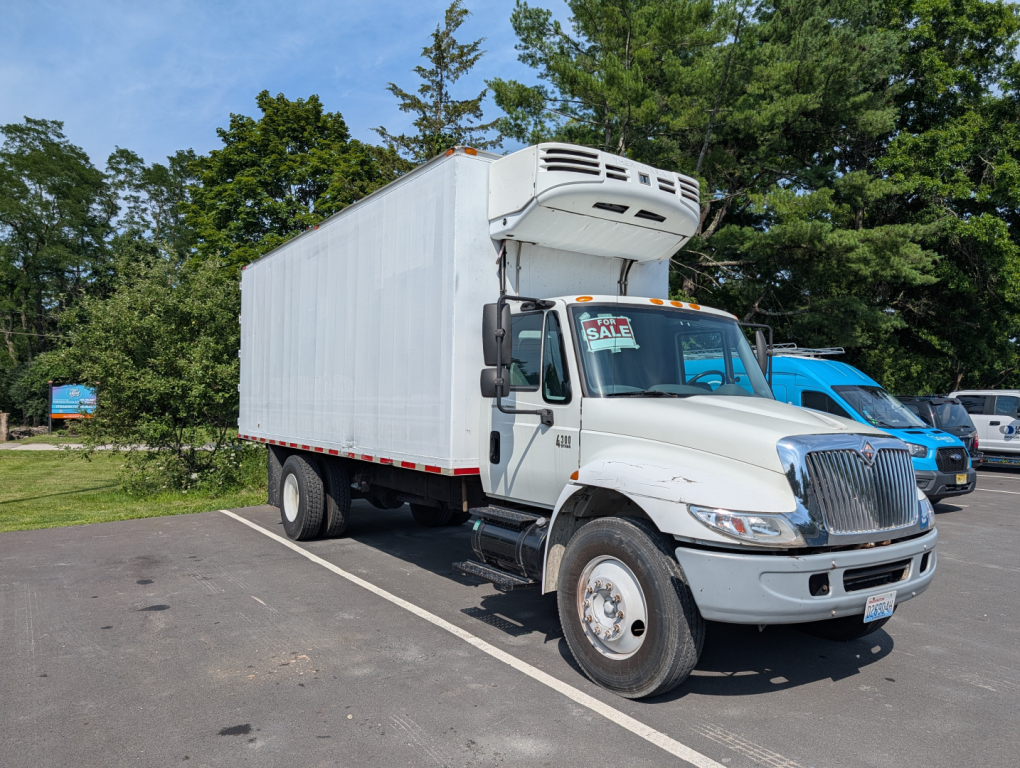
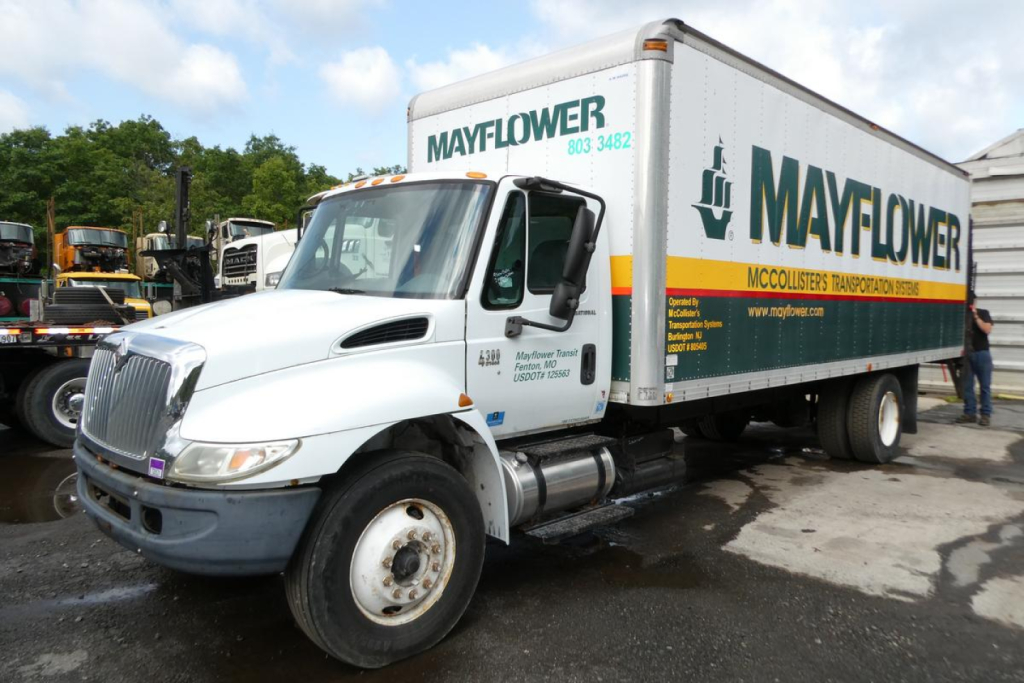
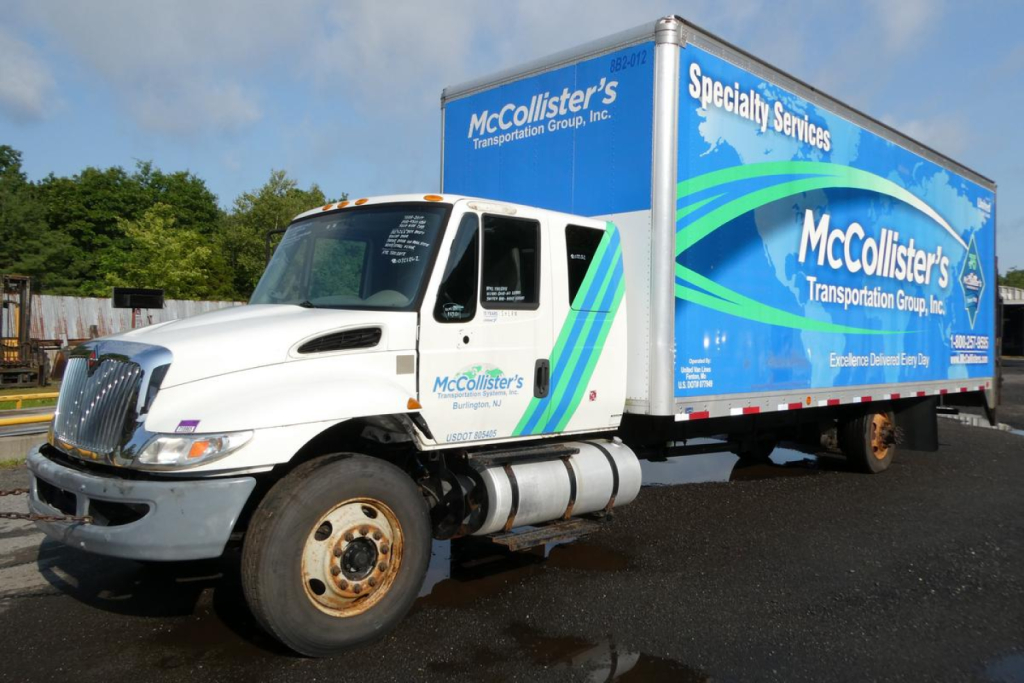
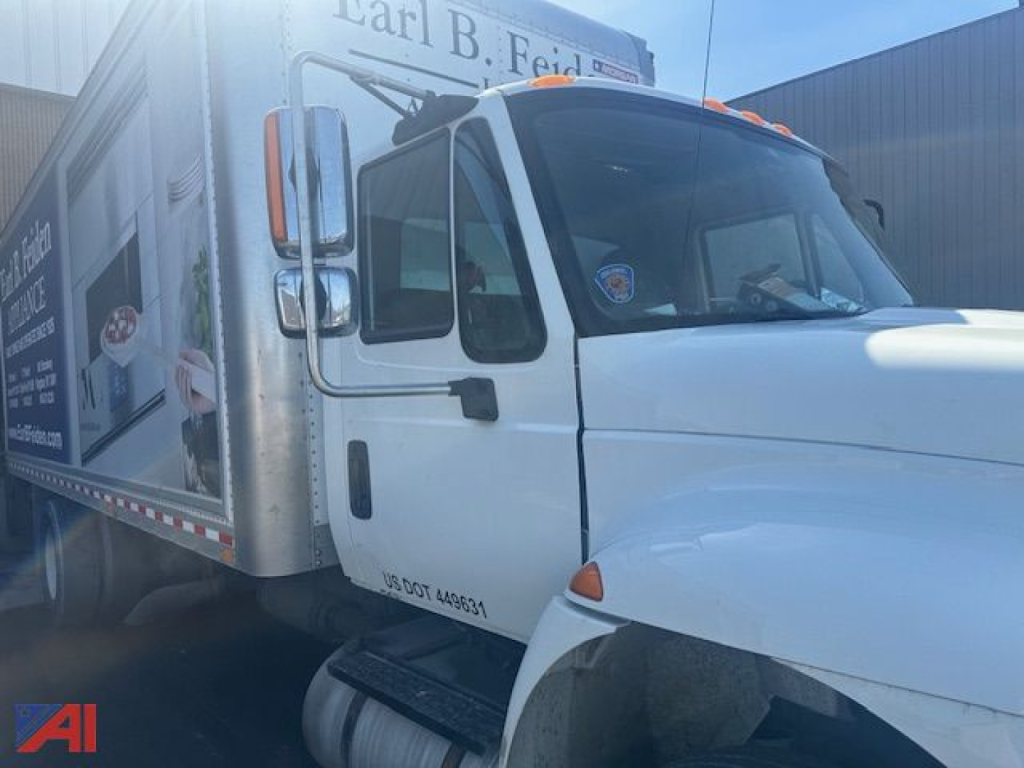
Selling a international box truck? List your international box truck for sale and reach thousands of commercial buyers.
International Box Trucks in New York
The biggest buying decision is usually the powertrain. Older International box trucks are often equipped with engines like the DT466 or T444E, paired with manual transmissions from Eaton or Spicer, though automatic setups are also common across the category. The DT466 has long been valued for durability and service familiarity in vocational and local-delivery work, while lighter-horsepower configurations can still be adequate for urban routes, furniture hauling, and dry freight if the truck is properly geared. Rear axle ratios, transmission type, and tire size all affect launch, cruise speed, and operating cost, especially for stop-and-go city use versus regional delivery. Buyers should also pay close attention to hydraulic brake condition, spring suspension ratings, axle capacities, and cab-to-axle measurements, since those details determine body fit, payload balance, and serviceability.
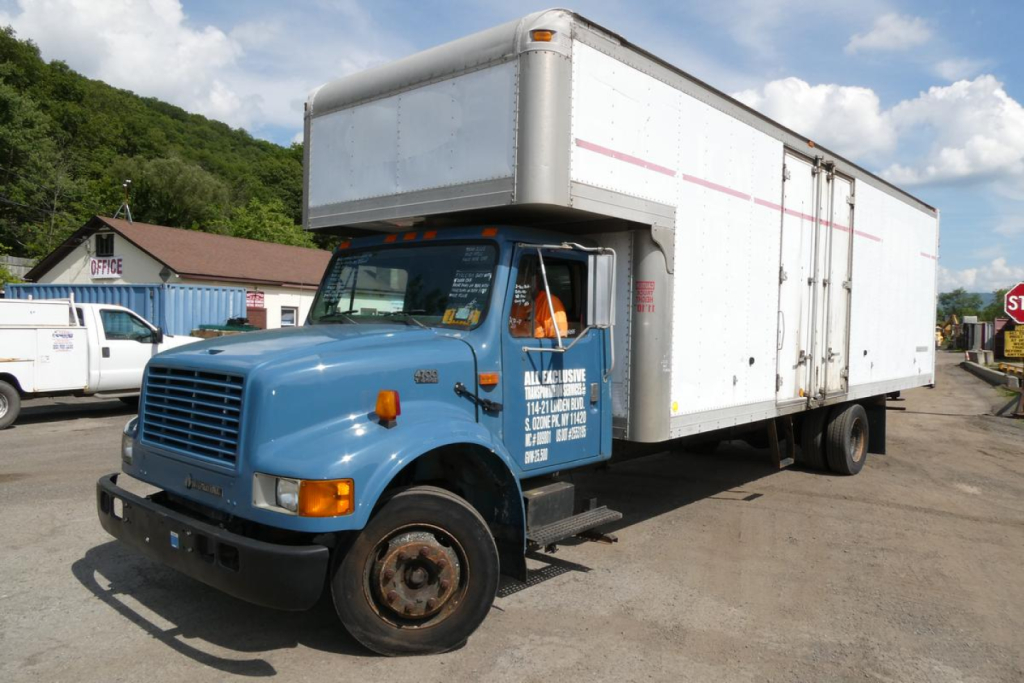
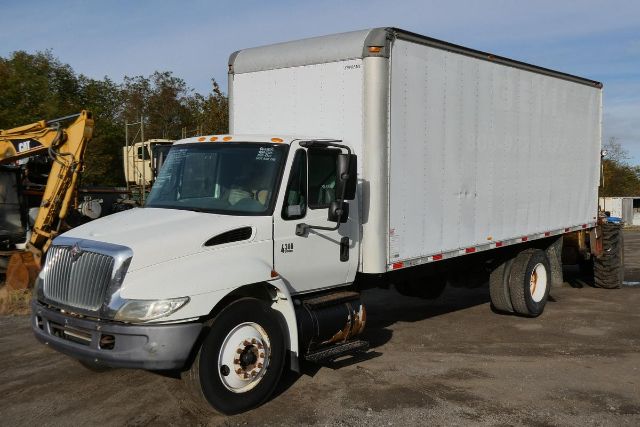
Box body spec is just as important as the chassis. Roll-up doors are popular for route delivery and dock work, while swing doors can be a better fit when maximum rear opening access matters. Side doors, translucent roofs, wood-over-steel floors, and steel door surrounds are all common features in this category. If the truck will be used in New York City or tight commercial zones, overall length, wheelbase, turning radius, and door configuration deserve close review. A 24-foot box can be easier to maneuver, while a 26-foot box gives more cube for moving companies, appliance delivery, and general freight. Over-cab attic space can add useful storage for pads, dollies, and lighter cargo without affecting the main floor.
Condition varies widely, so buyers should evaluate the truck as a chassis-body combination rather than looking at engine hours or mileage alone. Check for frame integrity, floor wear, roof leaks, door seal condition, corrosion around the body mounts, and signs of repeated curbside delivery damage. On older International box trucks, service records, cold-start behavior, brake performance, and evidence of proper maintenance often tell you more than model year alone. For many fleets and owner-operators, these trucks remain a practical choice because parts availability is strong, specs are familiar, and the platform works well for local and regional freight where simplicity and uptime matter most.
Frequently Asked Questions about International Box Trucks in New York
What GVWR is most common for International box trucks?
A very common configuration is 25,500 to 25,999 lb GVWR, especially on International 4300 and similar medium-duty chassis. That range is popular because it can maximize legal gross weight while staying just under the typical CDL threshold for many applications. Buyers should still confirm local licensing, registration, and operating requirements, especially if the truck will run across state lines or under specialized business use rules.
What engines are commonly found in older International box trucks?
Older International box trucks are often powered by engines such as the DT466 and T444E. The DT466 is especially well known in the medium-duty market for long service life and broad technician familiarity, while the T444E appears in many lighter-duty or older fleet applications. Engine condition, maintenance history, and how the truck starts and runs under load are more important than the badge alone when evaluating a used unit.
Is a 24-foot or 26-foot box better for delivery work?
A 24-foot box is often easier to maneuver in tight urban areas, alleys, loading zones, and older industrial properties. A 26-foot box usually provides more cargo cube and can be the better choice for movers, furniture delivery, or routes where cube matters more than turning radius. The right decision depends on dock access, route density, product size, and whether the truck spends more time in city traffic or on open road.
What should I inspect on a used International box truck body?
Focus on the floor, roof, body mounts, rear frame area, door hardware, and water sealing. Wood floors can hide wear from forklifts and pallet traffic, while roof seams and front corners can show leak history. Roll-up and swing doors should open squarely and seal properly, and side doors should be checked for hinge wear and structural fatigue. Cargo body condition has a direct effect on uptime and repair cost, so it deserves the same attention as the engine and drivetrain.
Are International box trucks good for non-CDL fleet use?
Yes, many International box trucks are configured specifically for non-CDL operation in the medium-duty segment. That makes them a strong fit for local delivery fleets, moving companies, rental applications, and service businesses that want substantial box capacity without moving into heavier truck licensing requirements. The key is to verify the exact GVWR on the door tag and make sure the body size, axle ratings, and payload match the intended use.