
IC Corporation Box Trucks For Sale
Browse IC Corporation box trucks for moving, delivery, and service work. Compare body length, GVWR, liftgate, powertrain, and cab features.
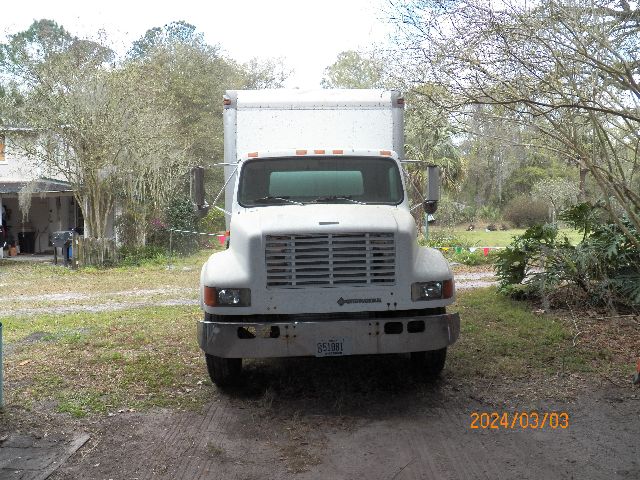
Selling a ic corporation box truck? List your ic corporation box truck for sale and reach thousands of commercial buyers.
IC Corporation Box Trucks
A close look at chassis and brake configuration matters on older IC Corporation box trucks. Many units from the 1990s and early 2000s use proven mechanical drivetrains with manual or automatic transmissions, diesel engines from International, and either hydraulic or air brake systems depending on GVWR. Trucks set at 26,000 pounds GVWR are especially attractive because they can maximize payload while staying below the CDL threshold in many applications, assuming local licensing and cargo rules are met. Buyers should verify axle ratings, suspension condition, brake type, and tire date codes, especially on trucks that have seen intermittent private use or long periods of sitting.
The body itself often determines the truck's value as much as the powertrain. Check the floor condition, roof seams, front wall, corner caps, scuff liners, roll-up door operation, and any signs of water intrusion. A liftgate can add major utility for palletized freight, appliances, or residential deliveries, but it also needs inspection for cylinder leaks, platform damage, and electrical or hydraulic issues. If the truck will be used for city routes, pay attention to turning radius, cab visibility, mirror setup, and ease of entry and exit. For moving applications, interior tie rails, E-track, and a clean, square box are often more important than cosmetic cab upgrades.
Older IC Corporation box trucks can make sense for buyers who want a straightforward medium-duty truck without emissions equipment found on newer diesel models. That simplicity can reduce some maintenance complexity, but age shifts the focus to service history, cooling system condition, exhaust integrity, steering components, and electrical reliability. A buyer comparing listings should look past paint and decals and focus on how the truck is spec'd for the job: payload capacity, door opening height, body construction, transmission type, and how well the chassis matches the intended route and load profile.
Frequently Asked Questions about IC Corporation Box Trucks
What should I check first when buying a used IC Corporation box truck?
Start with GVWR, body length, brake type, and liftgate presence because those specs determine where and how the truck can work. After that, inspect the chassis for engine condition, transmission operation, steering play, suspension wear, and tire age. On the box, look for floor rot, roof leaks, damaged rails, and roll-up door issues. A used box truck can have a solid drivetrain but still need expensive body repairs, so both sides of the truck matter equally.
Are IC Corporation box trucks available in non-CDL configurations?
Yes, many used box trucks in this class are set up at or near 26,000 pounds GVWR, which is a common non-CDL threshold for straight trucks in many jurisdictions. That makes them attractive for moving companies, local delivery fleets, and private operators. Buyers still need to confirm state licensing rules, cargo requirements, air brake endorsements if applicable, and actual payload capacity after body and liftgate weight are accounted for.
Is a liftgate worth having on an IC Corporation box truck?
A liftgate adds value when the truck handles palletized freight, appliances, vending equipment, or residential deliveries without dock access. It improves loading efficiency and reduces manual handling, but it also adds weight, maintenance, and repair exposure. Buyers should inspect the platform, hinges, hydraulic pump, cylinders, wiring, and controls to make sure the gate works smoothly under load and is sized appropriately for the intended cargo.
How do older IC Corporation box trucks compare with newer box trucks?
Older trucks are often simpler mechanically and may avoid newer emissions systems such as diesel particulate filters or DEF-related components. That can appeal to buyers looking for lower acquisition cost and easier field serviceability. The tradeoff is age-related wear in cooling systems, wiring, seals, brakes, and cab components. Newer trucks may offer better ergonomics, tighter turning, automatic transmissions with better drivability, and updated safety features, but they usually come with a higher purchase price and more complex emissions hardware.
What box truck body features matter most for delivery or moving work?
For most buyers, the most important body features are interior cube, floor condition, tie-down systems, roll-up door function, and water-tight construction. Scuff liners, translucent roof panels, and E-track can improve day-to-day usability depending on the cargo. For delivery work, door opening height and liftgate capacity are critical. For moving use, a straight, dry box with secure cargo restraint points is often more valuable than cosmetic appearance.