
Used Ford Box Trucks For Sale in New Jersey
Shop used Ford box trucks in New Jersey. Compare E-Series and cutaway models for delivery, service, moving, and local route work.
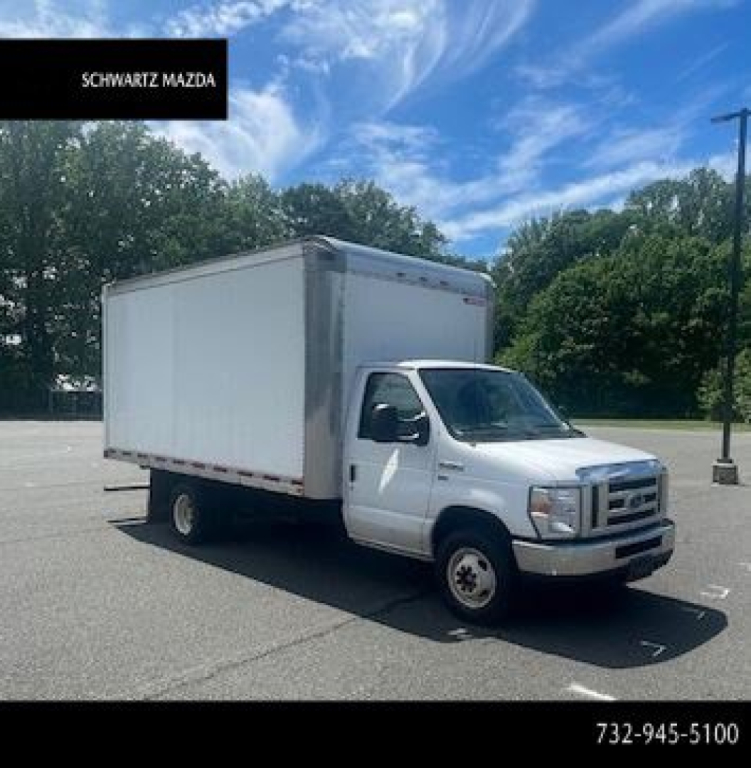
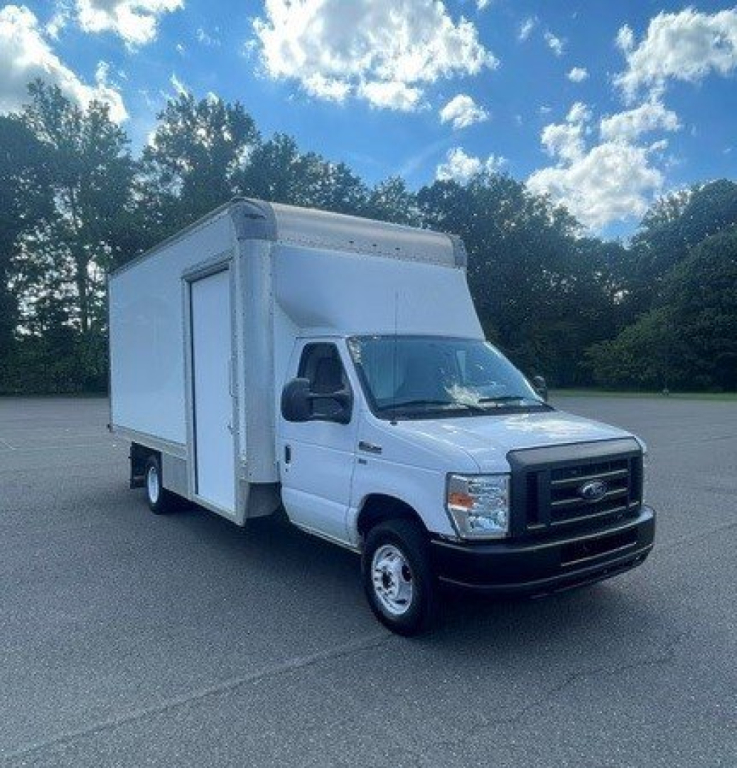
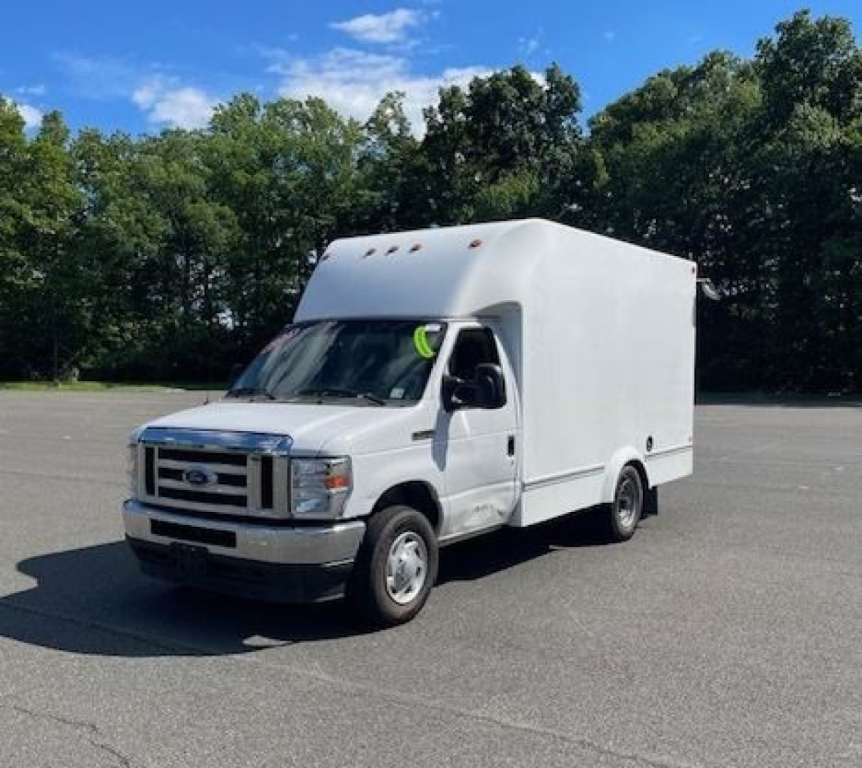
Selling a used ford box truck? List your used ford box truck for sale and reach thousands of commercial buyers.
Used Ford Box Trucks in New Jersey
The first decision is usually chassis size and body length. Many used Ford box trucks are built on E-350 or E-450 cutaway platforms with 10-foot to 16-foot bodies, though some larger configurations appear on F-Series chassis. A 12-foot fiberglass or aluminum body is common for lighter delivery work and can be easier to maneuver in tight streets, loading zones, and older industrial areas. Payload depends on GVWR, body construction, liftgate weight, and axle rating, so buyers should look beyond box size and confirm actual usable cargo capacity. Single rear wheel setups can reduce replacement tire cost and simplify maintenance, while dual rear wheel trucks generally offer better stability under load.
Powertrain and cab layout matter more on a used unit than the badge on the grille. Many Ford box trucks in this class use gasoline V8 engines, including the 5.4L Triton on older E-Series models, paired with automatic transmissions. Gas engines can make sense for fleets that run lower annual miles, shorter routes, and frequent idle time, especially where diesel emissions complexity is not desirable. Review service records for transmission work, ignition and coil issues on older gas engines, front suspension wear, brake condition, and signs of hard commercial use. On the body side, inspect the roof, front corners, floor, roll-up door, cab-to-box seal, and any evidence of water intrusion. In a state like New Jersey, rust at frame rails, brake lines, crossmembers, step areas, and underbody electrical connections deserves close attention.
A good used Ford box truck should match the job before it matches a price point. Think about dock height, rear door opening, interior height, and whether the truck needs a liftgate, translucent roof, E-track, shelving, scuff liners, or a walk ramp. For city delivery, shorter wheelbases and tighter turning radius can matter more than maximum cube. For moving or appliance work, cargo volume and rear access become the priority. Ford box trucks remain popular because parts support is broad, drivers are familiar with the platform, and the chassis is well suited to light and medium commercial applications when spec'd correctly.
Frequently Asked Questions about Used Ford Box Trucks in New Jersey
What are the most common Ford box truck chassis in the used market?
The most common used Ford box truck chassis are E-350 and E-450 cutaway models, especially in 10-foot to 16-foot body lengths. These platforms are widely used for dry freight, parcel delivery, moving, and service applications. Some larger box trucks are built on Ford F-Series chassis, but the E-Series remains one of the most common configurations in the light-duty commercial market because it is simple, familiar, and easy to service.
Is a gas-powered Ford box truck a good choice for local delivery work?
A gas-powered Ford box truck is often a strong fit for local and regional delivery routes with frequent stops, lower annual mileage, and regular idle time. Older Ford box trucks commonly use gasoline V8 engines that can be less complex to maintain than diesel emissions-equipped trucks in the same duty cycle. Buyers should still evaluate fuel cost, payload needs, and route length, but gas models are often attractive for urban operations, moving companies, and contractor fleets.
What should I inspect on a used Ford box truck before buying?
Key inspection points include the engine, transmission, brakes, steering components, suspension, tires, and frame condition. On the box itself, check the roof, front cap, body seams, floor integrity, roll-up door operation, and any signs of leaks or impact damage. For New Jersey trucks, rust is a major concern, especially on frame rails, crossmembers, brake lines, and underbody wiring. It is also important to confirm GVWR, axle ratings, and actual payload capacity rather than assuming capacity based on body size alone.
What body length is best for a Ford box truck?
The best body length depends on the job. A 10-foot to 12-foot box truck is easier to maneuver in urban areas, tighter yards, and congested delivery zones, which makes it useful for city routes and service work. A 14-foot to 16-foot body offers more cubic capacity for moving, furniture, appliances, and general freight. Buyers should balance cargo volume against turning radius, parking limitations, and the added weight of options such as liftgates or shelving.
Are Ford box trucks good for moving and contractor use?
Ford box trucks are commonly used by moving companies, trades, rental fleets, and local delivery businesses because the chassis supports a wide range of body types and interior upfits. Contractor buyers often look for shelving, ladder racks, or side-access configurations, while moving operations prioritize cubic capacity, interior tie-down points, and rear loading convenience. The platform's broad parts availability and familiar cab layout also make it appealing for businesses that need practical, easy-to-operate equipment.