
Used GMC Boom Trucks For Sale
Browse used GMC boom trucks for utility, tree, sign, and light construction work. Compare chassis, reach, PTO setup, and body condition.
No exact matches found for your search
Showing Used Boom Trucks instead.
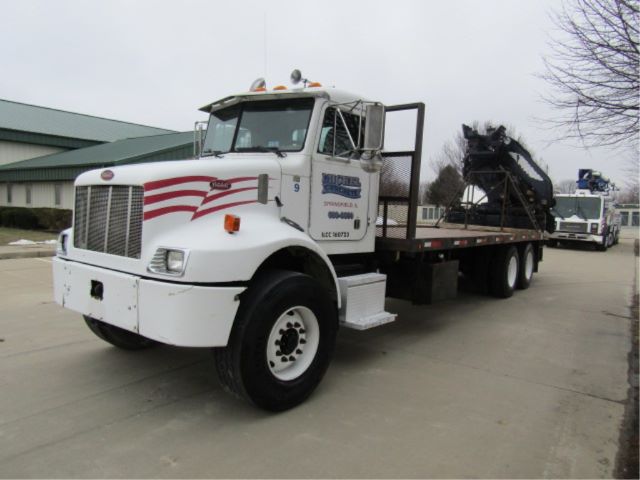
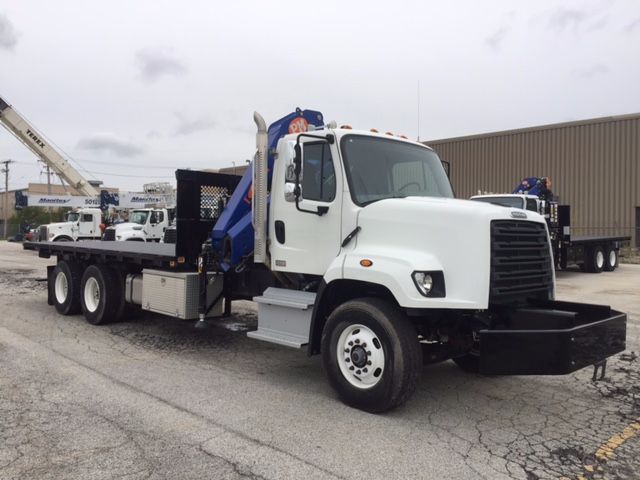
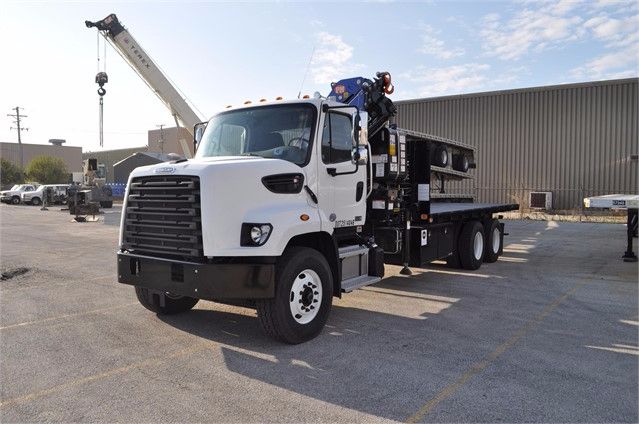
Looking for the easiest place to sell your used gmc boom truck? List it here to reach thousands of buyers.
Used GMC Boom Trucks
The main buying decisions are working height, horizontal reach, bucket or lifting capacity, and body configuration. A used GMC boom truck may be equipped with a telescopic boom, articulated boom, or insulated aerial device depending on the job. For arborist use, look closely at chip body condition, subframe integrity, outrigger performance, and evidence of hard use around the turret and boom pivot points. For utility or sign applications, insulation rating, basket controls, hydraulic leak history, and current dielectric testing records matter more. On any used unit, PTO engagement, pump performance, boom function smoothness, and interlock operation deserve as much attention as the truck itself.
Chassis specs are just as important as lift specs. Many GMC boom trucks in this class use diesel engines paired with automatic transmissions, hydraulic brakes or air brakes depending on GVWR, and rear axle ratings suited to concentrated body weight. Check wheelbase against body length and boom placement because balance and legal axle loading affect how the truck works on the road and on the jobsite. Suspension condition, frame corrosion, tire age, and steering wear all matter on older medium-duty GMC trucks, especially units that spent years in municipal, utility, or tree service fleets. If CDL requirements, bridge law compliance, or local road weight limits are part of your operation, verify GVWR and actual scaled weight before buying.
A good used GMC boom truck is less about brand name alone and more about how well the chassis, hydraulic system, and upfit match the work. Buyers should confirm service history on the engine and transmission, inspection records on the boom, and parts support for the specific aerial device manufacturer. It is also smart to inspect outriggers, control stations, harness attachment points, turret bearings, hoses, and any signs of structural repair on the boom or body. When the truck is properly spec'd, a used GMC boom truck can still be a cost-effective way to add reach, lifting capability, and vocational versatility to a fleet.
Frequently Asked Questions about Used GMC Boom Trucks
What should I inspect first on a used GMC boom truck?
Start with the boom system and the chassis as separate but connected components. Inspect the boom structure for cracks, weld repairs, rust around pivot points, excessive pin and bushing wear, and smooth operation through the full range of motion. Then check PTO engagement, hydraulic pump response, hose condition, outrigger deployment, interlocks, and lower and upper controls. On the GMC chassis, review engine service records, transmission operation, brake type and condition, steering wear, frame corrosion, and tire age. A used boom truck can look acceptable cosmetically while still needing expensive hydraulic or structural work.
Are GMC boom trucks used more for tree service or utility work?
They are used in both, but the exact upfit determines the job. A GMC tree truck may have a chip body, tool compartments, and an arborist-style boom suited to trimming and removal work. A utility or sign-service truck may use an insulated aerial bucket, cleaner body layout, and equipment for line or lighting access rather than debris handling. Buyers should focus less on the GMC badge and more on the boom manufacturer, insulation status, working height, platform capacity, and body style.
Do used GMC boom trucks usually require a CDL?
Some do and some do not, because the requirement depends on GVWR, actual operating weight, and local regulations rather than the boom alone. Many medium-duty GMC boom trucks fall into Class 6 or Class 7 ranges where CDL rules can vary by configuration and use. A chip body, crane package, or heavier rear axle can push the truck into a higher weight class quickly. Always verify the door tag, axle ratings, and scaled weight, especially if the truck will carry crews, tools, rigging, or debris.
What boom truck specs matter most for tree work?
Tree service buyers usually focus on working height, side reach, platform capacity, chip body condition, and overall stability with outriggers set. The rear frame section and subframe deserve close inspection because tree trucks often see repeated off-road use, debris loading, and uneven setup conditions. It is also important to evaluate tool storage, tailgate and chipper access, hydraulic function speed, and any evidence that the boom has been shock-loaded. A truck that is strong on paper but poorly balanced or worn out in the rear structure will create daily operating problems.
Is parts support a concern on an older used GMC boom truck?
It can be, especially when the truck chassis and the aerial device come from different eras and manufacturers. Engine, brake, steering, and common chassis parts are often easier to source than specialized boom components, control modules, or obsolete hydraulic valves. Before buying, identify the boom manufacturer and model, confirm serial plate information, and ask about current parts availability and service support. A sound older GMC chassis can still be valuable, but limited support for the boom system can change the total cost of ownership.