
Commercial Trucks For Sale Near Boise, Idaho
Have commercial truck to sell? List it here to reach thousands of buyers.
Commercial Trucks Near Boise, Idaho
Used trucks in this class are commonly built by manufacturers such as International, Ford, Freightliner, Chevrolet, GMC, Kenworth, Peterbilt, and Isuzu. Diesel power is still the standard for heavier commercial work because of torque, service life, and compatibility with PTO-driven equipment, though gas-powered units can make sense in lighter local applications. Buyers should pay close attention to engine emissions tier, mileage versus engine hours, transmission type, rear axle ratio, and tire date codes. On vocational trucks, the upfit is a major part of the value. Tanks, pumps, hose reels, liftgates, tool compartments, compressors, and hydraulic systems all need the same level of inspection as the chassis itself. A low-mile truck can still require careful review if it spent its life idling, operating auxiliary equipment, or working in corrosive environments.
Boise-area buyers often need trucks that can handle a mix of city streets, jobsite access, and interstate runs across Idaho and the surrounding region. That makes cooling system condition, brake performance, gearing, and suspension especially important. If the truck will cross state lines or operate under CDL requirements, confirm axle weights, tank certifications if applicable, and any DOT inspection records that support the unit's intended use. For fuel trucks and other regulated vocational equipment, documentation on cargo tank testing, pump systems, meter setup, and hose reel components can be just as important as engine service records. Clean titles, clear maintenance history, and evidence of proper storage usually tell more about long-term value than appearance alone.
A good truck purchase comes down to matching the chassis to the job with enough capacity in reserve. Buyers should verify body manufacturer tags, PTO operation, wheelbase measurements, frame modifications, and any signs of overloading or uneven wear. Interior condition, switchgear function, and dash warning history also help reveal how the truck was treated. When comparing listings, focus on total configuration instead of year alone. A properly spec'd older truck with a strong drivetrain and a well-maintained vocational body can be the better buy over a newer unit with the wrong gearing, limited body support, or missing compliance paperwork.
Frequently Asked Questions about Commercial Trucks Near Boise, Idaho
What should I look for first when buying a used commercial truck?
Start with the intended job, then confirm the truck’s GVWR, axle ratings, wheelbase, frame length, and body compatibility. Those core specs determine whether the chassis can legally and safely handle the payload and equipment you plan to run. After that, review engine hours, service records, transmission type, brake system condition, suspension wear, and signs of previous overloading or frame modification.
How important is mileage on a used vocational truck?
Mileage matters, but it is only one part of the picture on a commercial truck. Engine hours, idle time, PTO use, maintenance quality, and operating environment often tell more than the odometer alone. A truck with low miles may still show significant wear if it spent years idling, running pumps, or working around corrosive materials, while a higher-mile unit with documented service can be the safer purchase.
What is different about buying a fuel truck compared with a standard chassis truck?
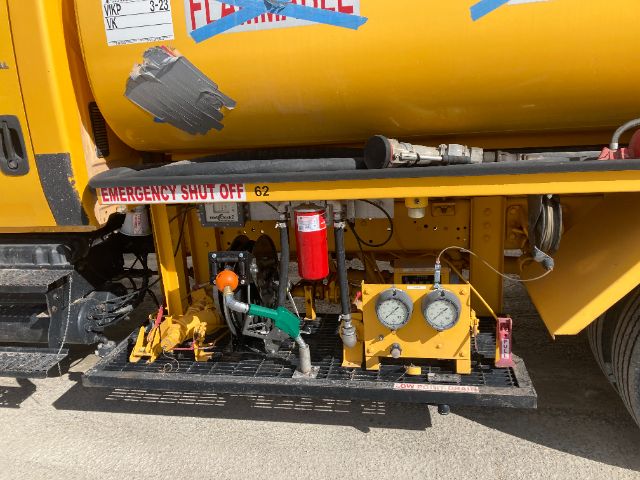
A fuel truck needs inspection beyond the cab and chassis because the tank, pump, meter, hose reel, filtration system, and related plumbing are all critical components. Buyers should verify tank capacity, current cargo tank inspection status, DOT documentation, leak history, and the operating condition of reels, nozzles, and pump assemblies. Regulatory compliance and paperwork are a major part of the truck’s value, not just the driveline.
Should I choose a diesel or gas truck for commercial use?
Diesel is usually preferred for heavier payloads, towing, PTO applications, and higher annual usage because it offers strong low-end torque and long service life. Gas trucks can make sense for lighter-duty local routes where acquisition cost, simpler emissions systems, and easier cold-start behavior are priorities. The best choice depends on load, route length, idle time, maintenance capability, and whether the truck will power auxiliary equipment.