
Used Bluebird Trucks For Sale
Shop used Blue Bird trucks and bus chassis with diesel power, automatic transmissions, air brakes, and school or commercial-duty specs.
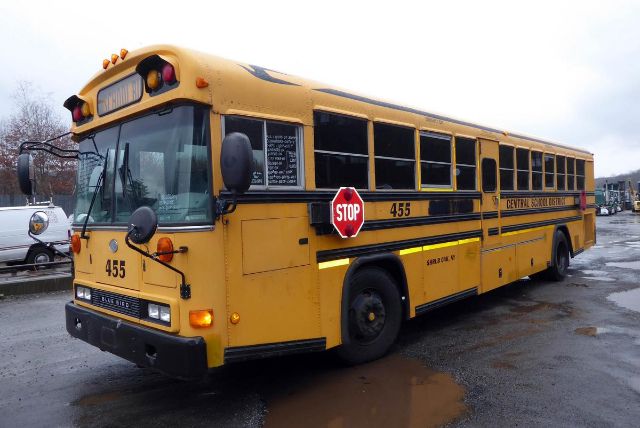
Have used bluebird truck to sell? List it here to reach thousands of buyers.
Used Bluebird Trucks
On used Blue Bird equipment, engine and transmission pairing is usually a key buying decision. Common setups include medium-duty diesel engines from Caterpillar, Cummins, or similar manufacturers, often matched to Allison automatic transmissions. Horsepower and gearing matter more than the badge alone. A higher numerical rear ratio can help with low-speed route work and loaded starts, but it may limit road speed. That is especially important on older school bus-spec units, where the vehicle may have been configured for local routes rather than sustained highway use. Buyers should also verify GVWR, axle ratings, wheelbase, brake type, suspension, and tire size, because these details determine passenger capacity, body support, ride quality, and how practical the truck will be for its next job.
Condition on a used Blue Bird should be evaluated beyond the basic mileage reading. Idle time, route density, corrosion exposure, electrical condition, door operation, brake system health, cooling system performance, and frame integrity all matter. Rust around step wells, floor structure, body mounts, and underbody crossmembers can be more important than odometer miles on older units. If the truck is being considered for conversion or vocational repurposing, check interior layout, roof height, emergency exits, seat mounting points, and any signs of previous fleet modifications. Service records are valuable because many Blue Bird units came from institutional fleets that followed scheduled maintenance, but buyers still need to confirm real-world drivability, cold-start behavior, transmission shift quality, and any speed or electrical faults.
Blue Bird trucks and bus chassis can be a practical buy when the intended use matches the original build. A school-route spec unit is different from a commercial shuttle or specialty body configuration, and those differences show up in gearing, seating, entry layout, suspension, and weight distribution. For buyers comparing listings, the smartest approach is to match the chassis specs to the application first, then judge the remaining life of the engine, transmission, brakes, and structure. That keeps the focus on operating fit, not just price or appearance.
Frequently Asked Questions about Used Bluebird Trucks
What should I look at first when buying a used Blue Bird truck or bus-based chassis?
Start with the chassis and drivetrain specs, not the paint or interior. Confirm the engine model, transmission, rear axle ratio, GVWR, axle ratings, brake type, and suspension. Those items determine how the vehicle will perform in local route work, highway use, passenger hauling, or conversion service. On older Blue Bird units, gearing and electronic speed limitations can have a major effect on usability, so a road test and clear review of any active faults should come early in the buying process.
Are used Blue Bird vehicles good candidates for commercial or specialty conversions?
They can be, especially when the structure is sound and the intended use fits the chassis design. Blue Bird bus platforms are often chosen for mobile offices, church transport, nonprofit fleets, training units, and other specialty builds because they were designed for repeated stop-and-go service and high-capacity operation. The buyer should still inspect frame condition, floor integrity, roof height, wiring, HVAC layout, and seat mounting areas before planning a conversion budget.
What engines and transmissions are common in used Blue Bird trucks?
Many used Blue Bird units are equipped with medium-duty diesel engines such as Caterpillar or Cummins, commonly paired with Allison automatic transmissions. The exact combination varies by model year and application, but these are widely recognized commercial components with established service networks. Buyers should verify horsepower, torque, transmission series, and rear axle ratio together, because the full package tells more about route suitability than any one component alone.
Does mileage matter as much on a used Blue Bird as it does on a standard truck?
Mileage matters, but it is only part of the picture. A Blue Bird that spent years in dense route service may have lower miles but high engine hours, frequent stops, heavy brake use, and extensive idling. Fleet maintenance history, rust condition, cooling system health, suspension wear, and electrical reliability often tell more about remaining service life than odometer readings by themselves. That is why inspection and maintenance records are especially important on used bus-based equipment.