
Commercial Trucks For Sale Near Bliss, New York
Have commercial truck to sell? List it here to reach thousands of buyers.
Commercial Trucks Near Bliss, New York
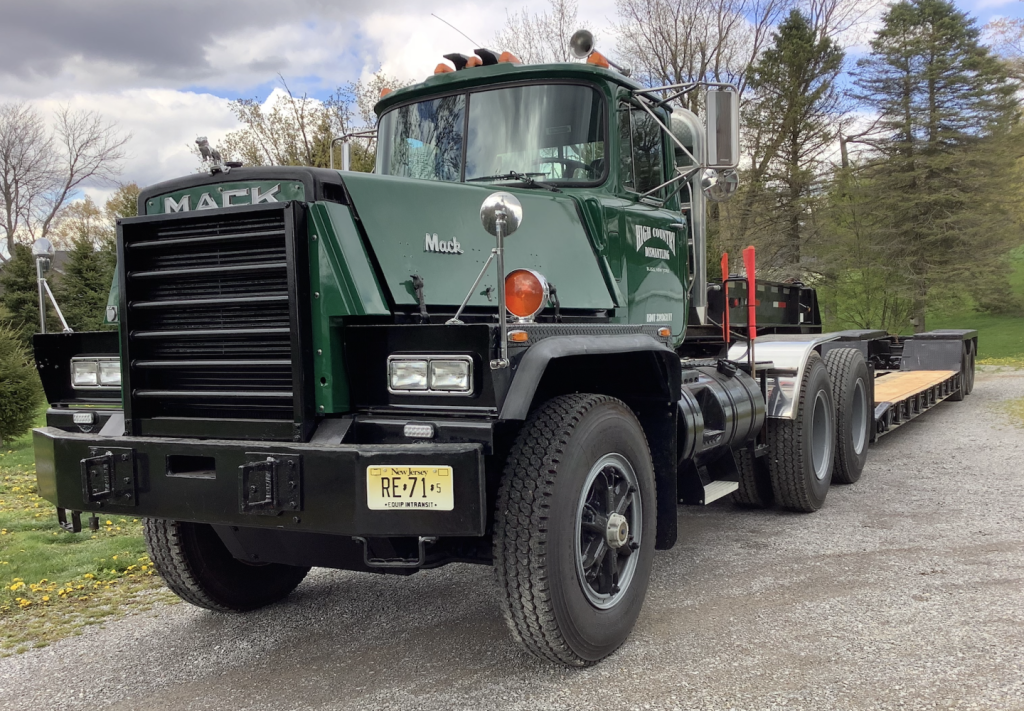
Powertrain and chassis specs usually decide long-term operating cost. On used trucks, buyers should look closely at engine family, horsepower, torque rating, transmission type, rear axle ratio, wheelbase, suspension, and brake configuration. A day cab semi tractor used for short regional lanes may favor a lighter spec and simpler drivetrain, while a heavy vocational Mack, Freightliner, Ford, or similar platform may be set up with walking beam suspension, automatic transmission, wet kit, pintle hitch, or a high-capacity fifth wheel for lowboy and equipment hauling. If the truck carries a body or specialty upfit, confirm PTO operation, hydraulic condition, frame integrity, and any signs of hard-duty municipal or off-road service. Mileage matters, but engine hours, idle time, and maintenance history often tell the better story.
Body style is just as important as the badge on the hood. Flatbed trucks support building materials, equipment, and jobsite deliveries, especially when paired with tool storage or a mast crane. Semi tractors are built around GCWR, wheelbase, fifth-wheel setup, and suspension, so buyers should verify trailer compatibility and expected payload before comparing prices. Specialty trucks such as ambulances, service units, or municipal platforms need extra attention to electrical loads, charging systems, body condition, and parts support for the upfit itself. In upstate New York, corrosion is always part of the inspection. Look hard at cab corners, crossmembers, spring hangers, brake lines, wiring, and body mounts, especially on older trucks that may have seen road salt and seasonal storage.
A good truck purchase comes down to application fit, serviceability, and remaining life in the chassis. Buyers comparing trucks for sale in Bliss should pay attention to axle ratings, CDL implications, emissions system complexity, and how easy the truck will be to register, insure, and maintain in regular use. For some operations, a pre-emissions or simpler mechanical setup still has appeal. For others, newer diesel platforms with better diagnostics, automatic transmissions, and cleaner packaging make more sense. The best value is usually the truck with the right frame, drivetrain, and vocational equipment already in place, not the one with the lowest asking price.
Frequently Asked Questions about Commercial Trucks Near Bliss, New York
What should I look at first when comparing used trucks for sale?
Start with the truck’s intended job and then verify the core specs that support it. Key items include GVWR or GCWR, axle configuration, wheelbase, engine rating, transmission, suspension, brake type, and any PTO or hydraulic equipment. On vocational trucks, frame condition, rear axle capacity, and body mounting matter as much as mileage. On semi tractors, fifth-wheel setup, rear ratio, and trailer compatibility are critical.
Is mileage the most important factor on a used truck?
No. Mileage helps, but it does not tell the whole story. Engine hours, idle time, maintenance records, prior application, and overall chassis condition often matter more. A lower-mile truck that spent years in severe municipal duty can show more wear than a higher-mile highway unit that was maintained on schedule. Buyers should always compare mileage with hours, service history, rust condition, and drivetrain wear.
What are the main differences between a highway tractor and a vocational truck?
A highway tractor is generally spec'd for pulling trailers efficiently on paved routes, with gearing, suspension, and wheelbase selected for fuel economy, ride quality, and freight compatibility. A vocational truck is built for more specialized work such as construction, equipment hauling, utility service, or municipal operations. These trucks often have heavier frames, higher-capacity rears, PTO provision, severe-duty suspension, and body-specific equipment that adds value if it matches the job.
Why is rust inspection so important on trucks in New York?
Road salt, freeze-thaw cycles, and winter exposure can affect both appearance and structural life. Buyers should inspect frame rails, crossmembers, cab mounts, suspension hangers, air tanks, brake lines, wiring, fuel tanks, body supports, and underbody hardware. Surface rust is common, but scaling, perforation, and rust around mounting points can lead to expensive repairs and downtime. In this region, corrosion can be as important as drivetrain condition.
Do specialty trucks like ambulances or crane trucks require a different inspection process?
Yes. Specialty trucks need the same chassis inspection as any commercial truck, plus a close review of the upfit. That includes electrical systems, inverter or charging equipment, lighting, hydraulic components, crane functions, compartment structure, body corrosion, and any safety interlocks. Parts availability for the body manufacturer is also important. A solid chassis can still become a costly project if the specialty equipment is outdated, damaged, or difficult to support.