
Commercial Trucks For Sale Near Blackstone, Massachusetts




Have commercial truck to sell? List it here to reach thousands of buyers.
Commercial Trucks Near Blackstone, Massachusetts
For vocational trucks, pay close attention to the operating package rather than just miles. A hooklift or roll-off truck should be evaluated for hoist capacity, hook height, hydraulic performance, frame condition, PTO operation, and body compatibility. A tank truck should be reviewed for tank material, gallon capacity, pump setup, valve sizes, baffle configuration, and any corrosion or repair history. Cab and chassis units are often the best fit when a buyer needs to mount a specific body, but wheelbase, rear frame length, and front axle placement have to match the intended upfit. Tri-axle configurations are common where payload and bridge law compliance matter, and buyers typically compare suspension type, lift axle setup, wet line specifications, and gearing for the work region.
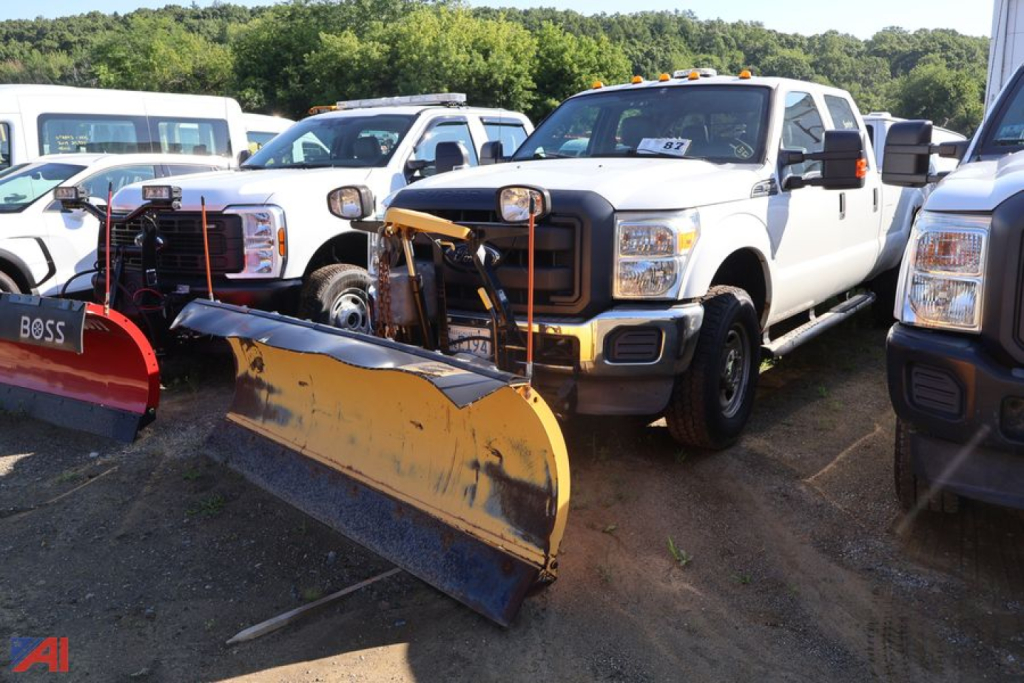
In Massachusetts and the broader Northeast, truck condition is shaped by winter exposure, municipal duty cycles, and stop-and-go operation. Rust on frames, crossmembers, spring hangers, cab mounts, and body hardware deserves a close look, especially on older work trucks. Snow and ice equipment adds value for some buyers, but hydraulic circuits, plow mounts, spreader controls, and electrical connections should be inspected for wear. Automatic transmissions are common in municipal and utility applications because they simplify low-speed work, while manual and automated manual transmissions still appeal in heavier hauling or regional tractor service. Engines such as medium-duty diesels and heavier Class 8 platforms are usually selected based on torque curve, service access, and parts support as much as rated horsepower.
A good used truck in this class should be matched to the job with minimal compromise. Buyers generally compare engine hours against idle time, confirm PTO engagement under load, inspect brake and suspension components, and verify that any auxiliary equipment actually operates as intended. If the truck will carry interchangeable bodies or seasonal equipment, body interface points, hydraulic plumbing, and electrical connectors should be checked carefully. The best value is rarely the lowest upfront price. It is the truck with the right specs, legal payload, durable frame, and vocational equipment that can go to work without extensive reconfiguration.
Frequently Asked Questions about Commercial Trucks Near Blackstone, Massachusetts
What should I look for first when buying a used vocational truck?
Start with the job the truck needs to perform, then verify that the chassis and equipment match that application. GVWR, axle ratings, wheelbase, PTO provision, hydraulic capacity, and body compatibility should be confirmed before focusing on cosmetic condition. On a used vocational truck, frame condition, corrosion, hours, service history, and the functionality of the attached equipment are usually more important than odometer mileage alone.
Is a cab and chassis truck better than buying a truck with a body already installed?
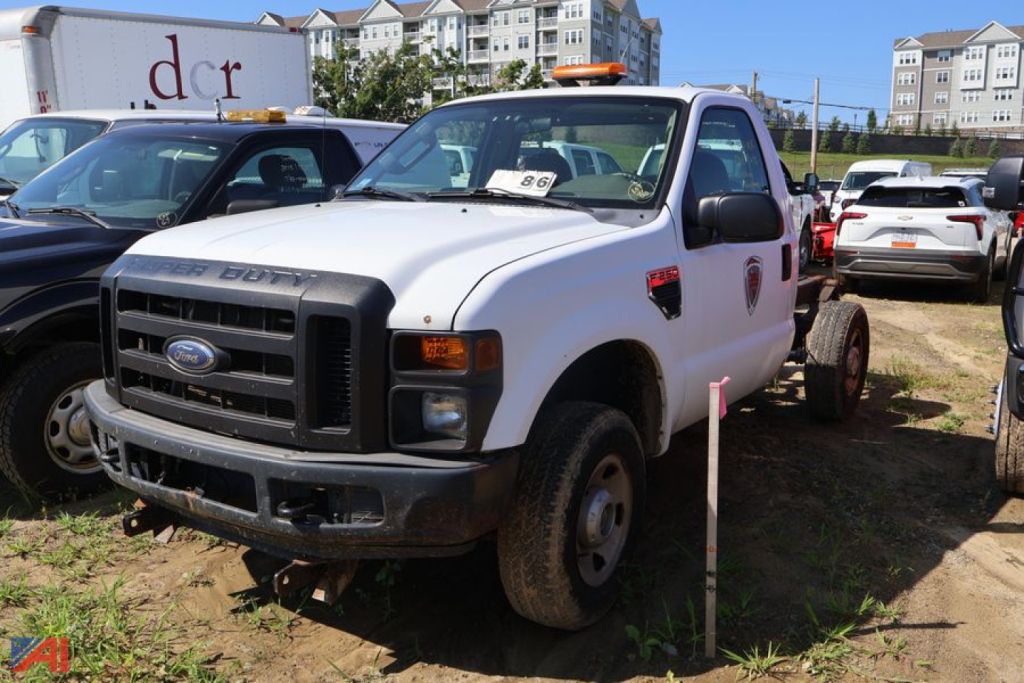
A cab and chassis truck is often the better choice when a buyer already has a body, needs a specialized upfit, or wants to control the final configuration. The tradeoff is that wheelbase, frame length, axle spacing, and PTO setup must align with the planned body installation. A truck with a body already installed can reduce lead time and setup cost, but only if the body type, hoist, hydraulics, and dimensions are correct for the work.
What matters most on a hooklift or roll-off truck?
The key points are lifting capacity, hook height, rail length, hydraulic performance, and compatibility with the containers or bodies you plan to use. Buyers should inspect the hoist, rollers, locks, pivots, hydraulic cylinders, hoses, and PTO operation under load. Frame reinforcement and rear structure condition also matter because these trucks see repeated stress from loading cycles and uneven jobsite surfaces.
How do I evaluate a used tank truck?
Tank construction and system condition are the priority. Buyers should verify gallon capacity, tank material, valve size, pump operation, plumbing layout, and any signs of leaks, internal contamination, or corrosion. It also helps to confirm whether the truck is set up for septic, water, vacuum, or another specific application, because pump type, hose storage, and discharge hardware can vary significantly.
Why are tri-axle trucks popular for certain jobs?
Tri-axle trucks are commonly chosen when a buyer needs higher legal payload capacity, better weight distribution, or compliance with local bridge and road rules. They are widely used in construction hauling, heavy vocational work, and some municipal applications. Buyers should still review lift axle function, suspension wear, turning radius, tire costs, and the effect of the extra axle on maintenance and maneuverability.