
Commercial Trucks For Sale Near Binghamton, New York
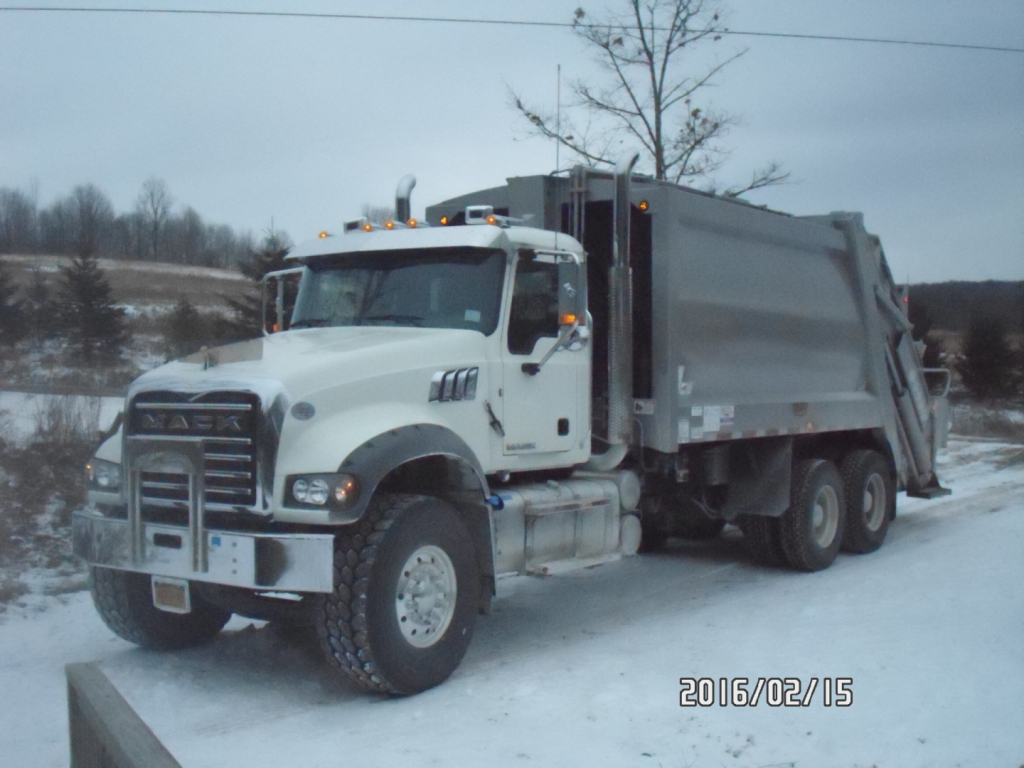
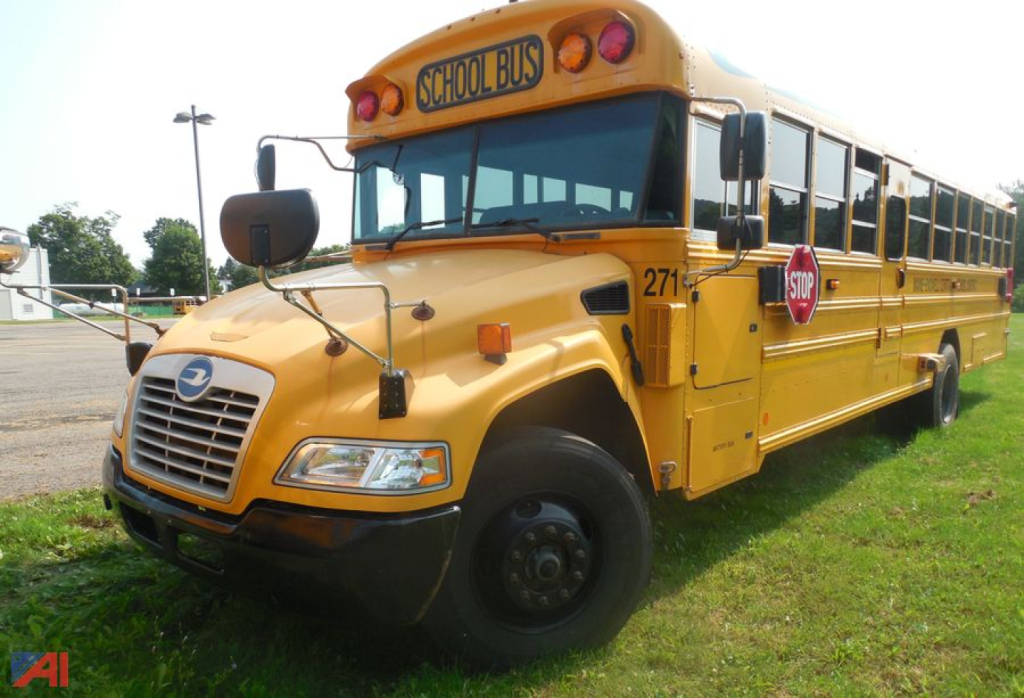
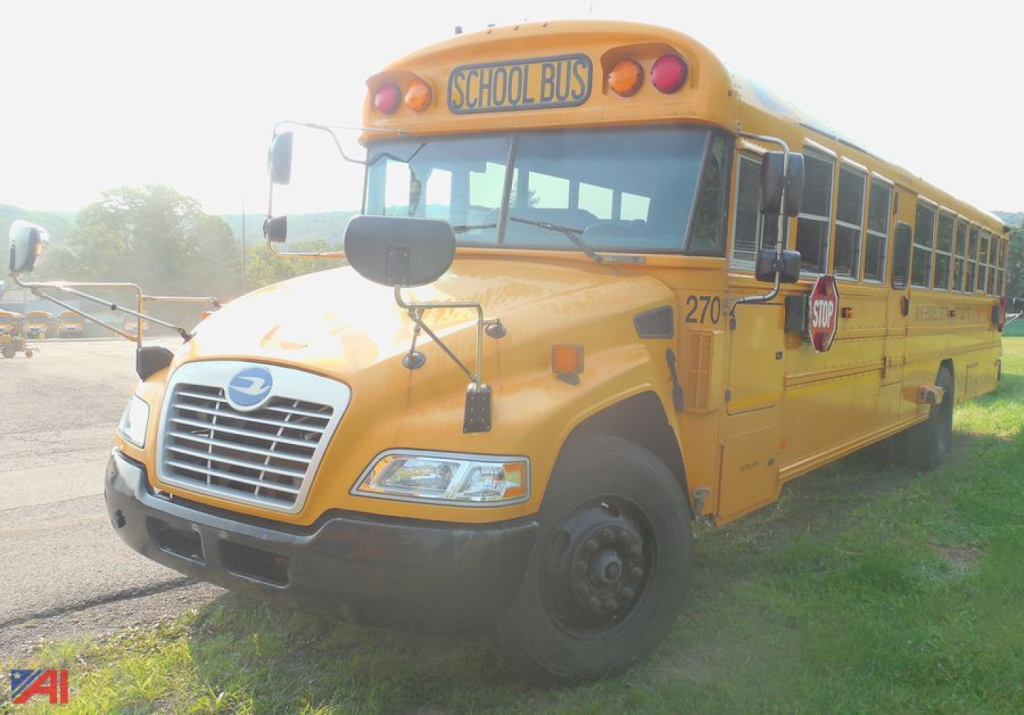
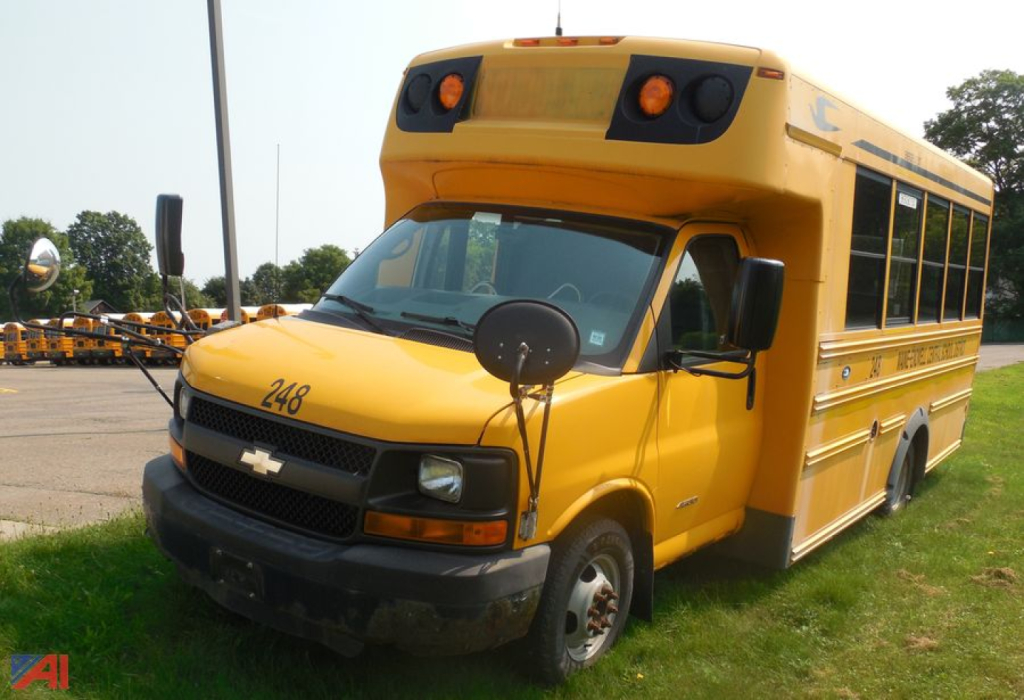

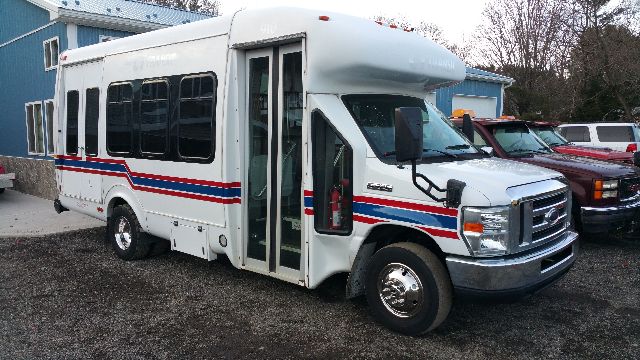
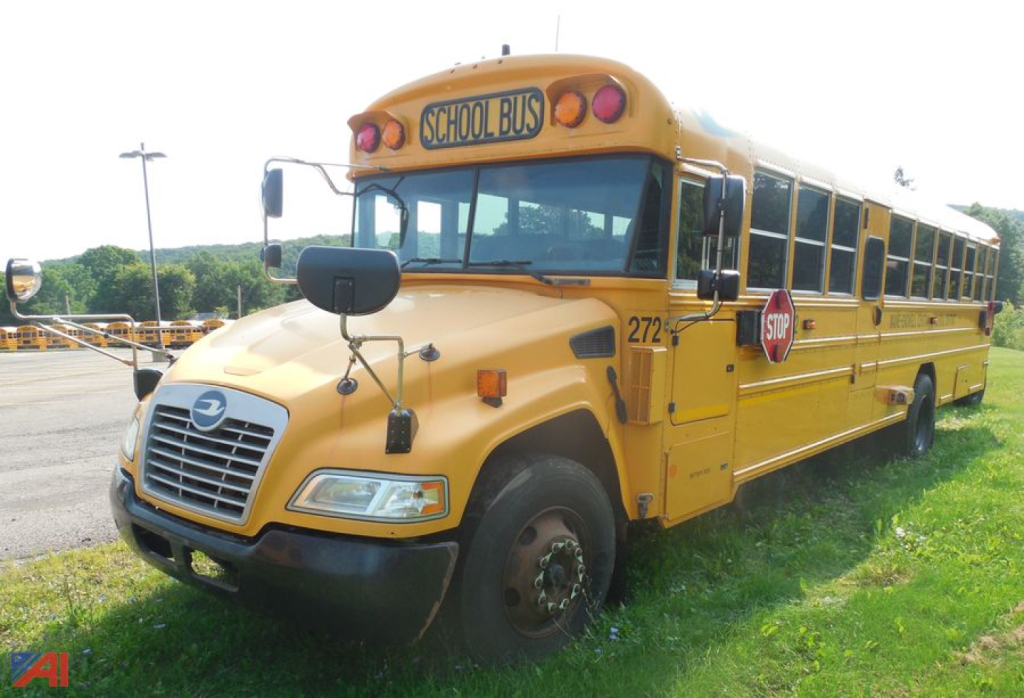
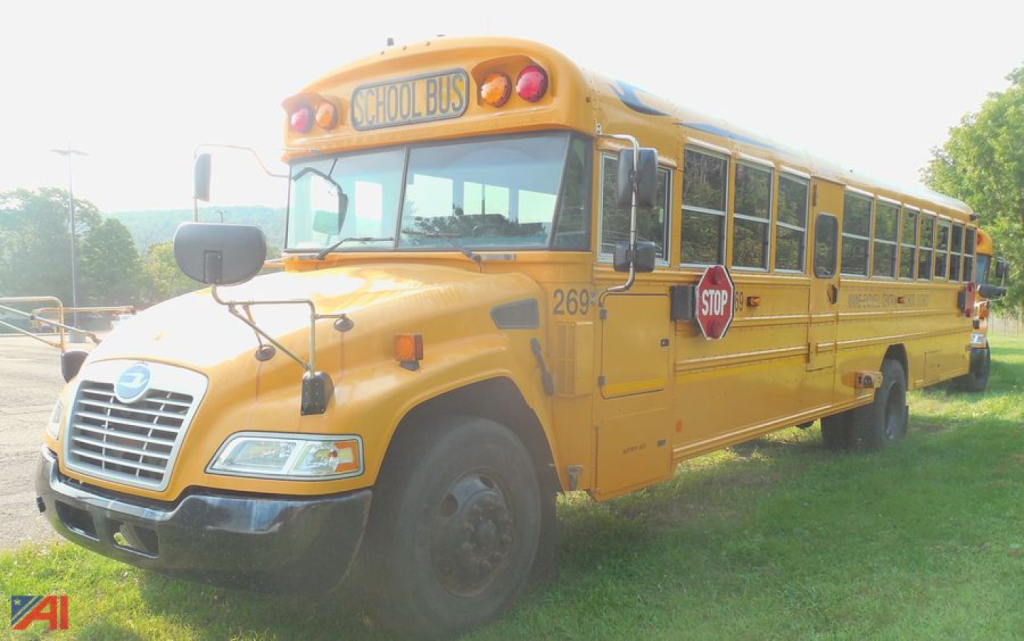
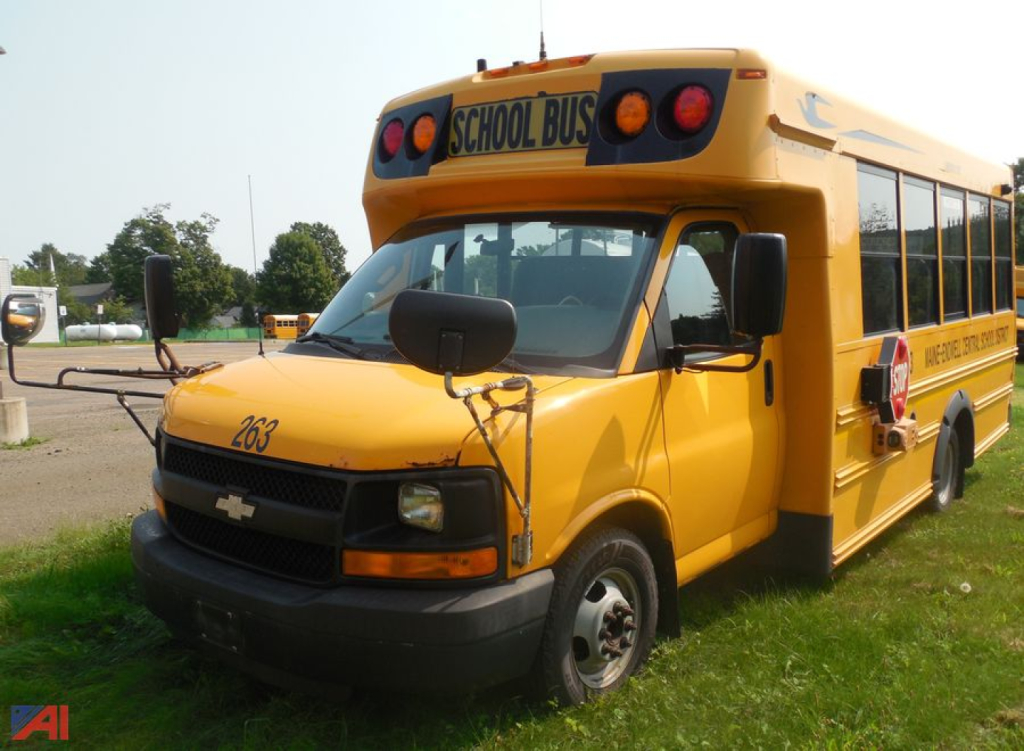
Have commercial truck to sell? List it here to reach thousands of buyers.
Commercial Trucks Near Binghamton, New York
A buyer comparing trucks in this class should pay close attention to drivetrain and operating environment. In upstate New York, corrosion, cold-weather starting, heater performance, and tire condition deserve extra scrutiny. Diesel and gas options both have a place. Diesel powertrains are often preferred for higher mileage, heavier payloads, and extended idle time, while gas engines can be simpler and less expensive to maintain in lighter-duty cycles. Transmission type, rear axle ratio, brake condition, suspension setup, and wheelbase all affect how the truck performs with a full load, in city traffic, or on hilly secondary roads around the Southern Tier.
Body and equipment specifications are what separate a general truck listing from the right truck for a revenue-producing route. Buyers looking at shuttle, paratransit, or bus-style trucks should verify seating layout, wheelchair lift operation, ADA-related equipment, interior climate control, and electrical accessories. For cargo or vocational trucks, common decision points include liftgates, PTO provision, tool storage, towing hardware, roof height, door configuration, and whether the body has been upfitted for a specific trade. Maintenance records, current inspection status, tread depth, frame condition, and signs of prior rust repair can tell you more about future cost than odometer mileage alone.
Used trucks remain a practical way to add capacity without the lead times and cost of a new build. The strongest candidates are usually the ones with a clear match between chassis rating and intended use, plus evidence of consistent service. Buyers in Binghamton often prioritize dependable cold-weather operation, straightforward parts availability, and a configuration that can go to work with minimal reconditioning. A well-matched commercial truck should have enough payload or passenger capacity for the route, enough braking and cooling for the terrain, and a body setup that supports the work instead of forcing constant compromise.
Frequently Asked Questions about Commercial Trucks Near Binghamton, New York
What should I look at first when comparing used trucks for sale in Binghamton, NY?
Start with the truck’s intended job and confirm that the GVWR, body style, wheelbase, and axle capacity match that application. After that, review drivetrain type, engine hours if applicable, transmission, brake condition, tire age, frame corrosion, and maintenance history. In the Binghamton market, rust exposure and cold-weather reliability are especially important because road salt, freeze-thaw cycles, and winter starts can affect long-term operating cost.
Is diesel or gas better for a used commercial truck?
Diesel is often the better choice for heavier loads, higher annual mileage, and applications that demand torque or long duty cycles. Gas trucks can make more sense for lighter local work, lower annual miles, and buyers focused on simpler maintenance and lower upfront cost. The better option depends on payload, route length, idle time, service access, and the emissions system complexity of the specific model year.
How important is GVWR when buying a truck?
GVWR is one of the most important specs because it determines the truck’s legal operating weight and strongly affects payload, licensing, component wear, and overall suitability for the job. A truck that is undersized for the work will wear out faster and may operate overweight, while a truck that is oversized can add unnecessary fuel and maintenance cost. Buyers should compare GVWR with curb weight, body weight, passengers or cargo, and any tools or mounted equipment the truck will carry.
What matters most on bus-style or shuttle trucks built on cutaway chassis?
On cutaway-based shuttle trucks, buyers should verify passenger capacity, wheelchair lift condition, tie-down systems, entry door operation, interior HVAC performance, and the condition of electrical accessories. Chassis items still matter just as much, especially brakes, front-end wear, cooling system condition, tire date codes, and transmission performance. These units often spend time in stop-and-go service, so evidence of regular fleet-style maintenance is a major advantage.
Are mileage and hours the best way to judge a used truck’s condition?
Mileage helps, but it is only one part of the picture. A truck with moderate miles and poor maintenance can cost more than a higher-mile unit that has complete service records and sound major components. Buyers should evaluate frame and body condition, fluid leaks, brake wear, steering play, suspension condition, tire wear patterns, and signs of deferred repairs. Consistent maintenance history and a configuration that fits the intended work usually matter more than mileage alone.