
Trucks For Sale Near Baytown, Texas

Have truck to sell? List it here to reach thousands of buyers.
Trucks Near Baytown, Texas
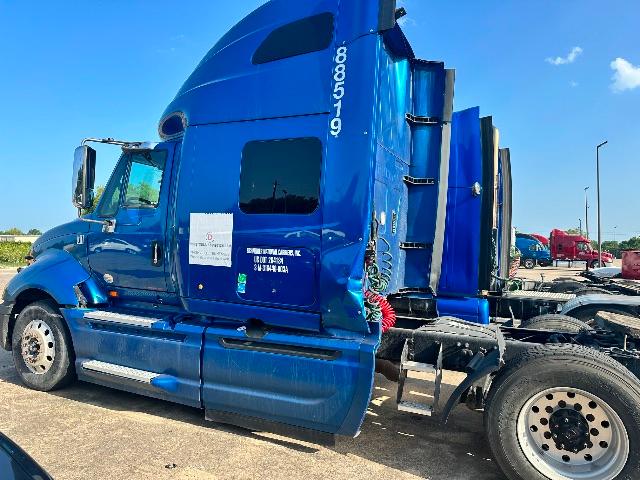
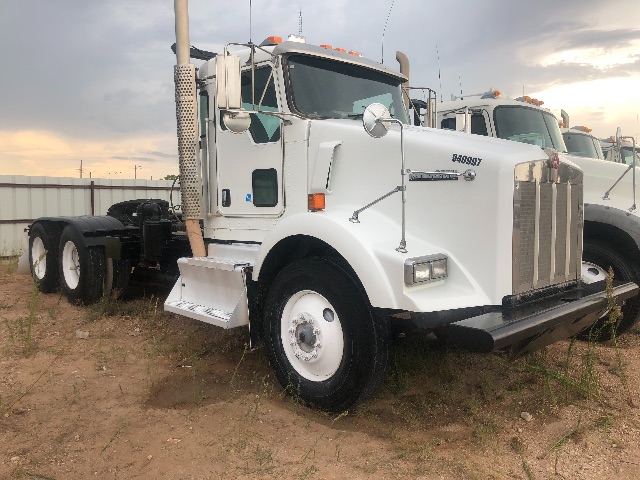
A day cab is usually the right fit for short-haul and dedicated routes where maneuverability, lower tare weight, and easier yard access matter more than driver accommodations. Wheelbases in the mid-170-inch range are common on non-sleeper conventionals, and they pair well with sliding fifth wheels for fleets that change trailer settings across different loads. Sleeper trucks, especially raised-roof models with 60-inch to 72-inch sleepers, are built for over-the-road service where fuel capacity, driver comfort, and aerodynamics have a direct impact on utilization. Popular specs in this class include 405 to 455 horsepower engines, engine brakes, 2.41 to 3.25 rear axle ratios, and automated transmissions such as the Volvo I-Shift or Detroit DT12.
For buyers in Southeast Texas, application matters as much as brand. Trucks working around Baytown, Houston, and the Gulf Coast often need dependable cooling performance, strong air conditioning, corrosion awareness, and gearing that matches mixed highway and stop-and-go operation. A lower numerical ratio such as 2.41 generally favors fuel economy in linehaul service, while a 3.25 ratio can be more practical for heavier starts, tighter routing, or vocational use. Disc brakes, collision mitigation systems, cab extenders, roof fairings, and dual aluminum fuel tanks are all worth noting because they affect operating cost, safety, and resale appeal.
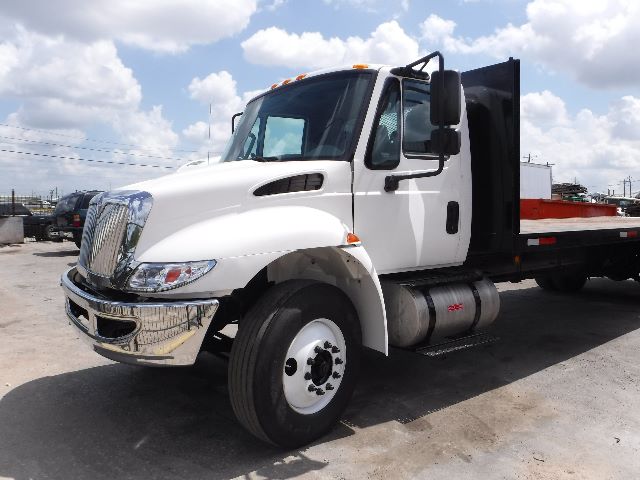
The best truck choice comes down to matching spec to freight. Buyers should look closely at engine family, transmission model, rear axle rating, suspension type, and wheelbase before comparing cosmetics. For tractors, fifth wheel type, fairing package, and sleeper configuration should line up with trailer length, kingpin settings, and lane profile. For straight trucks and flatbeds, body condition, frame integrity, and payload suitability are just as important as powertrain. A properly spec'd truck will work harder, consume less fuel in its intended duty cycle, and hold its value better over time.
Frequently Asked Questions about Trucks Near Baytown, Texas
What is the difference between a day cab and a sleeper truck?
A day cab is a non-sleeper tractor designed for local and regional hauling where the driver returns home or to a terminal without needing onboard living space. A sleeper truck includes a built-in compartment behind the cab, often in raised-roof configurations, for long-haul use. Day cabs usually offer lower weight, tighter turning, and simpler packaging, while sleepers provide better driver comfort, more fuel capacity options, and stronger suitability for over-the-road freight.
What axle ratio is best for a used highway truck?
The best axle ratio depends on duty cycle, terrain, gross weight, and transmission spec. Ratios like 2.41 or 2.64 are common in fuel-efficient highway tractors that spend most of their time at cruising speed with automated transmissions. A ratio such as 3.25 is better suited to heavier starts, more frequent stop-and-go work, or applications where gradeability matters more than top-end fuel economy. Buyers should match the ratio to the engine torque curve, tire size, and expected load profile.
Why do many modern trucks use automated manual transmissions?
Automated manual transmissions have become standard in many fleet-spec trucks because they improve shift consistency, reduce driver fatigue, and help protect the driveline from poor shifting habits. Models such as the Volvo I-Shift and Detroit DT12 are widely used in highway service because they balance fuel economy with ease of operation. For many buyers, they also make it easier to hire drivers and simplify training compared with a traditional manual transmission.
What should I inspect first when comparing used trucks?
Start with the core mechanical and structural items that determine uptime and lifecycle cost. Engine platform, fault history, transmission model, rear axle rating, suspension condition, brake type, and wheelbase should be reviewed before cosmetic details. On tractors, inspect the fifth wheel, frame rails, fairings, and signs of uneven tire wear. On straight trucks and flatbeds, pay close attention to frame condition, body mounting, deck wear, and any evidence of overloading or corrosion.
Are aerodynamic features important on a truck?
Aerodynamic equipment matters most on highway trucks that spend long hours at interstate speed. Roof fairings, side fairings, cab extenders, and quarter fenders can help reduce drag, improve fuel economy, and keep the tractor cleaner in service. On a regional or long-haul sleeper tractor, those gains can be meaningful over time. On local vocational trucks, the benefit is usually smaller, so durability and application-specific spec often take priority.