
Trucks For Sale Near Baltimore, Maryland
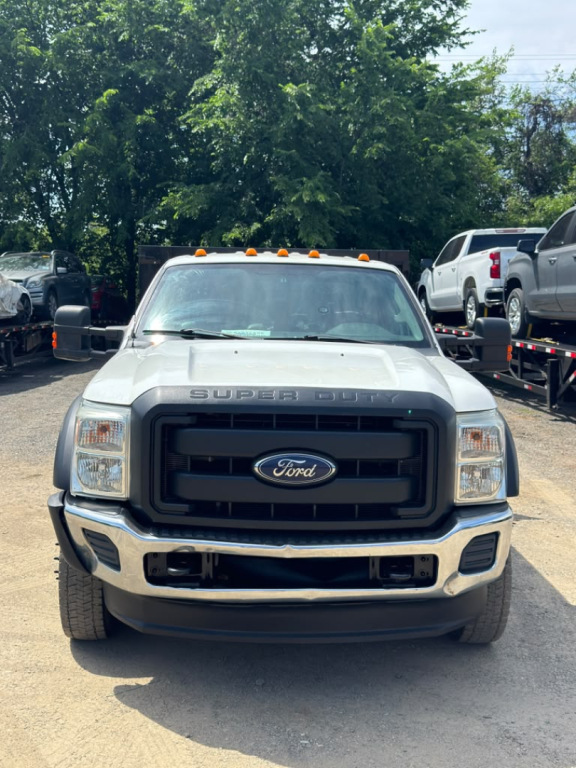
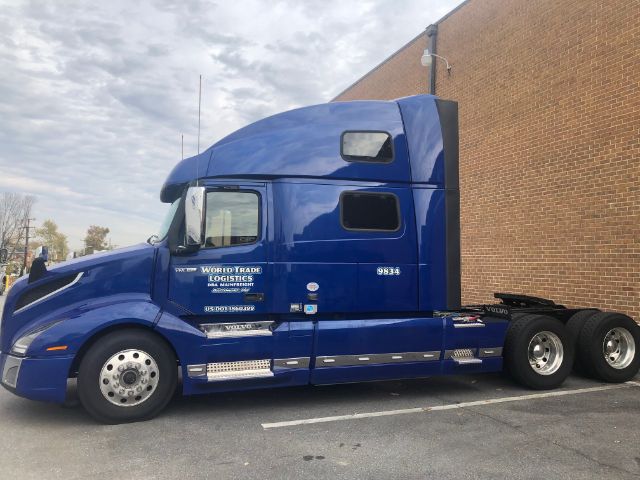
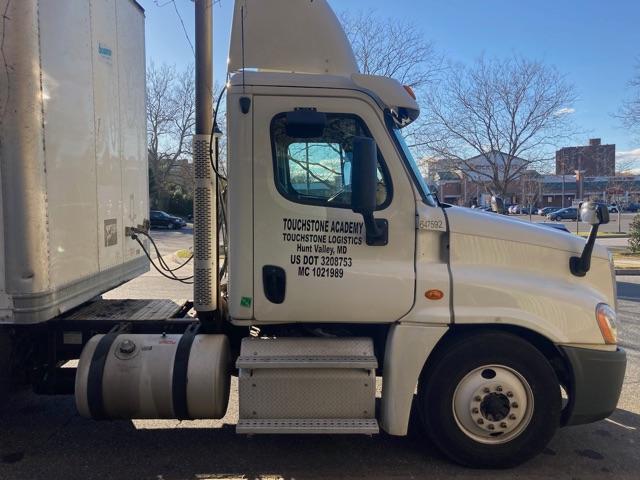
Browse trucks for sale in Baltimore, Maryland including sleepers, flatbeds, tow trucks, and cab & chassis units for regional or vocational work.
Learn more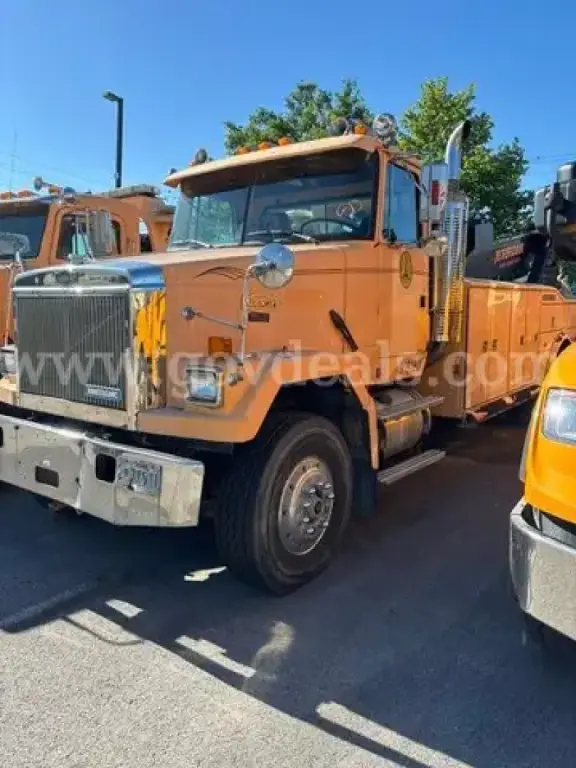
Have truck to sell? List it here to reach thousands of buyers.
About Trucks Near Baltimore, Maryland
For over-the-road and regional hauling, common choices include conventional day cabs and sleeper tractors with diesel engines from Cummins, Detroit, Paccar, Volvo, or Navistar, often paired with automated manual or traditional manual transmissions. Buyers comparing highway trucks should pay close attention to mileage, idle hours, emissions system history, rear axle ratio, suspension type, and fuel capacity. Interior specs matter too on sleeper models, especially bunk layout, inverter setup, auxiliary power options, refrigerator space, and driver comfort features. In a Mid-Atlantic operating area, turning radius, bridge and tunnel routing, and fuel economy on dense corridor traffic can matter as much as raw horsepower.
Vocational and medium-duty trucks bring a different checklist. Flatbeds are often selected by bed length, payload, tie-down flexibility, and chassis class, while tow trucks are judged by boom or wheel-lift capacity, PTO operation, hydraulic condition, and frame integrity. Cab and chassis trucks are bought as platforms, so wheelbase, cab-to-axle measurement, frame rail condition, PTO provisions, and front axle capacity are critical because they determine what body can be installed correctly. Buyers in and around Baltimore also tend to consider rust exposure, brake condition, and suspension wear closely due to heavy urban use, winter road treatment, and stop-and-go duty cycles.
Across all truck categories, service records, DOT inspection status, tire condition, brake life, and signs of frame or cab corrosion deserve close review. Diesel buyers should verify engine family, aftertreatment configuration, and any recent work on DPF, SCR, EGR, turbo, injectors, or transmission components. A truck can look right on paper and still be wrong for the route, trailer, or body plan if the gearing, wheelbase, or axle ratings do not match the job. The best buying decisions come from matching the truck’s actual spec to the freight, territory, and annual mileage it is expected to handle.
Frequently Asked Questions
What types of trucks are commonly sold in the Baltimore, Maryland market?
The Baltimore market typically includes highway tractors, sleeper trucks, day cabs, flatbeds, tow trucks, and cab and chassis units. That mix reflects the region’s port activity, warehouse freight, construction demand, municipal use, and local delivery work. Buyers often find both heavy-duty tractors for interstate hauling and medium-duty vocational trucks for urban and regional service.
What should I check first when comparing used trucks for sale?
Start with the truck’s intended application, then verify the hard specs that support it. Key items include axle configuration, GVWR or GCWR, wheelbase, engine horsepower and torque, transmission type, rear axle ratio, suspension, and brake setup. After that, review maintenance records, mileage, engine hours, emissions repairs, DOT inspection status, tire condition, and signs of corrosion or frame damage.
Why does wheelbase matter on a truck purchase?
Wheelbase affects body fitment, turning radius, weight distribution, ride quality, and bridge law planning. On a cab and chassis truck, wheelbase and cab-to-axle measurement determine what body length can be installed properly. On a tractor, wheelbase can influence maneuverability in tight terminals and city streets, which matters in dense freight corridors and urban delivery environments.
Are automated manual transmissions common in used highway trucks?
Yes. Many late-model highway tractors use automated manual transmissions because they simplify driver operation, help with consistency, and can support fuel economy goals. Buyers should still confirm clutch history, calibration status, software updates, and how the transmission was used in service, especially in heavy stop-and-go regional work where driveline wear can differ from long-haul operation.
What matters most when buying a cab and chassis truck?
The most important factors are frame condition, wheelbase, cab-to-axle dimension, axle ratings, PTO capability, and whether the chassis is correctly matched to the body you plan to install. A buyer should also confirm the engine and transmission are suitable for the final application, since a chassis built for light regional work may not be ideal for a heavier rollback, dump, or equipment body.