
Commercial Trucks For Sale Near Baldwin, Georgia

Have commercial truck to sell? List it here to reach thousands of buyers.
Commercial Trucks Near Baldwin, Georgia
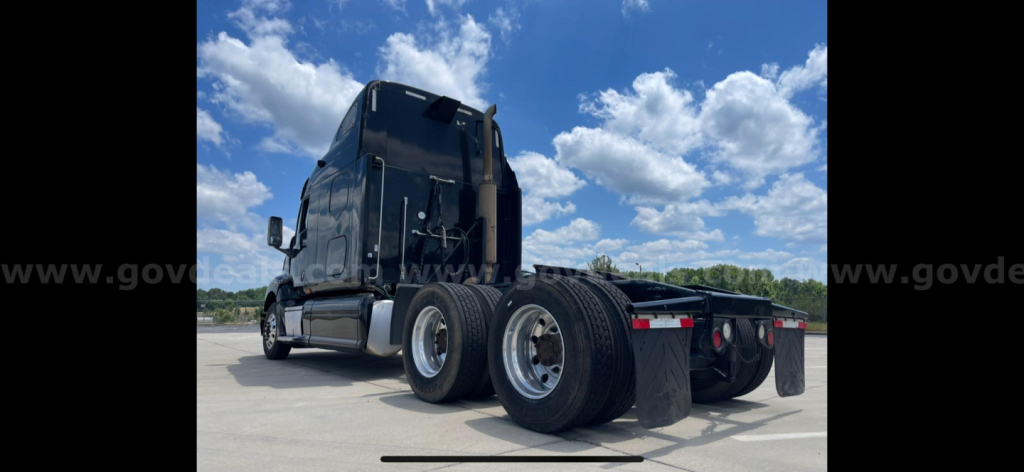
In this category, common heavy-duty truck choices include tandem axle tractors with diesel engines from well-known platforms such as Detroit, Cummins, Volvo, Paccar, or Caterpillar in older units. Buyers comparing sleeper tractors often focus on mileage, emissions system history, transmission setup, and rear axle gearing because those directly affect fuel economy, highway speed, and maintenance cost. Day cabs make sense for port, local, and regional work where lower weight and tighter maneuvering matter more than bunk space. Sleeper trucks are better suited for irregular routes, longer dispatches, and operations that need legal rest capability in the cab.
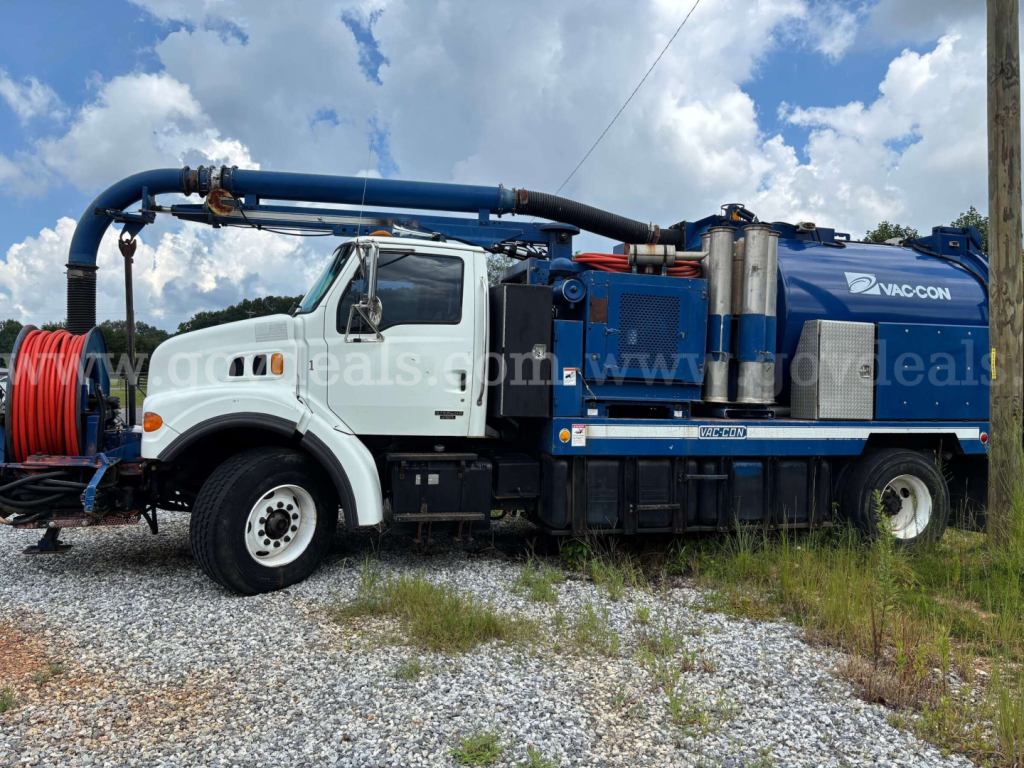
Cab and chassis trucks deserve a closer look than many buyers give them. Frame rail dimensions, back-of-cab to end-of-frame measurement, crossmember condition, and available PTO openings determine whether a truck is a good candidate for a dump body, service body, tanker, vacuum system, rollback, or other vocational equipment. If the truck already carries specialty gear, inspect hydraulic function, pump hours where applicable, body manufacturer support, and the condition of wear items such as tanks, booms, hoses, and controls. On used vocational trucks, body condition can be just as important as the truck itself because replacement upfit cost can quickly change the economics of the purchase.
Georgia buyers often balance highway use, municipal work, construction demand, and agricultural hauling, so versatility matters. Look closely at rust patterns, brake type, tire size, suspension, and title or registration class if the truck may move between different jobs. A solid used truck should be matched to gross vehicle weight rating, trailer requirements, route profile, and service access in your area. The right choice is usually the truck with the clearest fit for your load, axle needs, and maintenance plan, not simply the newest model year.
Frequently Asked Questions about Commercial Trucks Near Baldwin, Georgia
What should I look at first when buying a used truck?
Start with the truck’s intended application, then verify the core spec supports that job. For a tractor, that means engine rating, transmission, axle configuration, wheelbase, and sleeper or day cab layout. For a vocational truck, focus on frame strength, PTO compatibility, axle ratings, suspension, and the condition of the installed body or equipment. After that, review maintenance records, engine hours if available, emissions system history, tire and brake condition, and any signs of frame damage or poor repairs.
What is the difference between a day cab and a sleeper truck?
A day cab is a tractor without a bunk and is usually lighter, shorter, and easier to maneuver in local or regional service. A sleeper truck includes a bunk area behind the seats for rest breaks and over-the-road use. The best choice depends on haul length, driver scheduling, weight sensitivity, and how much space is needed in the cab. Sleeper tractors are common in long-haul freight, while day cabs are more common in dedicated, port, and regional operations.
Why does a cab and chassis truck need different measurements than a tractor?
A cab and chassis truck is often purchased to carry a body or specialized equipment, so fitment is critical. Buyers need to confirm frame rail spacing, axle placement, wheelbase, and back-of-cab to end-of-frame dimensions before installing a dump body, service body, vacuum system, tanker, or rollback. PTO access, fuel tank placement, exhaust routing, and suspension clearance also matter because they affect whether the upfit can be installed correctly and legally.
Are miles the most important factor on a used truck?
Mileage matters, but it is only one part of the evaluation. A well-maintained truck with higher miles can be a better purchase than a lower-mile truck with poor service history, emissions problems, or signs of hard vocational use. Engine hours, idle time, maintenance intervals, clutch or transmission work, suspension wear, and differential condition often tell more about remaining life than the odometer alone. On vocational trucks, body and hydraulic system condition can outweigh mileage in overall value.
How do I match a truck to my operation in Georgia?
Match the truck to your route profile, legal weight needs, and service environment. Regional highway work may favor aerodynamic tractors with fuel-efficient gearing, while construction, municipal, and utility work may require heavier front axles, vocational suspensions, PTO capability, and shorter wheelbases. In Georgia, buyers also tend to consider heat, stop-and-go duty cycles, and access to local parts and service support. The most practical truck is the one that fits your load, terrain, and maintenance resources without unnecessary complexity.