
Commercial Trucks For Sale Near Bainbridge, New York
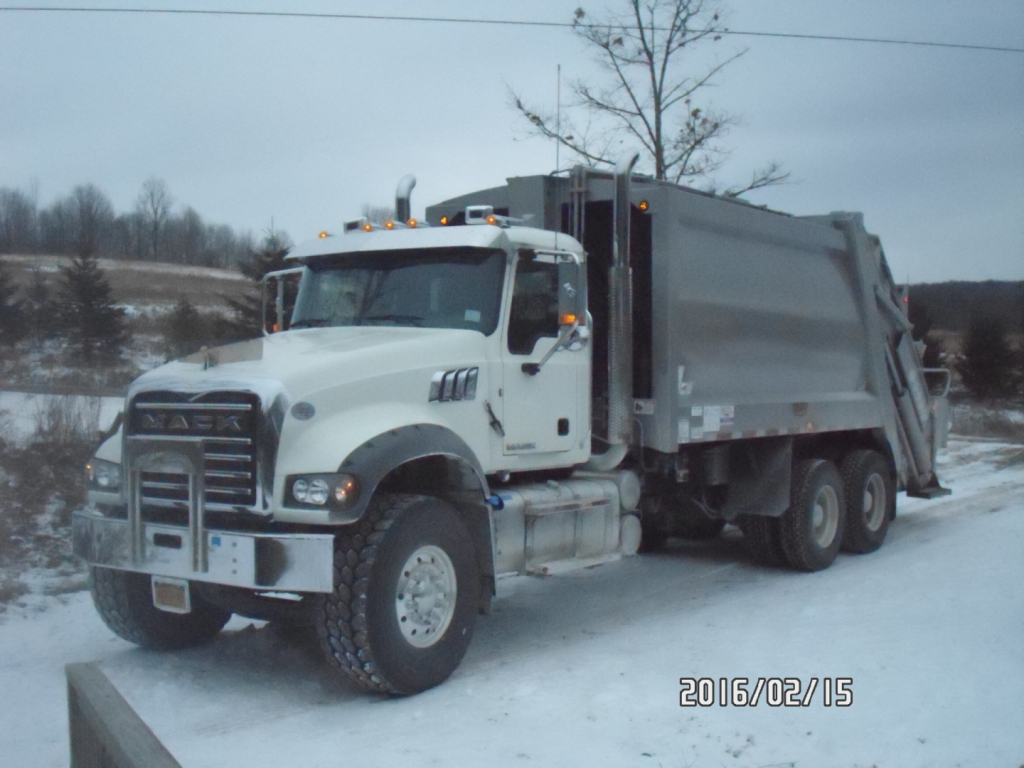
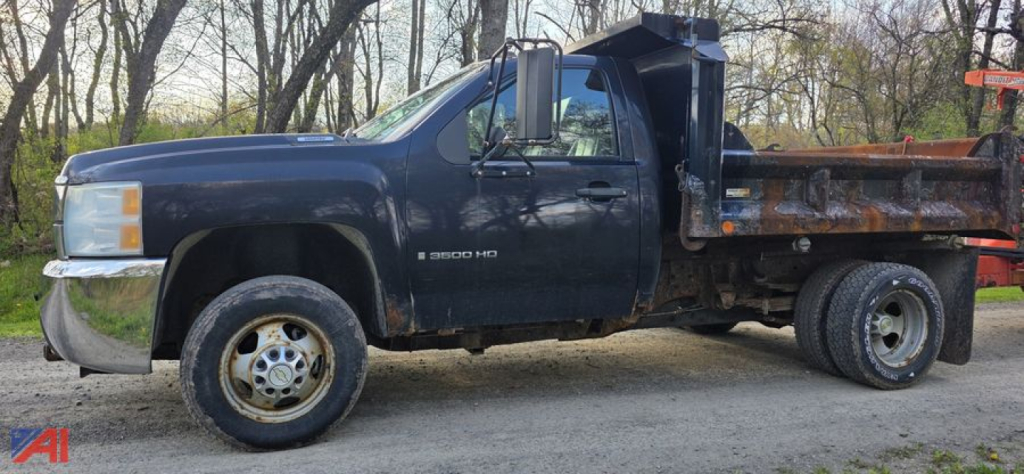
Have commercial truck to sell? List it here to reach thousands of buyers.
Commercial Trucks Near Bainbridge, New York
The first decision is usually size class. A Class 3 to Class 5 dump truck is easier to maneuver on residential routes, tight job sites, and local municipal work. These trucks are often chosen for light material hauling, patch crews, and snow work. A heavier Class 7 or Class 8 vocational truck brings higher GVWR, larger dump bodies, stronger hoists, and better payload potential, but it also adds operating cost, turning radius, and licensing considerations. In upstate New York, corrosion matters as much as mileage. Inspect cab corners, dump body crossmembers, hoist mounts, brake and fuel lines, wiring, spreader connections, and plow frame attachment points. On a used dump truck, rust and hydraulic condition can tell you more than the odometer.
Buyers should also match the truck to the body and hydraulic system, not just the badge on the hood. Look at dump body length, side height, floor thickness, PTO operation, cylinder type, and whether the truck has central hydraulics for a plow, sander, or tailgate spreader. Suspension choice affects both payload and ride quality. Spring suspension is common on vocational trucks for durability and stability under load, while 4x4 drivetrains are valuable for winter service and soft ground but usually reduce payload and increase maintenance cost. Engine and transmission combinations vary widely, so it is worth checking horsepower, torque, rear axle ratio, and transmission type against the work cycle. A local delivery or municipal truck has very different needs than a truck spending long days hauling stone or asphalt.
A good truck in this category should be evaluated as a complete work package. That includes the truck chassis, body, hoist, hydraulics, electrical system, and any plow or spreader gear. Service records matter, especially for diesel emissions systems, transmission repairs, injector work, and hydraulic leaks. Tire condition, brake life, PTO engagement, tailgate function, and frame integrity are all core buying points. For buyers comparing trucks for sale in Bainbridge, the best value usually comes from choosing the right spec for the job rather than the newest model year. A properly spec'd used work truck can deliver strong uptime if the frame, hydraulics, axle ratings, and body condition match the demands of the route.
Frequently Asked Questions about Commercial Trucks Near Bainbridge, New York
What type of truck is most common for local hauling and plowing work?
Local hauling and plowing work is commonly handled by dump trucks, including pickup-based dump bodies on 3500 or 4500 chassis and larger vocational dump trucks on heavy-duty frames. The right choice depends on payload, route size, and equipment needs. Smaller trucks are easier to maneuver on town roads and residential streets, while larger dump trucks offer more body capacity, stronger hoists, and better durability for repeated hauling cycles.
What should I inspect first on a used dump truck in New York?
Start with the frame, dump body, and hydraulic system. In New York, winter road salt can accelerate corrosion, so inspect the frame rails, crossmembers, cab mounts, brake lines, wiring, and plow attachment areas closely. Then confirm that the PTO engages correctly, the hoist lifts smoothly under load, the tailgate operates properly, and there are no major leaks in the hydraulic system. Rust, body damage, and poor hydraulic performance can be more expensive to correct than normal engine wear.
Is a pickup-based dump truck enough, or do I need a heavy-duty vocational truck?
A pickup-based dump truck is often enough for light material hauling, maintenance crews, landscaping, and snow work where maneuverability matters more than maximum payload. A heavy-duty vocational truck is the better fit for aggregate, demolition debris, asphalt, and repeated high-weight hauling. Buyers should compare GVWR, axle ratings, body size, and local operating conditions before deciding. The job usually determines the correct class more than the brand does.
Does a plow-equipped truck need different specs than a standard dump truck?
Yes. A plow-equipped truck needs enough front axle capacity to support the plow assembly and any front-mounted hardware without overloading the axle. It should also have the right hydraulic or electrical provisions for plow controls, lighting, and auxiliary equipment. Trucks used for winter service benefit from robust charging systems, durable suspension components, and close inspection of the front frame horns, steering components, and undercarriage because snow duty adds wear in ways standard dump use may not.
Which specs matter most when comparing used work trucks?
The most important specs are GVWR, front and rear axle ratings, body size, hoist design, drivetrain, engine and transmission pairing, and any PTO or hydraulic setup. For dump trucks, buyers should also look at floor thickness, side construction, suspension type, and tire condition. If the truck will be used for plowing or municipal work, compatibility with spreaders, central hydraulics, and snow equipment can be just as important as engine power or mileage.