
Trucks For Sale Near Austin, Texas
Browse trucks for sale in Austin, Texas, including vocational and commercial models with diesel power, varied GVWRs, and job-specific upfits.
Learn moreNo exact matches found for your search
Showing Trucks in Texas instead.
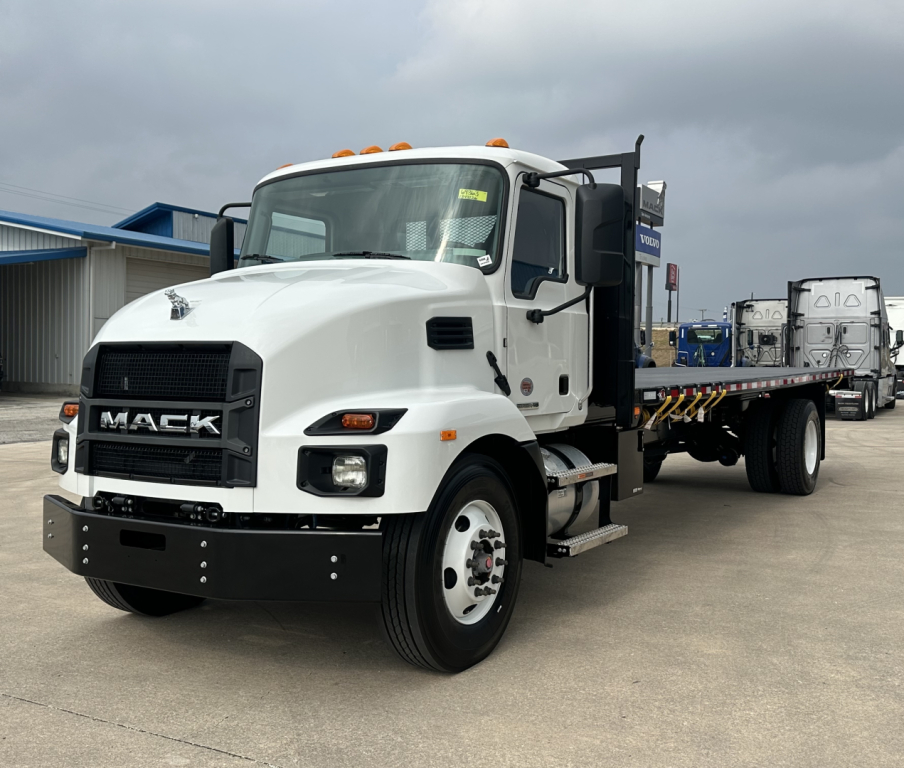

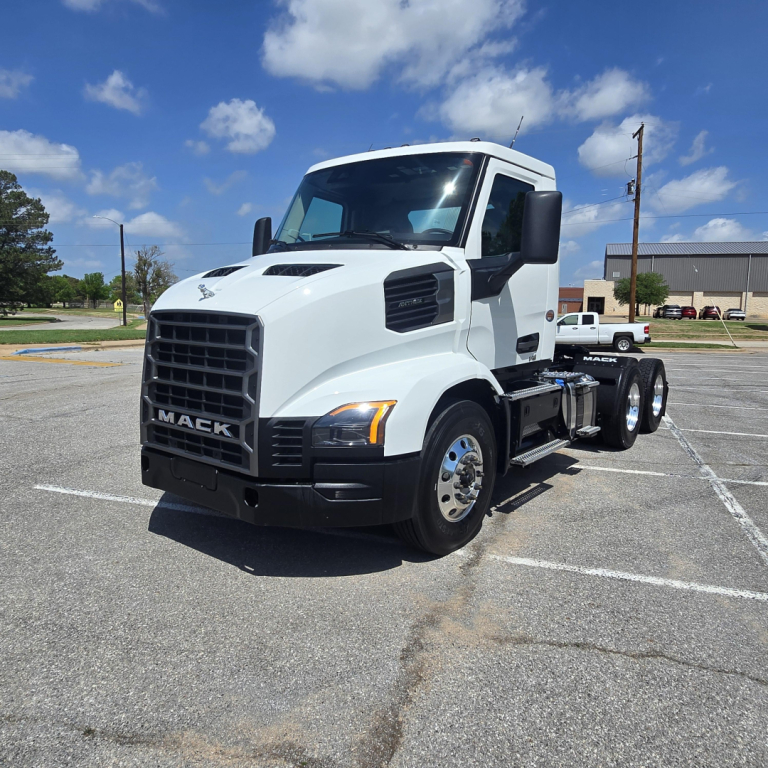
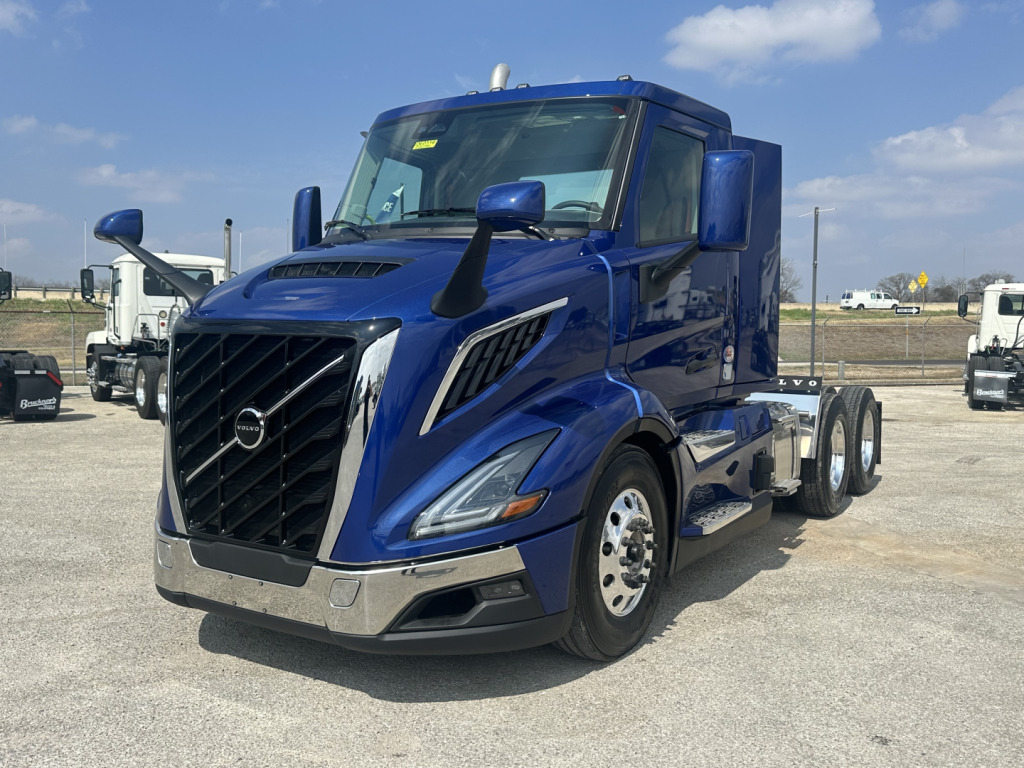
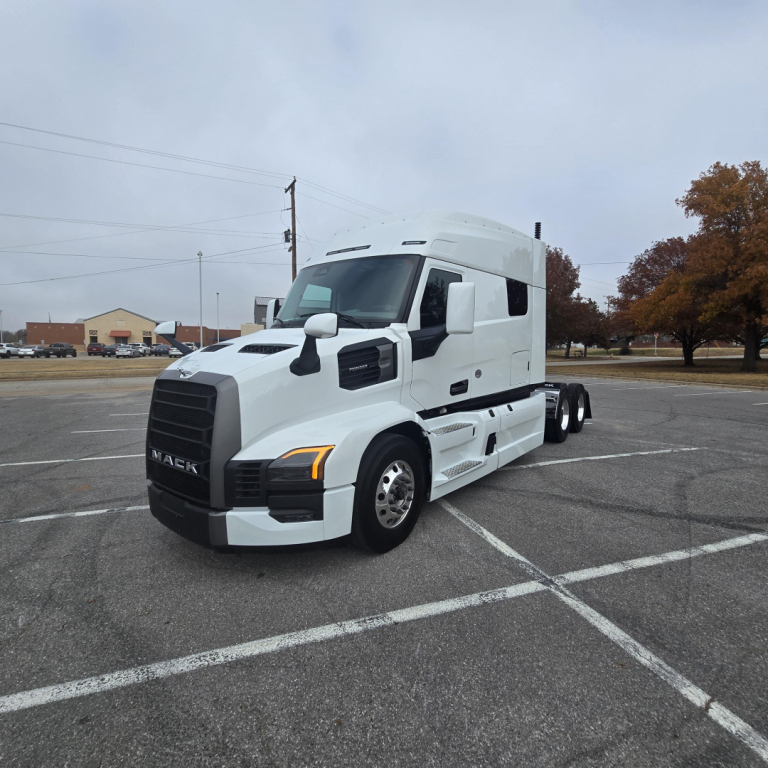
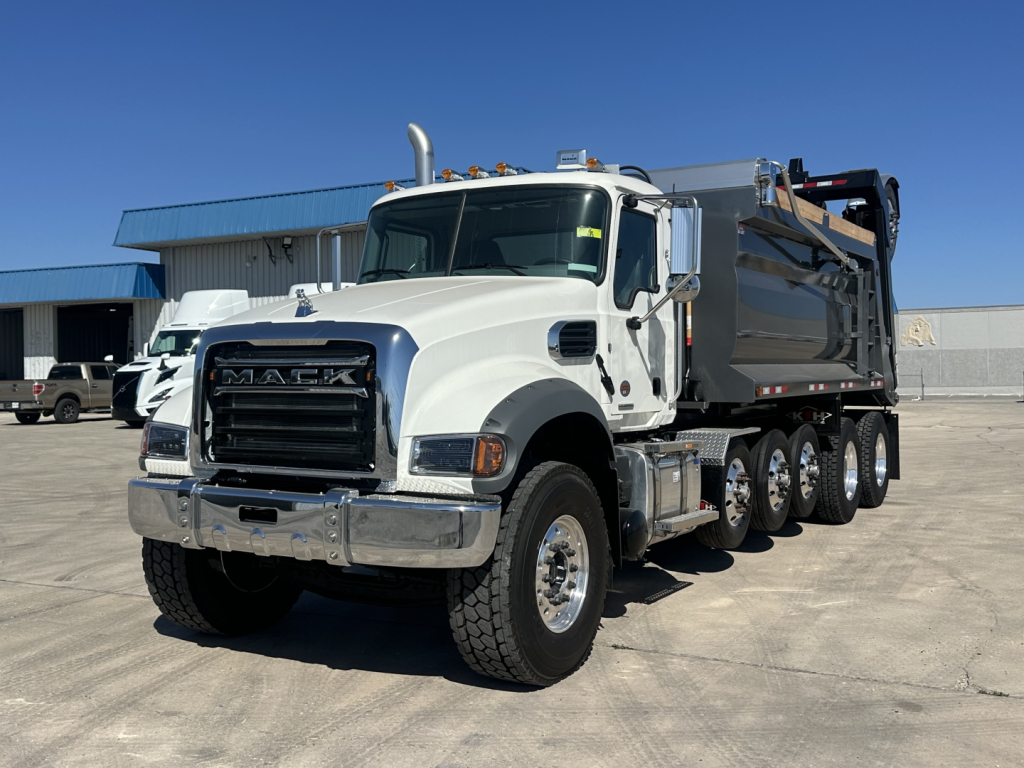
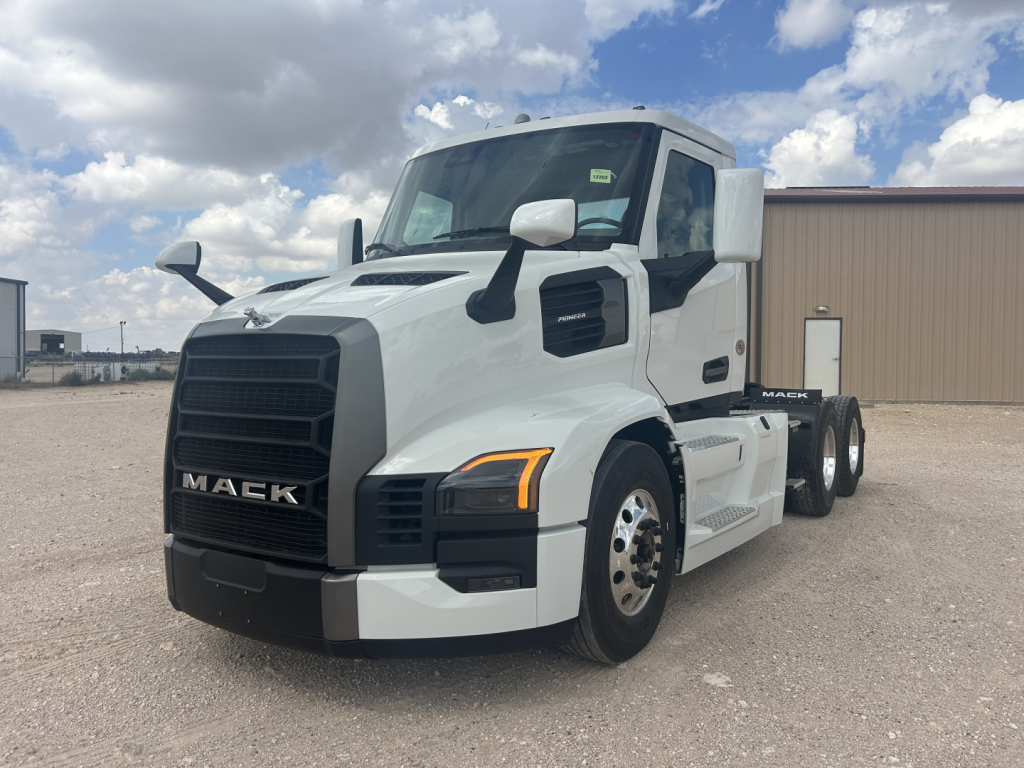
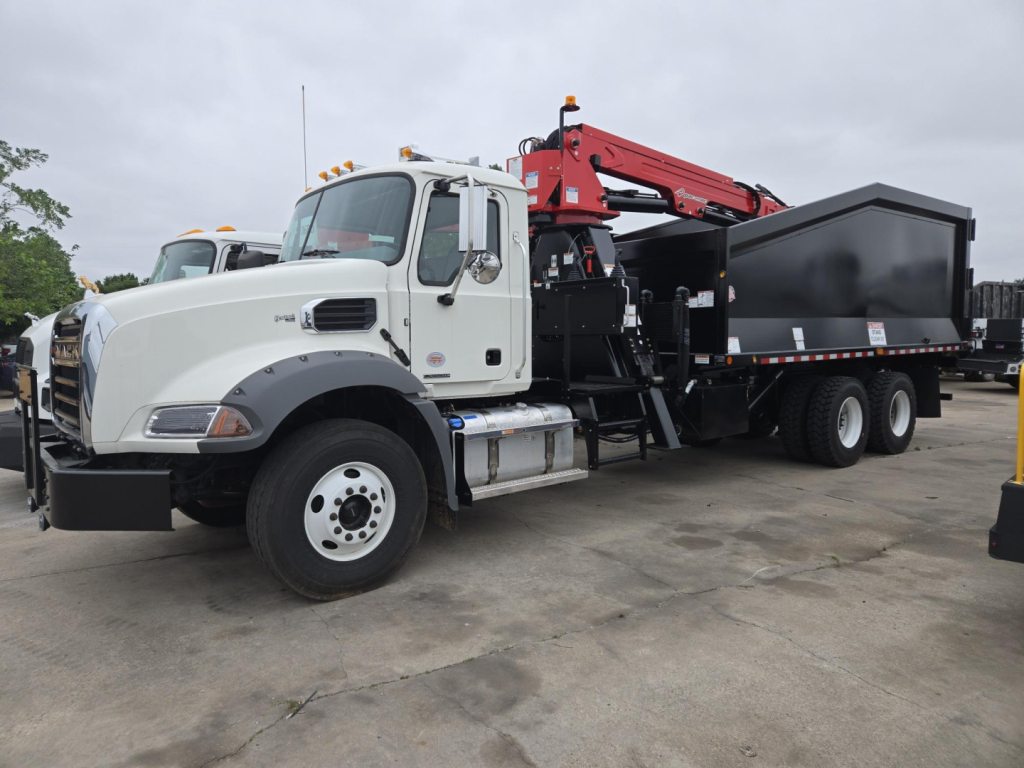
Showing 457 to 468 of 560 results
Have truck to sell? List it here to reach thousands of buyers.
About Trucks Near Austin, Texas
One of the biggest buying decisions is matching chassis capacity to the job. Payload, towing requirement, wheelbase, suspension rating, PTO capability, and brake setup matter more than paint or trim. Buyers should also pay close attention to cab-to-axle measurement, frame condition, body mounting, and any signs of corrosion, especially on older vocational trucks with utility beds, buckets, dumps, or flatbeds. Transmission choice is another key factor. Automatic transmissions dominate many municipal and utility applications because they reduce driver fatigue and simplify operation, while automated manual and manual options still appeal in certain heavy vocational uses.
In central Texas, heat, stop-and-go traffic, and mixed highway use make cooling system condition, air conditioning performance, tire condition, and idle history worth checking closely. A truck working in construction or utility service may have lower road miles but much higher engine hours and PTO hours, which can tell a more accurate story than odometer readings alone. Buyers comparing used commercial trucks should review service records, brake wear, suspension components, hydraulic systems, emission system history, and any electronic fault codes. On body-equipped units, inspect the upfit as carefully as the chassis. Bucket mechanisms, outriggers, tool compartments, pumps, hoists, lift cylinders, and electrical controls can drive repair cost faster than the engine.
The broad truck market also means resale and parts support should stay in the conversation. Freightliner, Ford, Chevrolet, International, Kenworth, Peterbilt, Mack, and Isuzu all have strong use cases depending on class and body type, but local dealer access and service familiarity can matter just as much as badge preference. Buyers looking at trucks for sale should focus on duty cycle, legal weight compliance, maintenance history, and how easily the unit can be integrated into an existing fleet. A truck that is correctly spec'd for the route, load, and body application will usually outperform a newer unit that is simply cheaper on paper.
Frequently Asked Questions
What should I look for first when buying a used truck?
Start with the truck's intended job and confirm the chassis is rated for it. Check GVWR, axle ratings, wheelbase, engine type, transmission, suspension, and brake configuration before getting into cosmetic details. If the truck has a vocational body or specialty upfit, inspect that equipment closely because hydraulic, electrical, and structural repairs can become expensive quickly.
Are engine hours important on used vocational trucks?
Yes. Engine hours often matter as much as, or more than, mileage on trucks used for utility, municipal, construction, or service work. A truck can show relatively low miles but still have significant wear from idling, PTO operation, and stop-and-go duty cycles. Reviewing engine hours, PTO hours, and maintenance history gives a better picture of actual use.
Is a diesel truck always the better choice for commercial work?
Not always. Diesel is typically preferred for higher GVWR applications, heavier towing, frequent highway use, and jobs that demand strong low-end torque. Gas engines can be a practical choice for lighter duty commercial use because they often cost less up front and may reduce maintenance complexity. The better option depends on payload, route length, idle time, and annual usage.
What matters most on a truck with a body upfit like a bucket, dump, or service body?
The body and mounted equipment need the same level of inspection as the chassis. Look at frame integrity, mounting points, corrosion, hydraulic leaks, PTO engagement, cylinder condition, wiring, controls, and safety equipment. On bucket trucks in particular, buyers should review lift operation, boom condition, outrigger function, and any available inspection or certification records.
How important is local parts and service support when comparing truck brands?
It is a major factor, especially for working trucks that cannot afford downtime. A brand with strong local dealer coverage, available parts, and technicians familiar with the engine, transmission, and body equipment can lower repair delays and simplify fleet maintenance. That practical support often has more day-to-day value than minor differences in purchase price.