
Commercial Trucks For Sale Near Auburn, Kansas
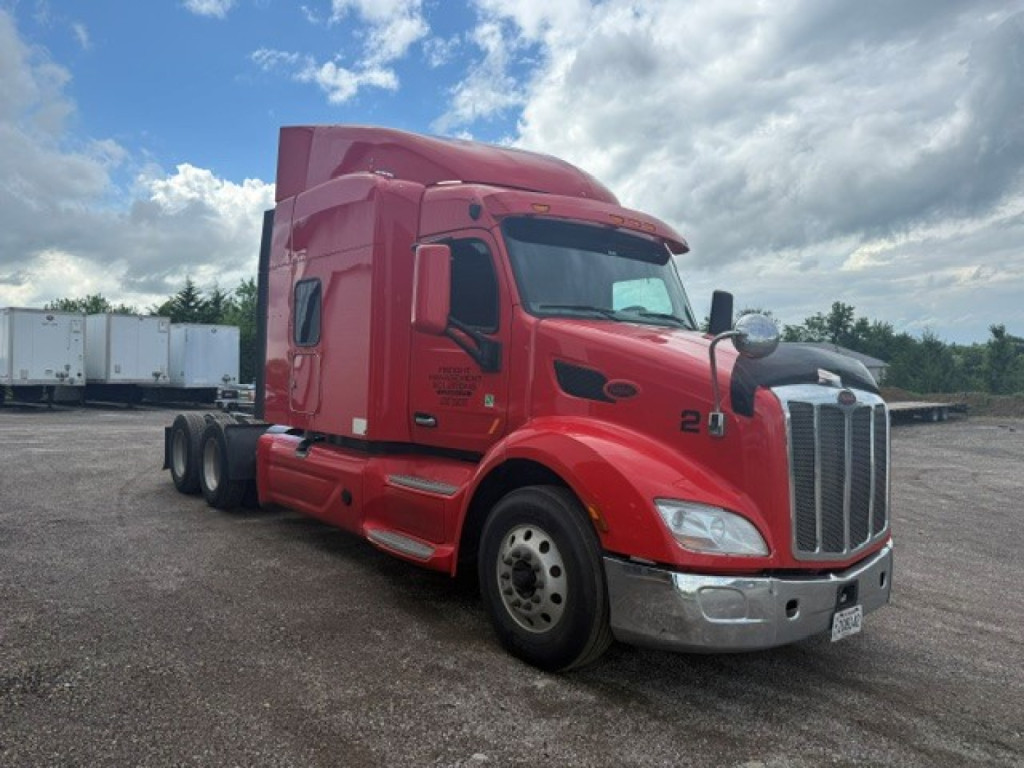
Have commercial truck to sell? List it here to reach thousands of buyers.
Commercial Trucks Near Auburn, Kansas
For highway tractors, the main split is usually between day cabs and conventional sleepers. Sleeper trucks are built for longer runs and driver comfort, with cab configurations that support overnight use and extended dispatch cycles. Key specs to compare include engine make and horsepower, torque rating, automated or manual transmission, rear axle ratio, suspension type, and gross vehicle weight rating. Buyers should also pay attention to sleeper size, fairing condition, fifth wheel setup, fuel capacity, and maintenance records tied to emissions components such as the DPF, DEF system, and EGR. A truck that spent its life pulling dry van or reefer freight may be spec'd very differently than one used in heavier bulk or flatbed service.
For buyers looking beyond the cab, axle configuration and intended load matter as much as engine badge. A 6x4 tractor remains the standard choice for general freight and all-weather traction, while a 6x2 can offer fuel savings in the right lane and weight profile. Wheelbase affects trailer clearance, ride quality, and maneuverability. Front axle capacity, tandem ratings, and kingpin setting all influence how the truck handles loaded trailers and how easily it can stay legal on bridge formulas and state weight limits. Interior condition also matters more than many first-time buyers expect, because seat wear, dash function, HVAC performance, and bunk equipment can tell you a lot about how the truck was treated.
A strong truck purchase is usually the result of matching spec to route, freight, and maintenance budget. Long-haul buyers often prioritize aerodynamics, larger sleepers, and fuel range. Regional operators may lean toward lighter specs, tighter wheelbases, and simplified options that reduce downtime. Vocational buyers may focus on PTO capability, frame strength, and axle ratings. Across all categories, it pays to review service history, miles versus engine hours, tire condition, brake wear, and signs of suspension or driveline fatigue. The best truck for sale is not just the newest or lowest-priced unit. It is the one with the right configuration for the work it needs to do.
Frequently Asked Questions about Commercial Trucks Near Auburn, Kansas
What should I look for first when comparing trucks for sale?
Start with the truck's intended job. The right application determines cab style, wheelbase, engine rating, transmission, axle setup, and suspension. A sleeper tractor for long OTR freight needs a different spec than a day cab for regional lanes or a vocational truck for construction and farm use. After application, focus on maintenance history, mileage and engine hours, emissions system condition, and whether the chassis ratings match your expected payload and trailer type.
Is a sleeper truck better than a day cab?
A sleeper truck is better for long-distance freight that keeps the driver on the road overnight, while a day cab is usually the better fit for local and regional work. Sleepers add weight and cost, but they improve driver comfort, storage, and route flexibility. Day cabs are lighter, simpler, and often easier to maneuver in tight spaces. The better choice depends on length of haul, driver schedule, and how often the truck will be parked away from home base.
How important are axle ratio and transmission choice on a used truck?
Axle ratio and transmission choice directly affect fuel economy, startability, cruising RPM, and how well the truck performs with your freight. A faster rear ratio may help efficiency on open highway runs, while a deeper ratio can improve pulling power in heavier applications or hillier terrain. Automated manual transmissions are common in late-model highway trucks because they support fuel savings and driver consistency, but some buyers still prefer manual transmissions for specific routes or operating styles. These specs should be matched to tire size, engine torque, and average gross combination weight.
What signs show a used truck may have had a hard life?
Uneven tire wear, excessive play in steering components, frame corrosion, oil leaks, damaged fairings, worn seats, inoperative dash switches, and poor HVAC performance are common warning signs. You should also look for irregular service intervals, repeated emissions repairs, and a mismatch between odometer miles and overall chassis condition. Brake wear, suspension bushing condition, and driveline vibration can reveal expensive issues that are not obvious in a quick walkaround. A pre-purchase inspection and ECM review remain standard best practices.
Are trucks in Kansas commonly spec'd for regional or long-haul work?
Kansas is a strong market for both regional and long-haul truck specs because of its central location and interstate freight patterns. Many highway tractors in the region are set up for dry van, reefer, and general freight with aerodynamic sleeper cabs, fuel-efficient drivetrains, and 6x4 tandem rears. At the same time, buyers also find day cabs and vocational units suited for agriculture, local hauling, and support work. The key is to confirm that the existing spec matches your route structure rather than assuming any Midwest truck is automatically ideal for every lane.