
Commercial Trucks For Sale Near Atkinson, Nebraska
Have commercial truck to sell? List it here to reach thousands of buyers.
Commercial Trucks Near Atkinson, Nebraska
Common truck specifications vary widely by class, but the key buying points stay consistent. Cab style determines route comfort and payload flexibility, with daycabs favored for local and regional work and sleepers better suited for longer runs. Buyers should compare engine makes, horsepower and torque ratings, transmission type, rear axle ratios, suspension, brake configuration, and gross vehicle weight rating. On heavier units, tandem axles, locking differentials, PTO capability, wet kits, and frame strength matter when the truck will pull end dumps, grain trailers, lowboys, or other specialty equipment. For straight trucks, body compatibility, wheelbase, and front axle capacity are just as important as the powertrain.
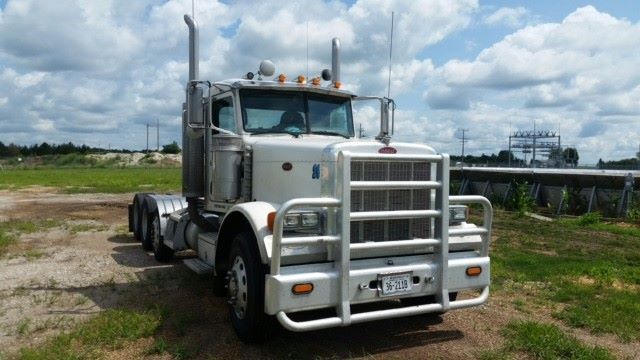
Used trucks in this category may include long-nose conventionals, aerodynamic road tractors, medium-duty chassis, and vocational trucks with prior upfit history. Condition should be evaluated beyond the odometer. A serious buyer will look at engine hours, maintenance records, emissions system history, tire condition, brake wear, suspension components, driveline condition, and signs of frame modification or corrosion. Interior wear can also tell you a lot about how the truck was operated. If the truck is intended for farm or seasonal use, it is smart to verify cold-start behavior, PTO operation if equipped, and any hydraulic or electrical connections needed for the intended body or trailer.
Brand preference often comes down to service network, driver familiarity, and resale value. Models from Peterbilt, Kenworth, Freightliner, International, Mack, Volvo, Western Star, and other major OEMs each bring different strengths in cab layout, parts availability, and drivetrain combinations. A truck that looks right on paper still needs to match licensing requirements, bridge laws, load profile, and turnaround expectations. The best truck purchase is usually the one with the right spec for the job, a clean maintenance story, and a chassis configuration that leaves room for the work you plan to do next.
Frequently Asked Questions about Commercial Trucks Near Atkinson, Nebraska
What should I look for first when comparing trucks for sale?
Start with the intended use of the truck. The right application determines the proper cab style, axle configuration, wheelbase, engine rating, transmission, and suspension. A local grain hauler, a highway daycab, and a vocational truck for construction or service work can all require very different specifications even if they appear similar at a glance.
Is mileage the most important factor on a used truck?
Mileage matters, but it should not be viewed by itself. Engine hours, maintenance history, emissions system repairs, transmission and axle condition, brake wear, tire condition, and frame integrity are often just as important. A higher-mile truck with documented service can be a better buy than a lower-mile truck with poor maintenance or an uncertain operating history.
How do I choose between a daycab and a sleeper truck?
A daycab is typically the better fit for local and regional routes where lower weight, easier maneuverability, and simpler operation are priorities. A sleeper truck makes more sense for longer runs, overnight work, or operations where driver comfort and onboard storage affect productivity. The route structure and time away from home should drive that decision.
What truck specs matter most for Nebraska hauling conditions?
For Nebraska operations, buyers often pay close attention to cold-weather starting, suspension durability, tire condition, axle ratios, and braking performance. Trucks used in agricultural and rural applications may also need PTO capability, strong frame rails, and enough ground clearance for uneven approaches, field entrances, and gravel roads. Serviceability and nearby parts support are also major considerations in rural markets.