
Commercial Trucks For Sale Near Athens, Texas

Have commercial truck to sell? List it here to reach thousands of buyers.
Commercial Trucks Near Athens, Texas
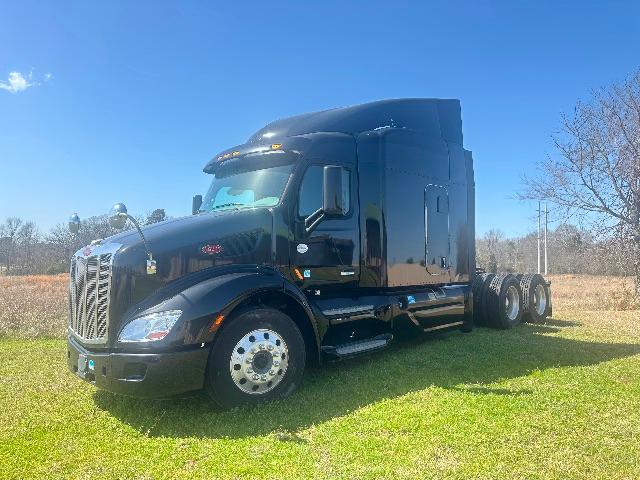
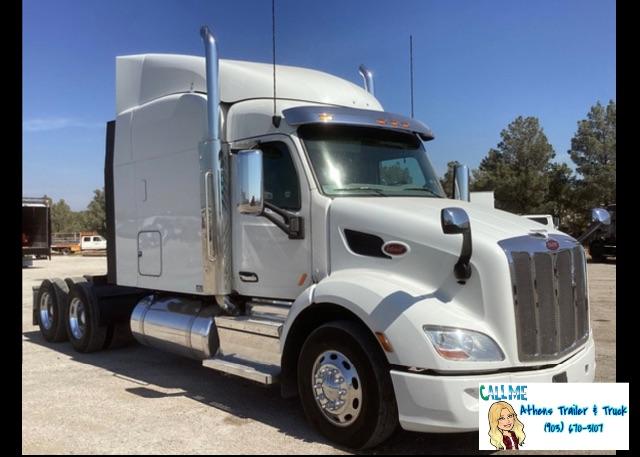
The biggest buying decision is usually application. A classic conventional sleeper with a larger displacement engine, dual vertical exhaust, air ride suspension, and an 18-speed transmission fits heavy haul, open-deck work, and buyers who want a truck with strong resale appeal and simpler pre-emissions or legacy powertrain preferences. A newer aero tractor with a 70-inch to 80-inch sleeper, automated manual transmission, fairings, and a fuel-efficient rear ratio is better suited for van, reefer, and dedicated lane freight. Wheelbase, fifth wheel slide, fuel capacity, and suspension type matter more than many buyers expect because they directly affect trailer swing clearance, bridge law flexibility, ride quality, and how easily the truck can be assigned across multiple lanes.
Condition should be evaluated beyond mileage. On used trucks, service records, overhaul documentation, emissions history, brake and tire percentage, and the condition of the clutch, turbo, aftertreatment, suspension bushings, and kingpins tell a more accurate story than the odometer alone. On sleeper tractors, inspect bunk layout, HVAC performance, inverter or APU provisions, cabinet condition, and signs of water intrusion around roof seams or marker lights. Buyers comparing fleet-maintained trucks against owner-operator spec units should also weigh practical details like all-aluminum wheels versus steel, dual fuel tanks, engine brake, air ride cab, and whether the truck has a low-ratio rear end for fuel mileage or a deeper ratio for heavier pulling.
For buyers shopping trucks in East Texas, spec should match route profile and support network. A truck running I-20, Dallas lanes, or longer southern regional freight may benefit from an aerodynamic roof package, 455-horsepower class engine, and automated transmission for efficiency and easier hiring. A truck intended for oilfield support, livestock, equipment moves, or specialized freight may justify a manual gearbox, higher horsepower, heavier vocational-style components, and simpler driveline choices. The right truck is the one that matches freight type, trailer pairing, maintenance budget, and driver preference without forcing expensive rework after purchase.
Frequently Asked Questions about Commercial Trucks Near Athens, Texas
What should I look for first when comparing used trucks for sale?
Start with the truck’s intended application, then match the powertrain and chassis to that job. Engine horsepower, transmission type, axle configuration, wheelbase, suspension, and sleeper size are the primary decision points. A regional van or reefer operation usually favors an aerodynamic sleeper with a fuel-efficient rear ratio and automated transmission, while heavier or more specialized work may call for a manual transmission, higher horsepower, and a more traditional spec.
Is a 6x2 or 6x4 axle configuration better on a highway truck?
A 6x4 generally offers better traction and broader resale appeal, especially for mixed terrain, heavier freight, and buyers who run in wet jobsite or rural conditions. A 6x2 can reduce weight and improve fuel economy in the right over-the-road application, but it is more application-sensitive and may not be ideal for every trailer, route, or weather pattern. The better choice depends on freight weight, lane profile, and how important traction is to daily operation.
Are automatic transmissions a good choice in used semi trucks?
Yes, if the truck’s duty cycle supports them and the service history is solid. Automated manual transmissions are common in newer fleet tractors because they help with fuel economy, reduce driver fatigue, and simplify hiring. Buyers should still verify clutch condition, calibration history, fault codes, and how the transmission performs under load, because drivability and maintenance history matter more than the transmission label alone.
How important is sleeper size when buying a road tractor?
Sleeper size affects driver comfort, storage, and lane suitability more than many first-time buyers expect. A 60-inch sleeper may be adequate for shorter runs or solo operation, while an 80-inch condo sleeper gives more room for long-haul work, teams, and drivers who stay out for extended periods. Larger sleepers can also affect wheelbase, weight, and maneuverability, so the right size depends on both operational needs and driver expectations.
Does mileage matter more than maintenance history on a used truck?
Maintenance history is usually the better indicator of value. A higher-mileage truck with complete records, documented repairs, strong brake and tire life, and clean engine and aftertreatment history can be a safer buy than a lower-mileage truck with gaps in service documentation. Buyers should focus on records for overhauls, emissions repairs, suspension work, and major driveline service, because those items often determine the true cost of ownership after purchase.