
Asphalt - Hot Oil Trucks For Sale
Shop asphalt hot oil trucks used for tack, patching, and road maintenance. Compare chassis, tank, heating, spray, and application specs.
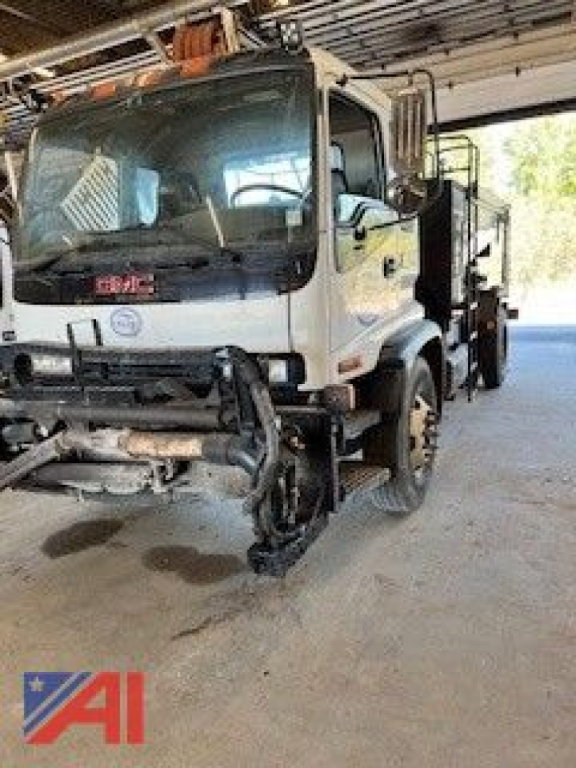
Selling a asphalt - hot oil truck? List your asphalt - hot oil truck for sale and reach thousands of commercial buyers.
Asphalt - Hot Oil Trucks
The most important buying decisions usually come down to tank condition, burner performance, pump operation, and spray controls. A sound chassis matters, but the asphalt system is where repair costs can add up fast. Look closely at the tank construction, insulation, plumbing, valves, spray bars, hand wand operation, and any recirculation features that keep material at usable temperature. On patch units, check the conveyor or hopper arrangement, augers if equipped, emulsion tanks, and the condition of the applicator components. It is also common to inspect for solidified material in disabled tanks, plugged lines, worn nozzles, and heat damage around burners and controls.
Common chassis in this class include medium-duty and severe-service platforms from International, Ford, Freightliner, Mack, and similar makes, often paired with automatic transmissions for stop-and-go municipal work. GVWR can vary widely, but many units fall into the medium-duty range suitable for county, city, and contractor maintenance fleets. Engine hours, PTO function, hydraulic response, and electrical reliability matter as much as road miles, since these trucks spend long periods idling while powering body systems. Corrosion is another major factor, especially on older municipal units that have seen seasonal use, outdoor storage, and repeated exposure to asphalt products and wash-down chemicals.
A good asphalt hot oil truck should match the work mix. For crack sealing, tack work, or patch preparation, precise temperature control and clean spray delivery are more important than raw tank size. For pothole patching and road repair, production depends on how efficiently the truck can keep material hot, feed the repair area, and support a small crew through repeated stops. Buyers comparing listings should weigh not just year and engine, but also usable tank capacity, burner fuel type, pump output, hose and wand reach, patch body design, and how complete the truck is for immediate road service.
Also known as: Asphalt Distributor Truck, Asphalt Spray Truck, Tar Truck
Frequently Asked Questions about Asphalt - Hot Oil Trucks
What is an asphalt hot oil truck used for?
An asphalt hot oil truck is used to heat and apply asphalt-based liquid materials for road maintenance. Depending on the setup, it may handle tack coat, asphalt emulsion, patch preparation, or support pothole repair operations. Some units are simple spray trucks, while others are self-contained patch trucks with hoppers, heating systems, and applicators for more complete roadway repair work.
What should I inspect first on a used asphalt hot oil truck?
Start with the tank, burner, pump, and spray system. These components define the truck’s working value and can be expensive to rebuild. Check for tank corrosion, failed insulation, material buildup, leaking valves, inoperative burners, clogged lines, weak pump pressure, and damaged spray bars or hand wands. After that, verify PTO engagement, hydraulic function, and the overall condition of the chassis, suspension, and brakes.
Are asphalt hot oil trucks the same as tack trucks or patch trucks?
Not always. The categories overlap, but they are not identical. A tack truck is typically focused on spraying asphalt emulsion for bonding layers of pavement. A patch truck may include hot oil or emulsion capability but also adds aggregate storage, conveyors, or self-contained repair tools. Some listings use these terms loosely, so buyers should read the body specifications carefully instead of relying only on the category name.
What chassis and transmission types are common in this category?
Most asphalt hot oil trucks are built on medium-duty conventional cab chassis with diesel engines and automatic transmissions. Automatic gearboxes are common because these trucks operate in stop-and-go maintenance work and often need easy PTO integration. Popular platforms include International, Ford, Freightliner, and Mack models with GVWR ratings suited for municipal fleets, county road departments, and paving contractors.
Why do engine hours and idle time matter on these trucks?
Engine hours matter because asphalt maintenance trucks often spend significant time stationary while running burners, hydraulics, pumps, or PTO-driven systems. A truck with moderate mileage may still have heavy engine wear if it has spent years idling on road crews. Hours, maintenance records, cooling system condition, and PTO performance can tell you more about real-duty wear than odometer mileage alone.