
Commercial Trucks For Sale Near Ashland, Virginia
Have commercial truck to sell? List it here to reach thousands of buyers.
Commercial Trucks Near Ashland, Virginia
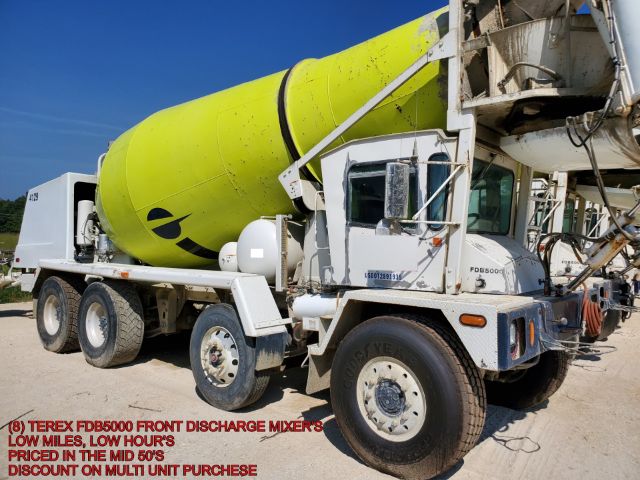
For general truck shopping, the core specs to compare are GVWR or GCWR, front and rear axle ratings, tandem or tri-axle setups, engine horsepower and torque, transmission type, and suspension. Buyers looking at vocational trucks usually pay close attention to Allison automatic versus manual transmissions, locking differentials, set-back or set-forward front axles, and double-frame construction. In categories like mixer trucks, dump trucks, and other severe-service applications, drum or body condition, chute or hoist operation, brake percentage, tire condition, and remaining life in the suspension and steering components can affect real operating cost more than paint or cab cosmetics. Cab comfort features such as air ride seats, air conditioning, visibility, and power steering still matter, especially for local routes with frequent stops and driver turnover.
Ashland sits in a strong corridor for both local and regional trucking, so buyers often compare trucks based on how they will perform on mixed secondary roads, job sites, and interstate runs along central Virginia. That makes gearing, turning radius, and overall maneuverability important, especially for trucks that spend time in tighter yards or residential delivery zones. Diesel engine choices from common commercial platforms such as Cummins, Detroit, Paccar, Volvo, or International can influence parts access and service familiarity, while emissions era should be weighed carefully for maintenance planning. Older pre-DEF and early DEF trucks may have lower acquisition cost, but condition, service history, and intended usage should drive the final decision.
The best trucks in this category are the ones matched closely to payload, route, and duty cycle. A fleet buyer may prioritize standardization, engine brake performance, telematics compatibility, and service records. An owner-operator or contractor may focus more on upfront value, simplicity, and versatility across multiple jobs. Looking closely at axle count, horsepower, wheelbase, PTO setup, cab configuration, and body-specific wear points will usually tell you more than model year alone. For buyers comparing trucks for sale in Ashland, VA, the key is to evaluate the whole operating package, not just the badge on the hood.
Frequently Asked Questions about Commercial Trucks Near Ashland, Virginia
What should I look at first when comparing trucks for sale?
Start with the truck’s intended application and weight requirements. GVWR, axle ratings, wheelbase, engine horsepower, torque, and transmission type should match the work the truck will perform. For vocational use, buyers should also confirm PTO capability, frame construction, suspension design, and body or equipment condition because those factors directly affect uptime and operating cost.
How important is axle configuration on a used truck?
Axle configuration is one of the most important buying factors because it affects payload, traction, bridge compliance, turning radius, and maintenance cost. A single-axle truck may work well for lighter local delivery or municipal tasks, while tandem, tri-axle, or heavier vocational setups are better suited for construction, aggregate, mixer, or high-GVWR applications. The right axle setup depends on both legal weight limits and jobsite conditions.
Are automatic transmissions better for vocational trucks?
Automatic transmissions, especially Allison automatics, are common in vocational trucks because they improve drivability, reduce driver fatigue, and perform well in stop-and-go or jobsite work. They are often preferred in mixers, refuse trucks, and municipal applications. Manual transmissions can still be a strong choice where driver familiarity, lower upfront cost, or specific gearing needs matter most, but the best option depends on route profile and operator preference.
Does engine make matter when buying a used commercial truck?
Engine make matters because it can affect service access, parts availability, technician familiarity, and long-term maintenance planning. Well-known commercial diesel platforms from Cummins, Detroit, Volvo, Paccar, and International are all common in the used market, but buyers should focus less on brand alone and more on service history, emissions system condition, mileage, idle hours, and whether the engine is a good fit for the truck’s actual duty cycle.
What is different about buying a vocational truck versus a highway truck?
Vocational trucks are typically selected around body equipment, PTO operation, frame strength, axle capacity, and severe-service durability rather than just fuel economy or highway comfort. Buyers need to inspect the body, hydraulics, suspension, brakes, tires, steering components, and any application-specific wear points such as mixer drums, dump hoists, or crane systems. Highway trucks are usually evaluated more heavily on sleeper or day cab layout, gearing, aerodynamics, mileage, and long-haul efficiency.