
Commercial Trucks For Sale Near Arlington, Virginia

Have commercial truck to sell? List it here to reach thousands of buyers.
Commercial Trucks Near Arlington, Virginia
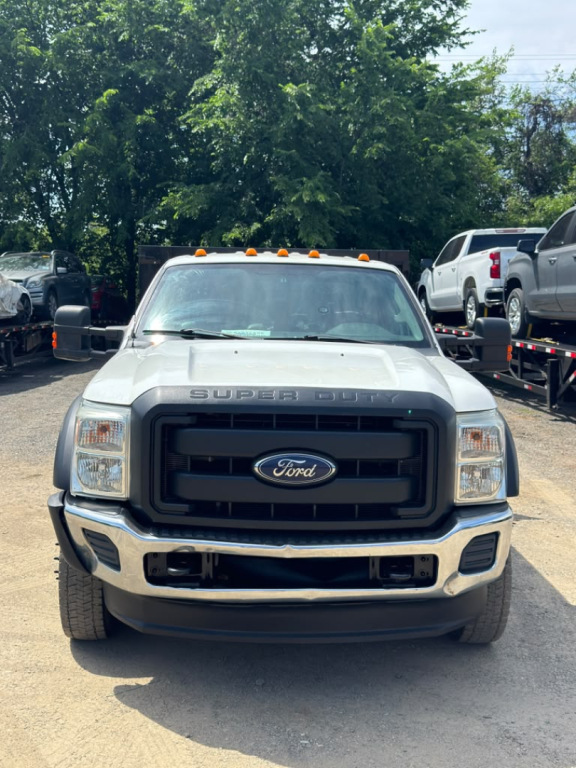
For lighter work, buyers often focus on 3/4-ton and 1-ton platforms such as Ford F-350 style trucks with diesel power, 4x4 drivetrains, ladder racks, receiver hitches, and utility bodies. These trucks are commonly used by contractors, telecom crews, facilities teams, and municipalities because they can carry tools and small equipment while still fitting into tighter job sites and urban service routes. Moving up into medium-duty trucks, common priorities shift to GVWR, wheelbase, suspension type, brake system, body compatibility, and engine-transmission pairing. Models in the Class 4 through Class 7 range are often selected for flatbeds, wreckers, dump bodies, service cranes, and delivery bodies where durability and upfit flexibility matter more than highway speed.
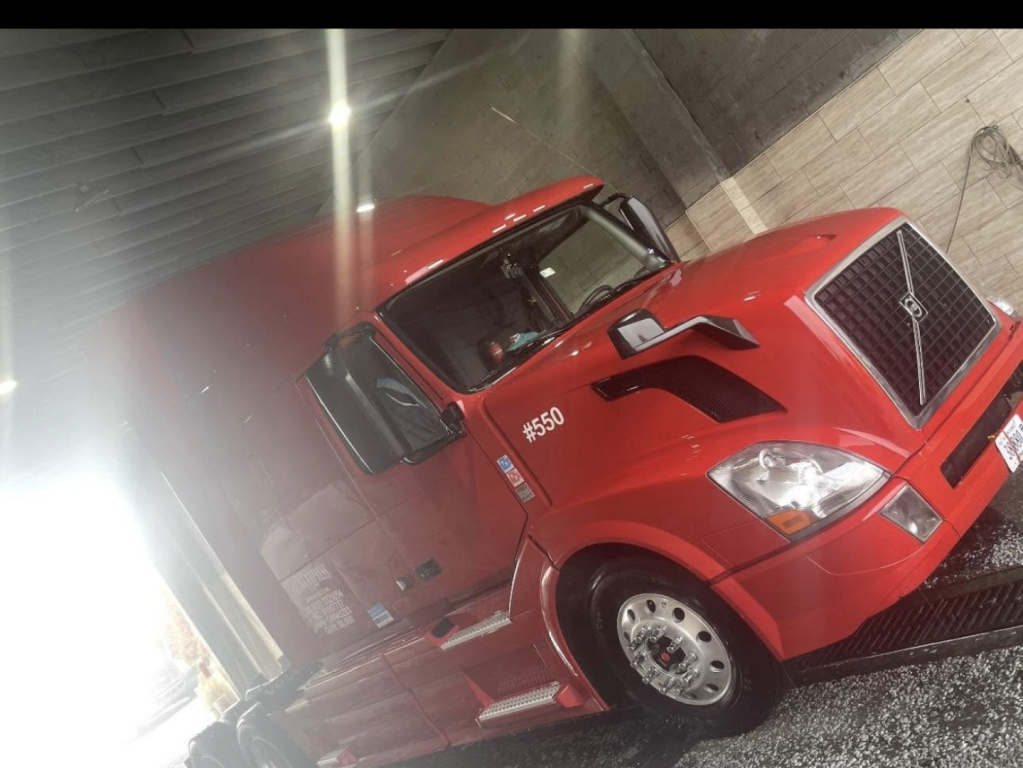
Heavy-duty trucks add another layer of buying criteria. Conventional day cabs and sleeper tractors are typically judged on engine family, horsepower and torque ratings, transmission type, rear axle ratio, tire size, and intended duty cycle. A sleeper truck built for highway miles has a very different value proposition than a severe-duty Western Star or vocational Mack configured for high GVWR work and PTO-driven equipment. Buyers comparing used trucks should pay close attention to service history, idle hours if available, emissions system condition, frame rust, suspension wear, hydraulic function on vocational units, and signs of previous body or boom repairs. In the Arlington area, local and regional operations also tend to place a premium on maneuverability, compliance, and ease of service due to mixed urban traffic, government fleet turnover, and frequent stop-and-go use.
The broad trucks category is also where body and chassis integration matters most. Tow trucks need a solid carrier or wrecker setup with working hydraulics and clean electrical systems. Grapple and crane trucks need close inspection at boom pins, hinge points, outriggers, and subframe mounting areas. Cab and chassis units need the right frame length, axle placement, and clear back-of-cab space for the next body installation. Sleeper tractors should be evaluated for drivetrain life, fifth wheel wear, and road-speed gearing. For most buyers, the best truck is not the one with the most equipment. It is the one with the right ratings, the right configuration for the work, and a condition level that matches the expected maintenance budget.
Frequently Asked Questions about Commercial Trucks Near Arlington, Virginia
What types of trucks are usually included in a general trucks for sale category?
A general trucks category can include light-duty pickups, service and utility trucks, cab and chassis units, medium-duty vocational trucks, tow trucks, dump and grapple trucks, day cabs, and sleeper tractors. The category is broad, so buyers should filter by application, GVWR class, axle configuration, and body type before comparing trucks on price alone. A truck built for highway freight and a truck built for municipal or contractor work may both be listed as trucks, but they are not interchangeable in real operating conditions.
How do I choose between a pickup, a medium-duty truck, and a heavy-duty truck?
The right class depends on payload, towing demand, body requirements, and daily operating environment. A pickup or service-body truck works well for tools, technicians, and light trailers. A medium-duty truck is a better fit for flatbeds, wreckers, dump bodies, and heavier commercial payloads where frame strength and upfit capacity matter. A heavy-duty truck is the correct choice for high-GVWR vocational work or tractor applications that require larger engines, tandem axles, stronger driveline components, and more durable chassis systems.
What should I inspect first on a used vocational truck?
Start with the frame, suspension, brakes, tires, and any PTO- or hydraulic-driven equipment. On a utility, crane, grapple, dump, or tow truck, inspect boom structure, pins, bushings, cylinders, hoses, outriggers, winches, bed rails, and subframe mounting points. Look for weld repairs, cracks, corrosion, and uneven tire wear that may point to alignment or loading issues. Cab condition matters, but on vocational trucks the body and working systems often determine the true cost of ownership.
Are sleeper trucks and highway tractors a good fit for local Arlington operations?
They can be, but only if the route structure supports them. Sleeper tractors are designed for regional and over-the-road work, so they make the most sense when the truck will spend significant time on longer hauls. For tight urban routes, terminal work, or frequent stop-and-go service in and around Arlington, a day cab or medium-duty chassis is often easier to maneuver and less expensive to operate. Buyers should match wheelbase, turning radius, axle ratio, and cab style to the route instead of assuming a highway tractor is the best value.
Why is a cab and chassis truck popular with fleet buyers?
A cab and chassis gives the buyer flexibility to spec the body for a precise job. It can be upfitted with a service body, flatbed, dump body, rollback, box, crane, or other vocational equipment as long as frame length, axle ratings, and PTO compatibility are correct. Fleet buyers often prefer cab and chassis trucks because they can standardize the powertrain while tailoring the body to each department or contract requirement. The key is confirming wheelbase, usable cab-to-axle dimension, and rear suspension capacity before the body is installed.