
Trucks For Sale Near Arlington Heights, Illinois


Have truck to sell? List it here to reach thousands of buyers.
Trucks Near Arlington Heights, Illinois
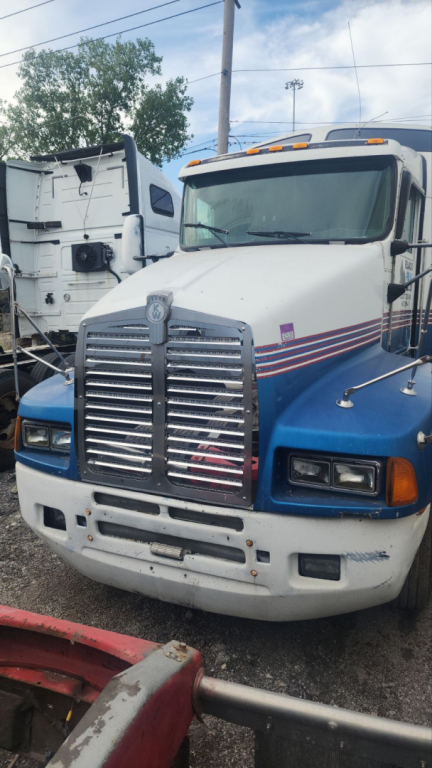
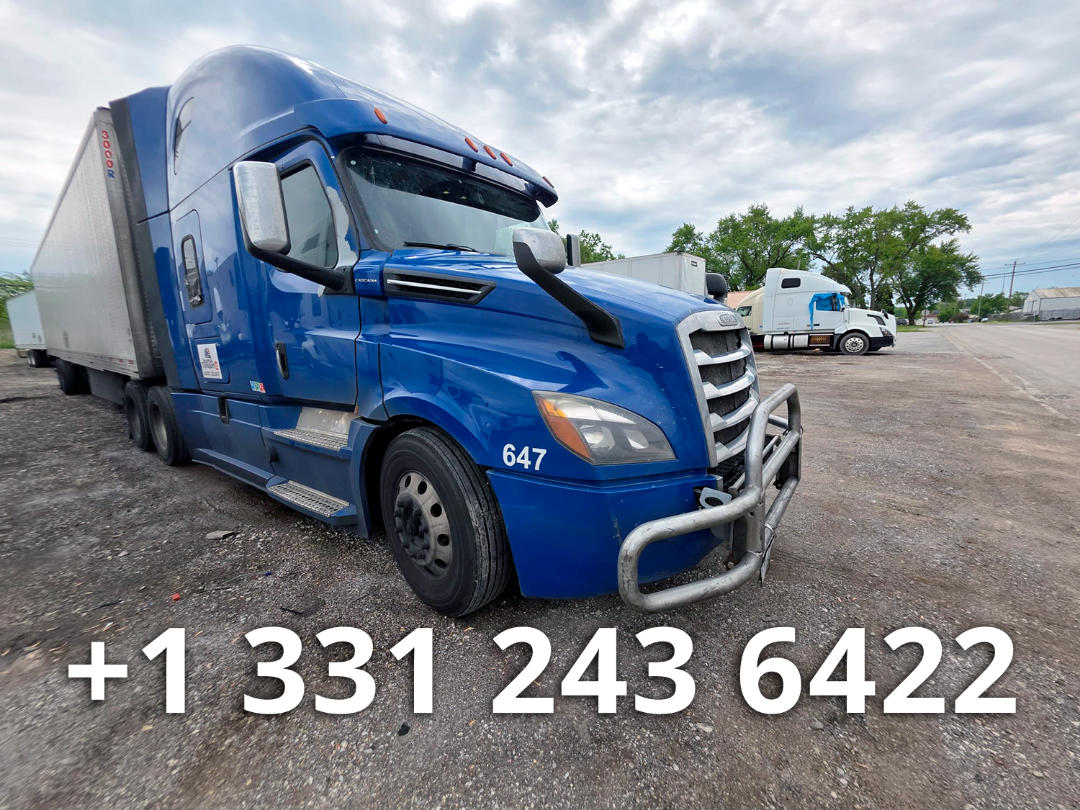
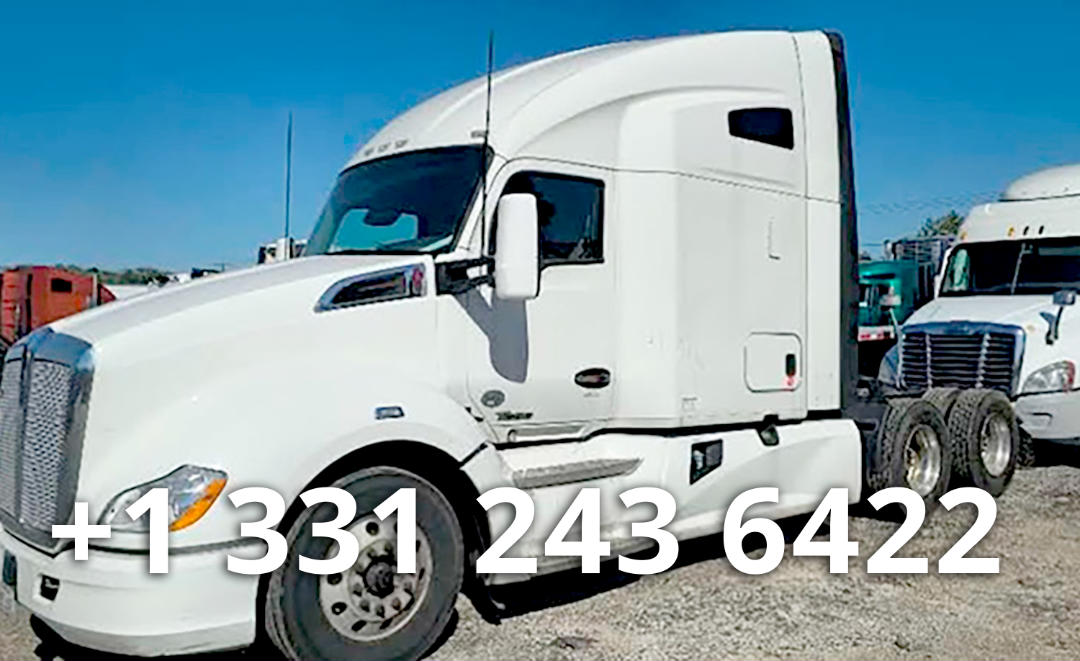
For highway trucks, key buying points usually include engine family, horsepower, torque, transmission type, sleeper or day cab configuration, rear axle ratio, fuel capacity, and emissions system history. Buyers looking at late-model sleepers often focus on automated manual transmissions, engine brakes, wheelbase, fairings, and driver amenities such as APUs, refrigerators, and aluminum wheels. A regional or long-haul tractor should also be checked for tire and brake life, suspension type, and whether the spec matches the intended freight. A truck set up for van or reefer work may not be ideal for heavier flatbed or specialized trailer duty if the wheelbase, fifth wheel travel, or axle ratings are limiting.
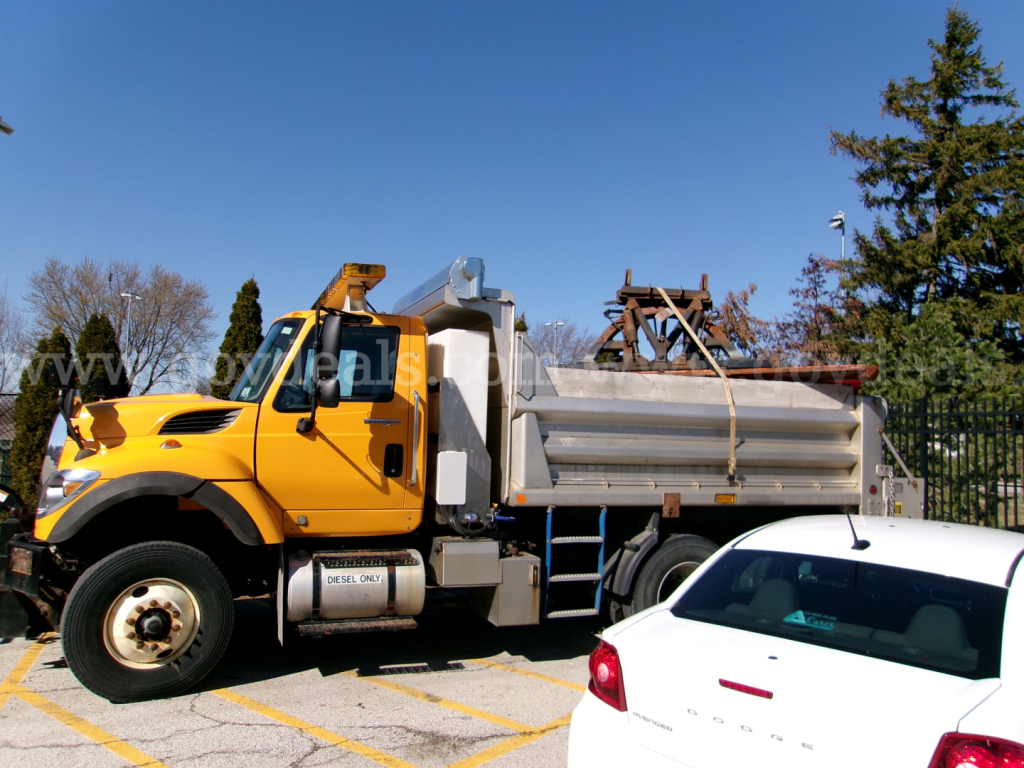
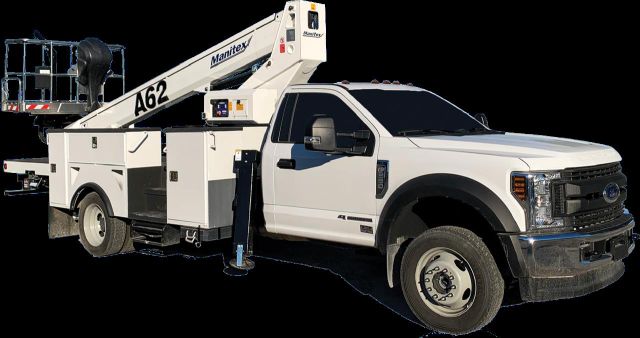
Vocational trucks in this category often include dump trucks, bucket trucks, and chassis equipped for snow and ice control. Those units are bought differently than linehaul tractors. PTO operation, hydraulic performance, body condition, hoist condition, frame integrity, rust level, brake type, and front axle capacity are often more important than mileage alone. On dump trucks, buyers usually look closely at bed length, side height, tailgate style, underbody or telescopic hoist design, and whether the truck has a plow mount, central hydraulics, or spreader controls. On bucket trucks, the lift manufacturer, platform height, insulated versus non-insulated boom, outrigger condition, and documented service history matter as much as the base chassis.
In northern Illinois, rust, corrosion, and winter equipment wear deserve extra attention, especially on municipal and government-retired trucks. Snow plow mounts, spreaders, hydraulic lines, crossmembers, cab corners, and electrical connections can show the effects of seasonal salt use even when the truck is mechanically sound. Buyers comparing used trucks in this area should weigh engine hours against mileage, confirm CDL and brake requirements, and match the truck's current setup to the actual job. A well-matched truck will reduce upfit costs, shorten downtime, and perform better than a cheaper unit that needs major chassis or body changes before it can go to work.
Frequently Asked Questions about Trucks Near Arlington Heights, Illinois
What types of trucks are commonly listed for sale in Arlington Heights, Illinois?
The market typically includes highway tractors, dump trucks, bucket trucks, service trucks, and other medium-duty or heavy-duty vocational models. Listings often mix fleet tractors built for regional or long-haul use with municipal and contractor trucks spec'd for plowing, hauling aggregates, utility work, or general construction. The best choice depends on GVWR, axle ratings, body type, and the exact job the truck needs to handle.
What should I check first when comparing used vocational trucks?
Start with the chassis and work equipment as a package. Confirm axle configuration, front axle capacity, PTO operation, hydraulic function, frame condition, rust level, and whether the truck's body or attachment is appropriate for the job. On dump trucks, inspect the hoist, bed floor, tailgate, and spreader or plow setup if equipped. On bucket trucks, review boom inspection records, outrigger operation, lift hours, and insulation rating if electrical utility work is involved.
Is mileage or engine hours more important on a used truck?
Both matter, but their importance depends on the truck type. Highway tractors are usually evaluated heavily on mileage, maintenance history, engine spec, and emissions performance. Vocational trucks often spend long periods idling or operating PTO-driven equipment, so engine hours can tell more than odometer miles. A lower-mile truck with very high idle or PTO hours may show more engine wear than the odometer suggests.
Are government or municipal trucks a good buy?
They can be, especially when maintenance records are available and the truck was serviced on a regular schedule. Many municipal units have consistent preventive maintenance and purpose-built vocational specs such as plow gear, spreaders, or heavy front axles. Buyers still need to inspect for corrosion, idle-heavy use, electrical wear, and attachment condition because winter service and stop-and-go duty can be hard on a truck even when it has been maintained.
How do I know if a truck requires a CDL?
CDL requirements depend on the truck's gross vehicle weight rating, combined weight rating, brake system, and intended use. Many heavy dump trucks and road tractors clearly fall into CDL territory, especially when air brakes or trailer combinations are involved. Some medium-duty trucks may not require a CDL depending on GVWR and local regulations. The safest approach is to verify the door tag, registered weight, brake type, and state and federal licensing rules before purchase.