
Commercial Trucks For Sale Near Arcadia, Florida
Have commercial truck to sell? List it here to reach thousands of buyers.
Commercial Trucks Near Arcadia, Florida
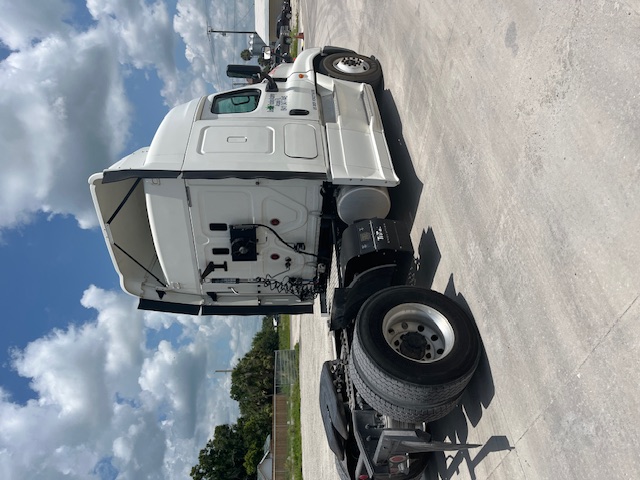
For work truck buyers, body type matters as much as the chassis. Flatbeds, dump bodies, utility bodies, mechanics trucks, rollback carriers, refrigerated bodies, dry van boxes, and standard pickups all serve different roles. A buyer comparing trucks should pay close attention to frame condition, suspension type, brake setup, tire size, and whether the truck is equipped for towing, hauling equipment, or carrying palletized freight. On heavier trucks, tandem versus single axle, fifth wheel setup, wet kit provisions, and day cab or sleeper configuration can change the truck’s value for a specific operation. In Florida, corrosion is often less severe than in northern markets, but sun exposure, idle time, and maintenance history still matter.
Powertrain choices are another major decision point. Diesel engines remain common in medium-duty and heavy-duty trucks because they deliver torque for towing and sustained commercial use, while gas engines can make sense for lighter local fleets with lower annual miles. Automatic transmissions are popular in vocational and stop-and-go service, while automated manual and manual gearboxes still appear in heavier hauling applications. Buyers should also look at emissions system history, engine hours versus odometer miles, PTO operation where applicable, and any signs of hard vocational use such as body mount wear, hydraulic leaks, or frame modifications. On used commercial trucks, service records and upfit quality often tell more than paint condition.
Regional use also affects what makes a truck desirable in Arcadia. Local hauling, landscaping, ranch work, farm support, material delivery, and contractor service all place different demands on payload, bed length, ground clearance, and towing capacity. A truck that spends most of its time on paved routes may prioritize fuel efficiency and ride quality, while a truck working on job sites or agricultural property may need heavier suspension, locking rear axles, and simpler body systems that are easy to repair. Buyers comparing trucks for sale should focus on application fit first, then verify the specifications that control operating cost, uptime, and legal payload.
Frequently Asked Questions about Commercial Trucks Near Arcadia, Florida
What should I look for first when comparing trucks for sale?
Start with the intended use. Payload, towing requirement, trailer type, route conditions, and annual mileage should determine the right GVWR class, wheelbase, axle setup, and body style. Once the truck matches the job, review engine type, transmission, suspension, brake system, and PTO or towing equipment to confirm it will handle the workload without adding unnecessary operating cost.
What is the difference between light-duty, medium-duty, and heavy-duty trucks?
The main difference is weight class and intended workload. Light-duty trucks are typically used for pickups, service use, and lighter towing. Medium-duty trucks are common for box trucks, flatbeds, dump trucks, and utility applications where higher payload and commercial durability are needed. Heavy-duty trucks are built for the highest GVWR ratings, major towing demands, and tractor-trailer use, often with tandem axles, air brakes, and diesel powertrains designed for long service life.
Is diesel or gas better for a commercial truck?
Diesel is usually the better fit for higher mileage, heavier payloads, and towing because it produces strong low-end torque and is common in medium-duty and heavy-duty applications. Gas engines can be a practical choice for lighter duty cycles, shorter routes, and fleets that want lower upfront cost and simpler maintenance. The best choice depends on load, annual usage, idle time, and the availability of qualified service support.
Why do axle configuration and wheelbase matter on a truck?
Axle configuration affects legal payload, traction, stability, and trailer compatibility. A single axle truck may be easier to maneuver and less expensive to operate, while a tandem axle setup is often better for heavier loads and more demanding commercial work. Wheelbase matters because it influences body length, turning radius, ride quality, and how the truck balances weight across the axles. These details directly affect productivity and compliance.
What are the most important condition points on a used commercial truck?
The most important condition points are maintenance history, engine and transmission performance, frame integrity, suspension wear, brake condition, tire health, and any evidence of leaks or poor repairs. Buyers should also inspect the body or upfit, look for uneven tire wear, check for warning lights or emissions issues, and verify PTO or hydraulic operation if the truck has vocational equipment. A truck with clean service records and a correct specification is usually a better value than one that only looks good cosmetically.