
Commercial Trucks For Sale Near Angier, North Carolina
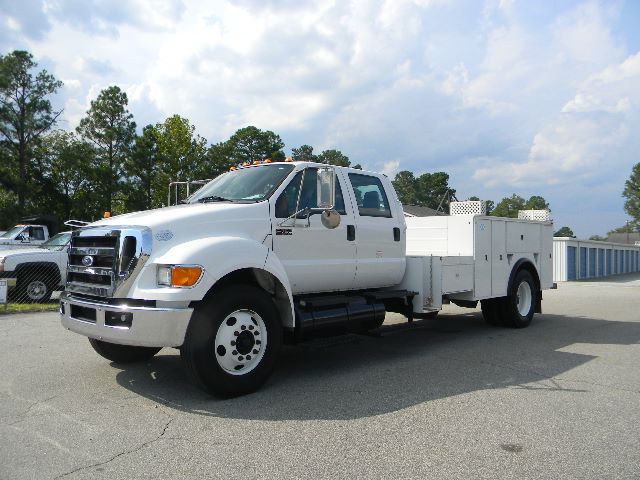
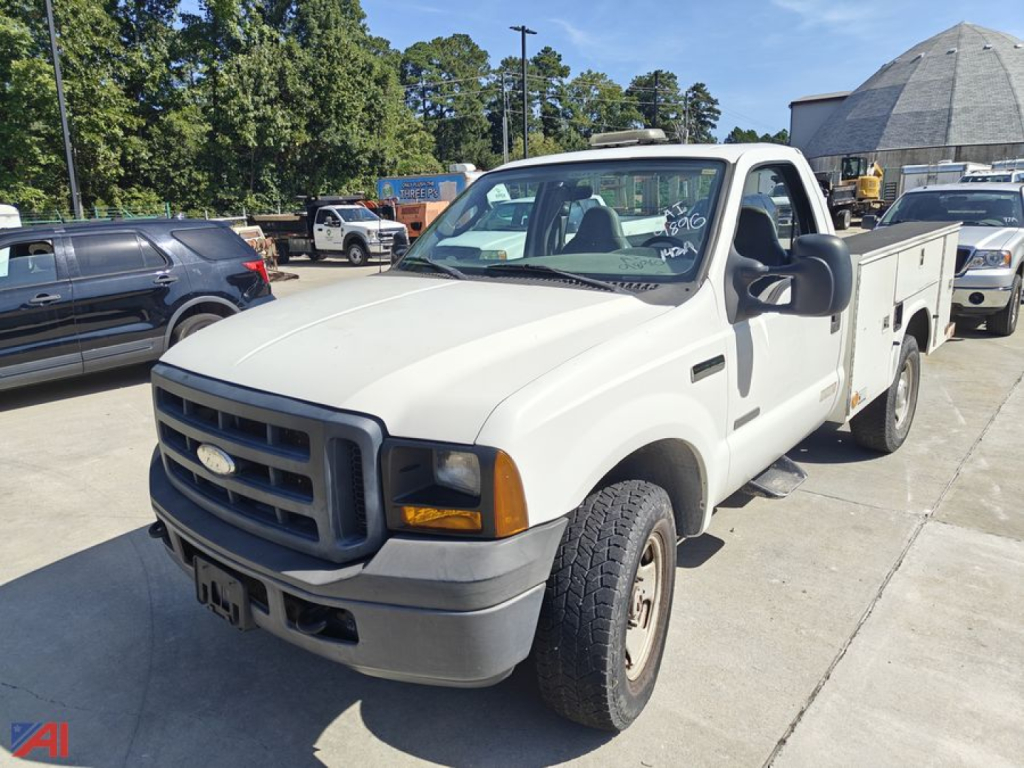
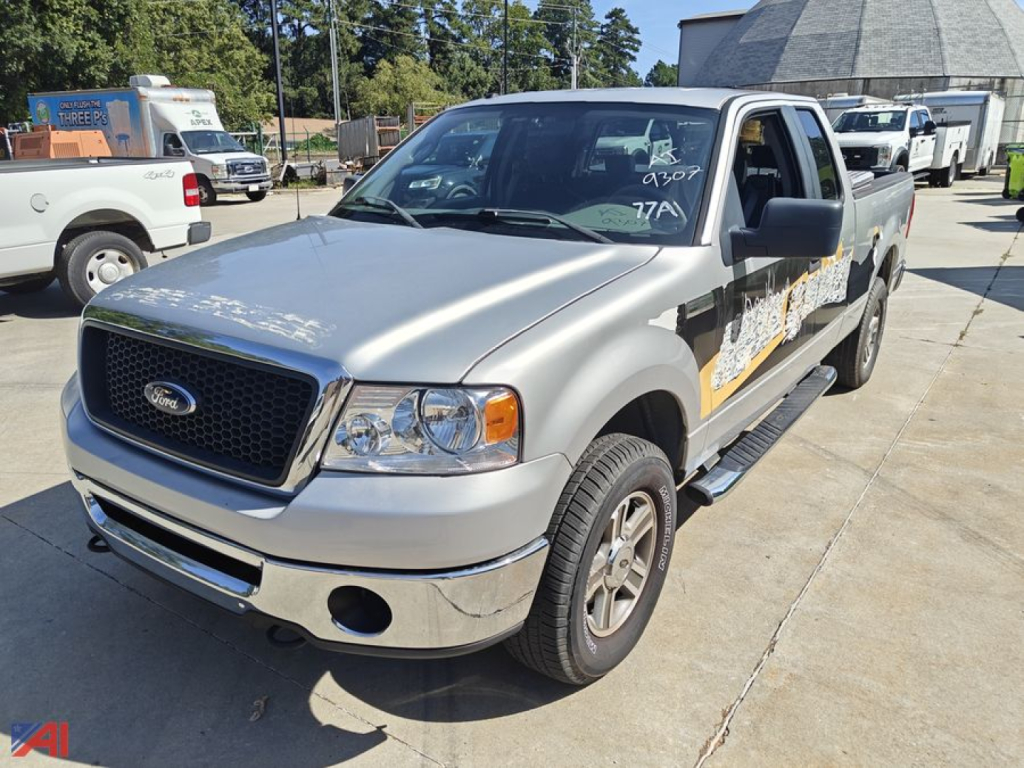
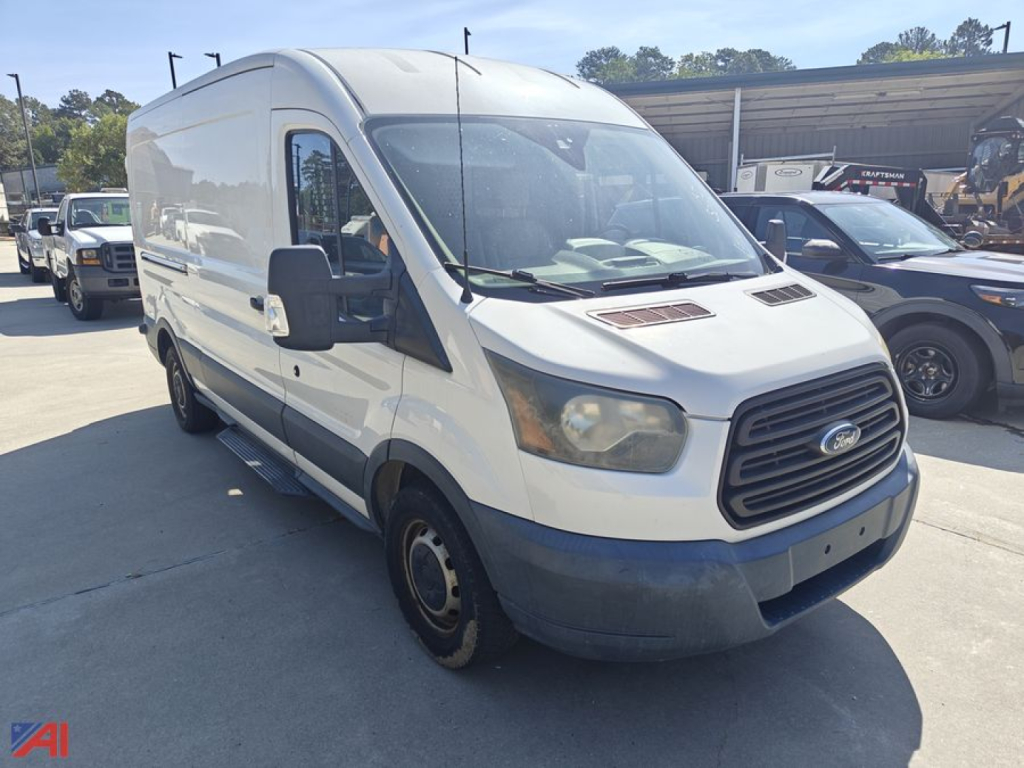
Have commercial truck to sell? List it here to reach thousands of buyers.
Commercial Trucks Near Angier, North Carolina
For many buyers, GVWR and brake class are the first filters that matter. Medium-duty trucks such as Class 6 and Class 7 models are common for box, utility, and municipal work, while Class 8 trucks are more typical for severe-service dump, vacuum, and other high-payload applications. Engine choice often comes down to proven diesel platforms from Cummins, Mack, Detroit, PACCAR, or Power Stroke, paired with manual, automated, or automatic transmissions depending on route conditions and driver preference. Spring suspension is still common on work trucks for durability and cost control, while air ride can improve ride quality and help protect certain loads or equipment.
Body and vocational equipment deserve as much attention as the cab and chassis. On dump trucks, buyers usually compare body length, side height, hoist condition, liner wear, tailgate style, and whether the truck is tandem, tri-axle, or quad-axle. On service and utility trucks, common decision points include compartment layout, reel carriers, compressors, fuel transfer tanks, crane provisions, and onboard generators. Box trucks are often evaluated on inside cube, door opening, roof height, floor condition, e-track, and liftgate brand and capacity. Vacuum trucks add another layer with tank size, pump hours, hose storage, and the condition of seals, valves, and PTO-driven systems.
A truck that looks right on paper still needs to be checked like a working asset. Buyers should pay close attention to frame corrosion, service records, tire date codes, brake wear, hydraulic leaks, PTO operation, and signs of hard municipal or off-road use. In North Carolina, heat, humidity, and mixed on-road and jobsite service can accelerate wear in electrical systems, body mounts, and exposed hydraulic components. A well-matched truck should not just meet payload and body requirements, but also fit driver availability, maintenance capability, and operating radius. That is usually what separates a truck that stays productive from one that becomes a shop project.
Frequently Asked Questions about Commercial Trucks Near Angier, North Carolina
What should I look at first when comparing trucks for sale?
Start with the truck’s intended job, then verify GVWR, axle configuration, wheelbase, and body type. Those four factors determine whether the truck can legally carry the load, maneuver in the spaces you work in, and support the body equipment you need. After that, review engine and transmission specs, PTO setup, suspension, brake type, and overall service history. A truck that matches the application correctly will usually perform better and cost less to operate than a truck chosen mainly by price or appearance.
How do I choose between a medium-duty truck and a heavy-duty truck?
Medium-duty trucks are commonly used for local delivery, utility service, landscaping, moving, and lighter municipal work where lower operating cost and easier maneuverability matter. Heavy-duty trucks are built for higher payloads, tougher jobsite conditions, and severe-service applications such as dump, vacuum, and certain construction roles. The right choice depends on payload, route type, body weight, and how often the truck will operate off pavement. It is important to include the body, equipment, fuel, tools, and cargo in your weight calculations, not just the chassis rating.
Are diesel engines still the best choice for vocational and commercial trucks?
For many vocational truck applications, diesel remains the standard because it delivers strong low-end torque, good durability under load, and broad parts and service support. That is especially important for dump trucks, utility trucks with PTO-driven equipment, and trucks that spend long hours under work conditions. The best engine choice still depends on the duty cycle, emissions-system maintenance history, and technician support in your area. A proven diesel platform with documented maintenance is usually more valuable than simply choosing the newest engine available.
What matters most on a used box truck or service truck?
On a box truck, pay close attention to the condition of the cargo body, floor, roof, roll-up door, and liftgate if equipped. Water intrusion, floor rot, and liftgate problems can turn an otherwise usable truck into a repair-heavy purchase. On a service truck, inspect compartment condition, latch function, rust around the body mounts, and the operation of any pumps, reels, compressors, or transfer tanks. In both cases, verify that the body upfit matches the work you do so you are not paying to reconfigure the truck after purchase.
Why does axle configuration matter so much on work trucks?
Axle configuration affects payload capacity, bridge compliance, turning radius, tire wear, and how the truck handles uneven terrain or concentrated loads. A single-axle truck may be ideal for tighter urban routes and lower operating costs, while tandem, tri-axle, or quad-axle setups are better suited for heavier hauling and more demanding vocational work. Additional lift axles or steerable axles can improve legal payload and maneuverability, but they also add maintenance points. The best setup is the one that fits your legal weight requirements and the roads or jobsites where the truck will actually work.