
Commercial Trucks For Sale Near Anaheim, California
Have commercial truck to sell? List it here to reach thousands of buyers.
Commercial Trucks Near Anaheim, California
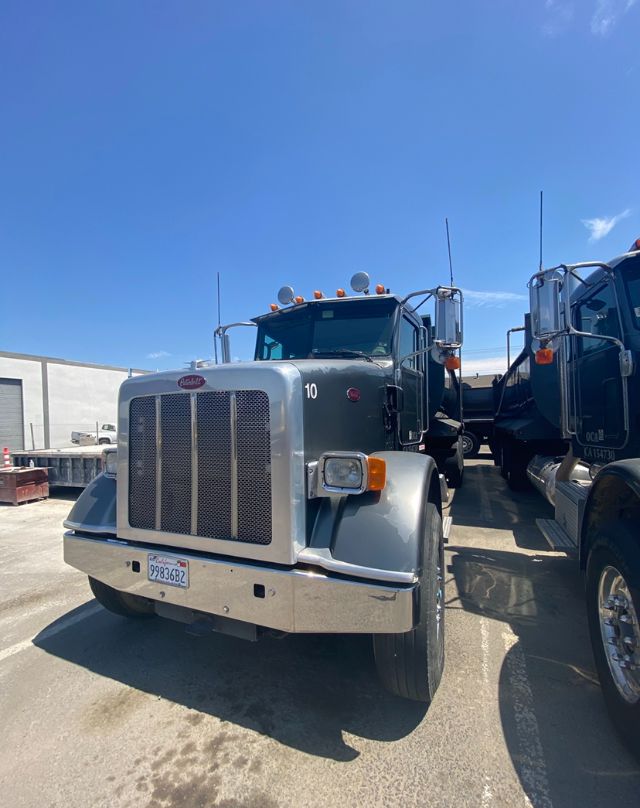
For construction and municipal work, dump trucks remain one of the most application-sensitive truck classes. Key details include body material, box capacity, suspension type, axle configuration, and whether the truck has a single or multiple lift axles. Quad-axle and heavy-spec dump trucks are common where payload laws and jobsite conditions justify the extra carrying capacity and frame strength. Buyers should look closely at engine family, automatic versus manual transmission, brake condition, and signs of frame or hoist wear. In Southern California, maneuverability matters just as much as payload because many trucks split time between tight urban jobs, transfer routes, and freeway travel.
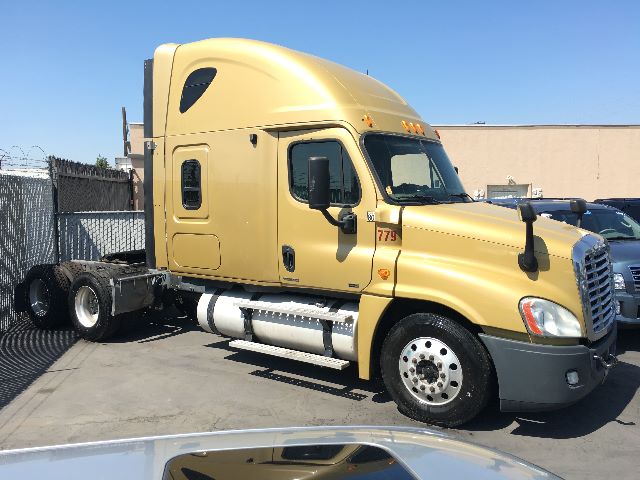
Conventional sleeper trucks, also known as sleeper semis or highway tractors, are usually evaluated on a different set of priorities. Engine platforms such as Detroit DD15, Cummins X15, and PACCAR MX series are common in the used market, with horsepower and torque selected around gross combined weight, terrain, and fuel strategy. Transmission choice is another major decision point. A 10-speed or 13-speed manual still appeals to buyers who want gear control and service familiarity, while automated manuals are often preferred for fleet consistency and driver turnover. Sleeper length, bunk layout, air ride suspension, engine brake, tire size, and wheelbase all affect comfort, payload distribution, and trailer compatibility.
Anaheim is a practical buying location for trucks because demand in this area spans port-related freight, regional distribution, waste, construction, and municipal service. That mix means buyers often see everything from heavier vocational units to over-the-road tractors in the same market. The best comparison method is to focus less on brand alone and more on service history, emissions system condition, axle ratings, mileage versus engine hours, and how the spec fits California operation. A truck that is properly spec'd for its job will usually outperform a newer truck with the wrong gearing, body, or suspension setup.
Frequently Asked Questions about Commercial Trucks Near Anaheim, California
What types of trucks are most common in the Anaheim, California market?
The Anaheim market commonly includes dump trucks, day cab tractors, and conventional sleeper trucks because local demand comes from construction, regional freight, warehousing, municipal work, and port-related hauling. Buyers often find a mix of vocational chassis with heavy axle ratings and road tractors built for regional or long-haul service. That variety makes it important to compare trucks by application, not just by make, model, or year.
What should I check first when buying a used dump truck?
Start with the frame, hoist, body condition, axle configuration, and legal payload suitability for your operation. A used dump truck should also be reviewed for brake wear, suspension condition, lift axle function, transmission operation, and engine history. Steel bodies, double frames, and heavier front axle ratings are common on trucks intended for demolition, aggregate, and paving work, but those features only add value if they match the material and route you plan to run.
Is a sleeper truck better than a day cab for Southern California hauling?
A sleeper truck is generally the better fit for longer regional or interstate runs where driver rest, onboard storage, and overnight capability matter. A day cab is usually the more efficient option for local delivery, drayage, or short-haul work because it is lighter, shorter, and easier to maneuver in tight terminals and urban areas. The better choice depends on average trip length, trailer type, customer lanes, and how often the truck leaves the local operating radius.
Which drivetrain specs matter most on a used highway tractor?
The most important drivetrain factors are engine make and model, horsepower, torque, transmission type, rear axle ratio, and suspension setup. Those specs determine how the truck performs under load, how comfortably it runs at highway speed, and how efficiently it uses fuel. Buyers should also confirm whether the truck has an engine brake, air ride suspension, and a wheelbase that works with the trailers and kingpin settings they plan to pull.
Why do axle configuration and lift axles matter so much on vocational trucks?
Axle configuration directly affects legal payload, turning radius, tire wear, and the truck's ability to carry weight on public roads without overloading. Lift axles help distribute load where allowed, but they also add maintenance points and can change how the truck handles on uneven jobsites. On dump trucks and other vocational units, the axle setup should be matched to local bridge laws, material density, and the amount of off-road versus on-road operation.