
Commercial Trucks For Sale Near Ames, Iowa

Have commercial truck to sell? List it here to reach thousands of buyers.
Commercial Trucks Near Ames, Iowa
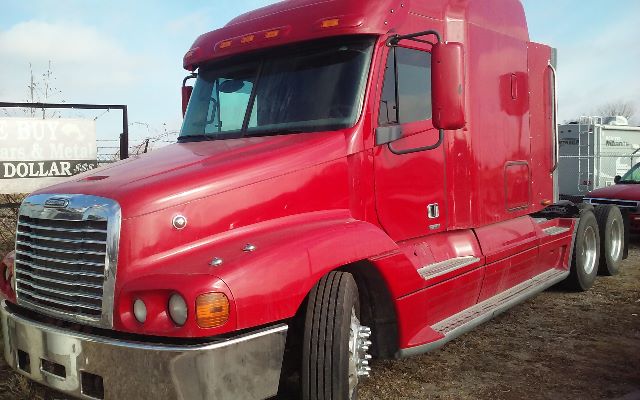
On highway tractors, key buying points usually start with engine family, transmission type, emissions system, axle ratio, and wheelbase. In the Midwest, buyers often pay close attention to pre-emissions and early emissions-era trucks because maintenance cost and downtime can vary significantly between platforms. Sleeper tractors commonly found in this market may include Cummins, Volvo, Detroit, or Paccar power, paired with manual, automated manual, or full automatic transmissions. A buyer comparing used semi trucks should look beyond mileage and check service history, current fault codes, regen history, tire condition, suspension wear, brake life, and signs of frame or cab corrosion from winter road salt.
Cab and chassis trucks are often evaluated on remaining frame length, axle configuration, GVWR, and how easily the truck can accept the intended body. That matters if the goal is a dump build, flatbed, van body, mechanic body, or another vocational conversion. PTO provision, rear suspension type, fuel tank placement, and electrical compatibility can affect upfit cost more than many buyers expect. On medium-duty and heavy-duty work trucks, front axle capacity, turning radius, and brake type also deserve attention, especially for municipal work, utility work, and stop-and-go routes around town or on secondary roads.
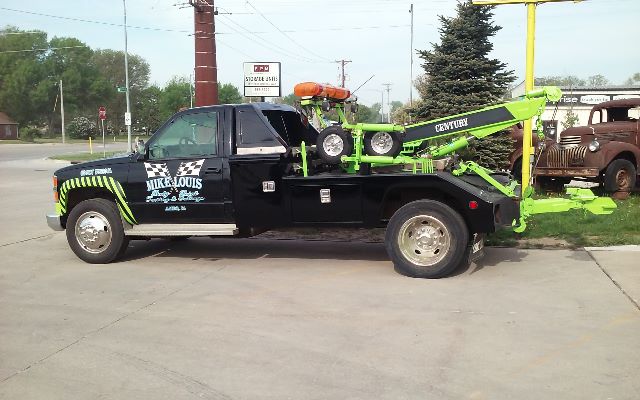
For specialty trucks such as wreckers and tow trucks, buyers should inspect the hydraulic system, winches, wheel-lift or sling components, and any evidence of stress cracking around mounting points. Actual use history matters. A lightly used recovery truck can present very differently from one that spent years in heavy roadside service. Across all truck categories, the best buying approach is to match the truck to the route, payload, and duty cycle first, then compare drivetrain specs, emissions complexity, and overall condition. That keeps the purchase focused on operating cost and uptime instead of just sticker price.
Frequently Asked Questions about Commercial Trucks Near Ames, Iowa
What types of trucks are commonly found for sale in Ames, Iowa?
Buyers in Ames typically see a mix of highway tractors, cab and chassis trucks, and vocational units such as tow trucks or service trucks. Highway tractors are used for regional and long-haul freight, while cab and chassis trucks are purchased for body installation and specialized local work. The local market can include both fleet-maintained units and older owner-operator trucks, so condition, maintenance records, and intended application should be reviewed carefully on each truck.
What should I check first when buying a used semi truck?
Start with the powertrain and maintenance background. Engine model, transmission type, axle ratio, mileage, idle hours, and emissions history have a major effect on operating cost. After that, inspect tire wear, brake condition, suspension components, frame condition, steering play, and any active warning lights or stored fault codes. A truck that runs well on a short test drive can still have expensive emissions, injector, turbo, or aftertreatment issues, so a diagnostic scan and mechanical inspection are worth the cost.
Why does cab and chassis length matter?
Frame length determines what body can be installed and how much modification is required. If the rails are too short, too long, or already drilled for a previous application, the upfit may require additional fabrication that adds cost and delays. Buyers should confirm cab-to-axle measurement, rear overhang, axle ratings, and available PTO options before purchasing a cab and chassis truck for a specific body type.
Are older pre-emissions trucks still a good buy?
They can be, especially for buyers who want simpler engine systems and who understand the maintenance needs of older equipment. Pre-emissions trucks often appeal to operators looking to avoid DPF, SCR, and DEF-related repairs, but age still brings its own costs. Cooling systems, wiring, suspension wear, transmission condition, and overall chassis fatigue become more important as these trucks age. The right pre-emissions truck is one with documented upkeep, not just lower purchase price.
What is most important when evaluating a used tow truck?
The recovery equipment is just as important as the chassis. Buyers should inspect the hydraulics, PTO engagement, winch operation, wheel-lift or boom structure, cylinder seals, hoses, controls, and mounting points. It is also important to verify bed or lift capacity, brake condition, tire condition, and rear frame integrity. A used tow truck with a solid drivetrain but worn recovery equipment can require substantial reconditioning before it is ready for service.