
Chevrolet Ambulance Trucks For Sale
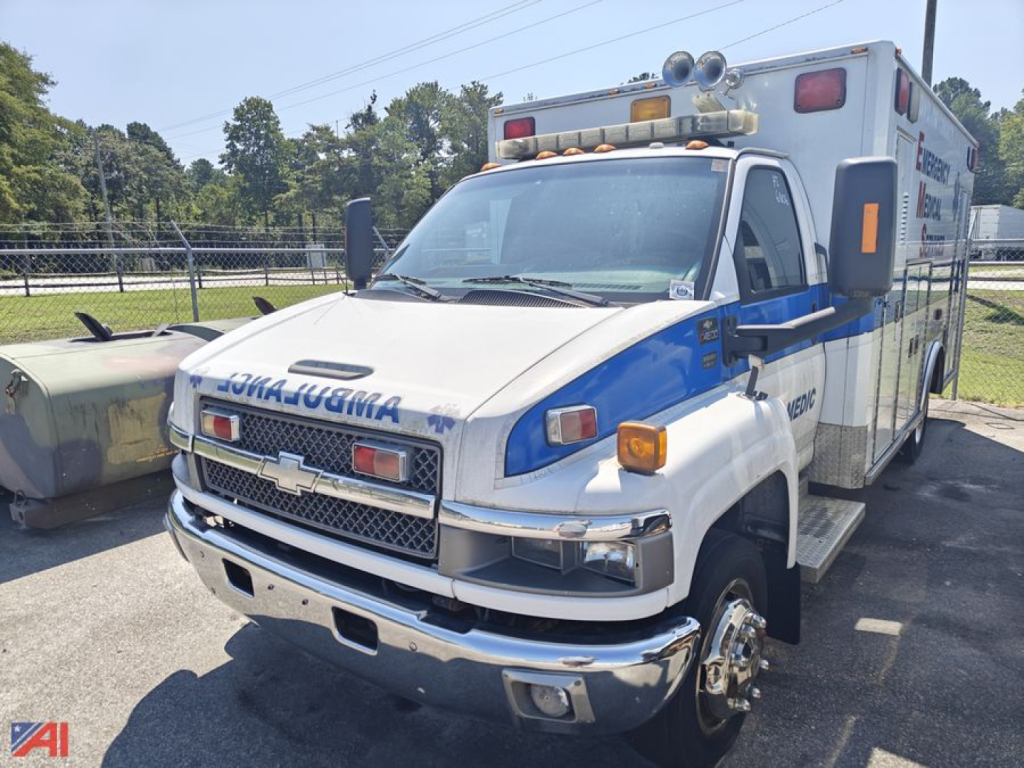
Have chevrolet ambulance truck to sell? List it here to reach thousands of buyers.
Chevrolet Ambulance Trucks
Most Chevrolet ambulance configurations in this class use a gas V8 powertrain paired with an automatic transmission and a dual rear wheel setup for stability under medical body weight. Type III bodies on the Express chassis are generally easier to maneuver than larger medium-duty ambulance builds, making them a practical fit for 911 response, interfacility transport, event standby, and county fleet backup service. Key inspection points include module integrity, corrosion around body seams and undercarriage, shoreline and inverter function, HVAC performance in both cab and patient compartment, and the condition of warning lights, sirens, cabinetry, cot mounts, and electrical distribution panels. If the unit has been decommissioned, buyers should also verify what emergency equipment has been removed and what rewiring or remounting may be needed.
A Chevrolet ambulance can also make sense outside frontline EMS use. These trucks are often repurposed for mobile medical support, fire department rehab units, airport operations, utility response, disaster relief, pet transport, and specialty service bodies. The box-style patient compartment provides enclosed storage, stand-up work space in many layouts, and room for auxiliary batteries, inverters, cabinets, and climate control equipment. For buyers converting one for commercial or specialty use, pay close attention to gross vehicle weight rating, rear axle capacity, suspension wear, and the remaining life of the 12V and 120V systems. Existing shoreline hookups, backup cameras, high-output alternators, and compartment access can be valuable features depending on the application.
Compared with larger ambulance chassis, Chevrolet units are typically favored for lower acquisition cost, easier parts sourcing, and familiar service procedures at independent truck and fleet shops. The tradeoff is that payload and interior space are more limited than on heavier Type I or medium-duty ambulance platforms. A good buyer compares wheelbase, module length, headroom, fuel type, idle history, and remount potential before making a decision. On any used ambulance truck, documented preventive maintenance, clean electrical work, and a solid body are usually more important than cosmetic appearance alone.
Frequently Asked Questions about Chevrolet Ambulance Trucks
What type of ambulance body is most common on a Chevrolet chassis?
The most common Chevrolet ambulance configuration is a Type III body built on a Chevrolet Express cutaway chassis. In this design, the cab and patient module are integrated, which helps with maneuverability, service access, and operating in tighter urban or hospital environments. It is a common choice for EMS fleets that want a compact ambulance with familiar van-based chassis components.
Why do engine hours matter on a used Chevrolet ambulance?
Engine hours are important because ambulances often idle for extended periods while powering emergency lighting, medical electronics, HVAC, and charging systems. A unit with moderate mileage but very high idle hours may have more wear than the odometer suggests. Buyers should review both mileage and hours, then compare those figures with maintenance records for the engine, cooling system, charging system, and transmission.
What should I inspect on a Chevrolet ambulance before buying?
The priority items are chassis maintenance, body condition, and electrical system function. Check for rust, accident repairs, leaks around module seams, suspension wear, brake condition, and tire age. Inside the module, test HVAC, shoreline power, inverter operation, warning systems, compartment latches, interior lighting, and any remaining medical or auxiliary equipment mounts. Clean wiring and documented fleet service are strong indicators of a better unit.
Are Chevrolet ambulance trucks practical for conversions or non-EMS commercial use?
Yes. Chevrolet ambulance trucks are often converted into service vehicles, mobile command units, disaster response trucks, animal transport units, and specialty support vehicles. The enclosed module, exterior compartments, dual battery setups, and onboard electrical infrastructure can reduce build-out time for the next owner. Buyers should still confirm weight capacity, title status, removed equipment, and any decommissioning changes before planning a conversion.
How does a Chevrolet ambulance compare with a larger ambulance chassis?
A Chevrolet ambulance is generally easier to maneuver, simpler to service, and less expensive to acquire than larger ambulance platforms. It fits well in city operations, backup fleet roles, and lighter-duty medical transport. The main limitation is reduced payload and interior room compared with heavier Type I or medium-duty ambulances, so the right choice depends on staffing, equipment load, and intended duty cycle.