
Commercial Trucks For Sale Near Albuquerque, New Mexico
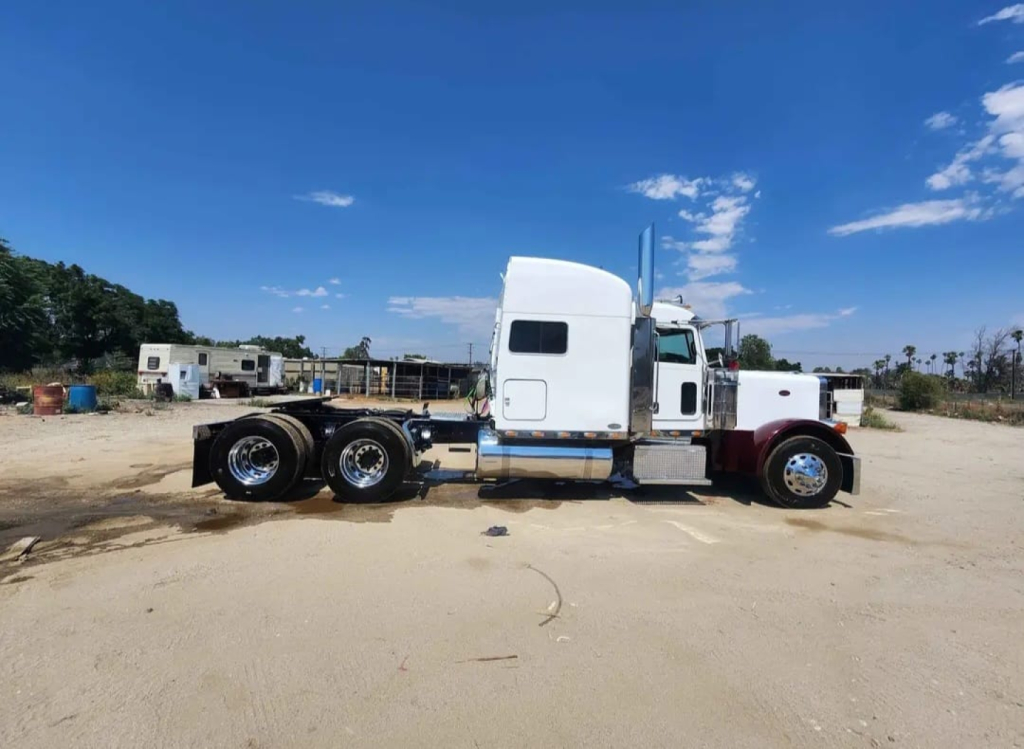
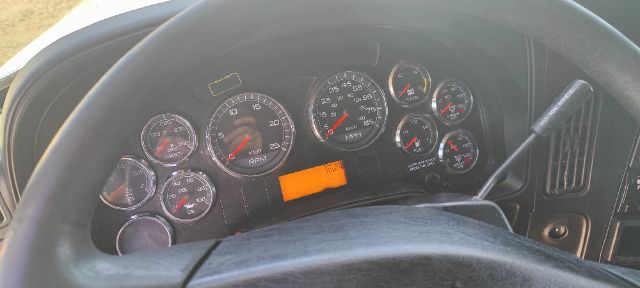
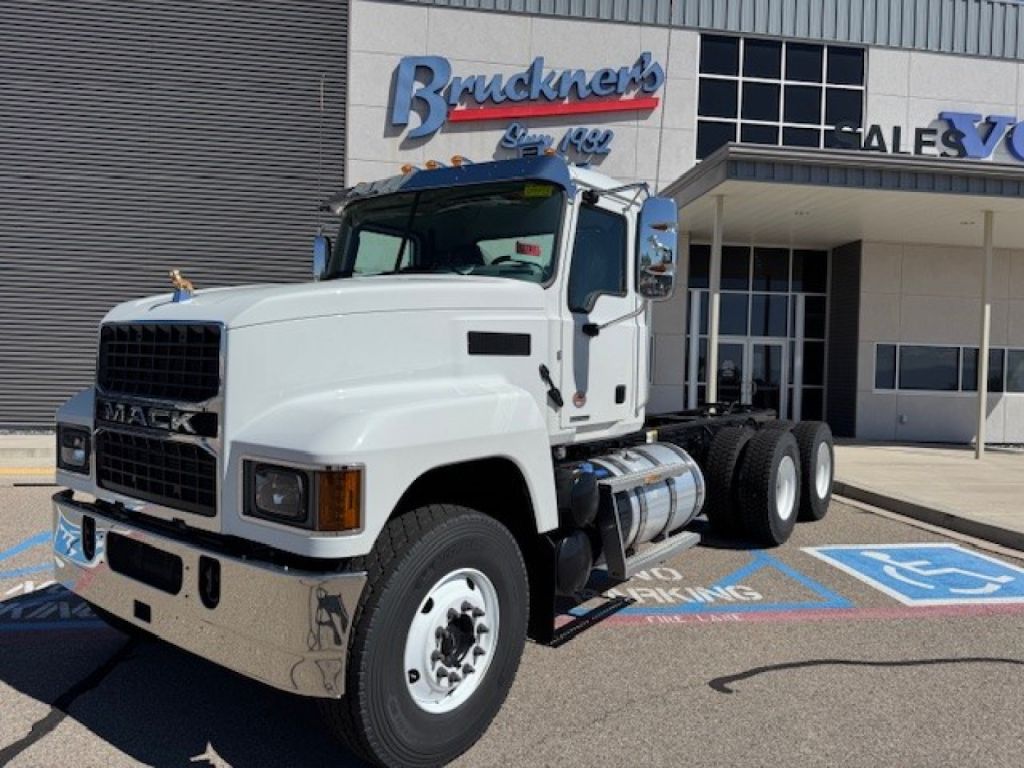
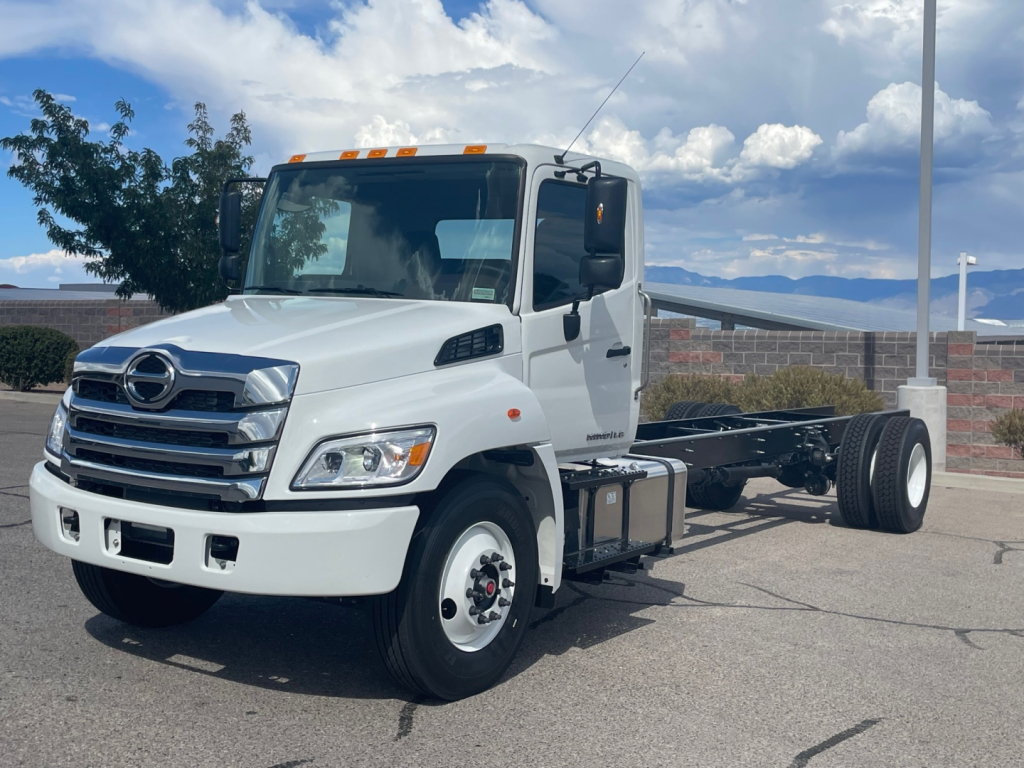
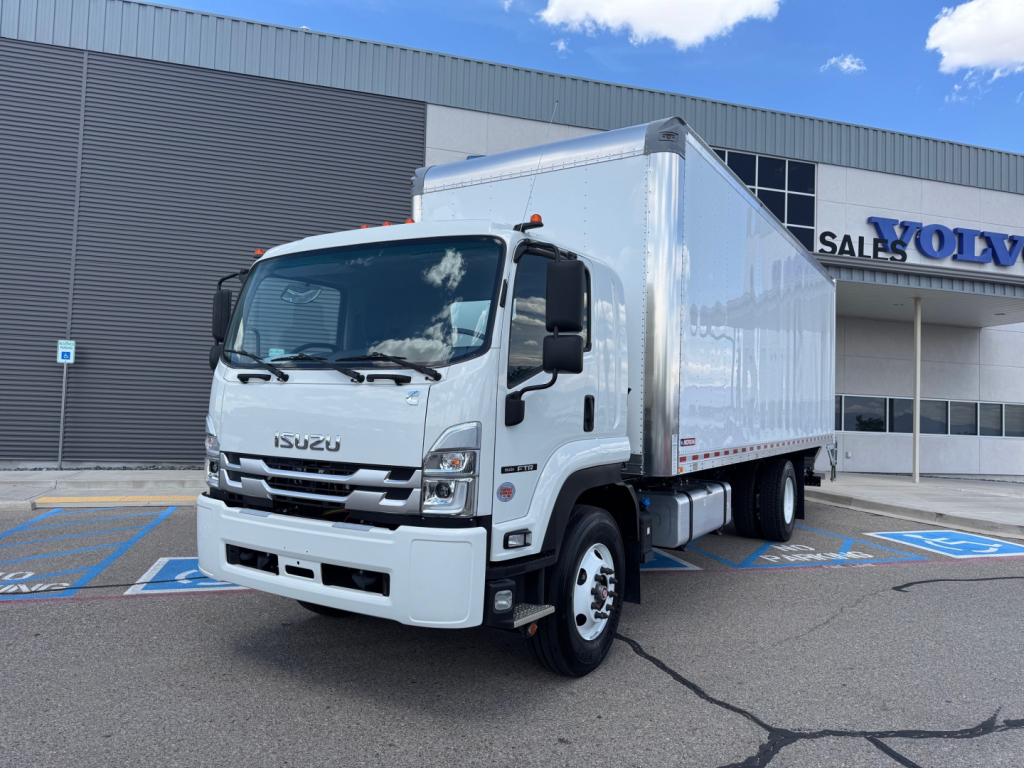
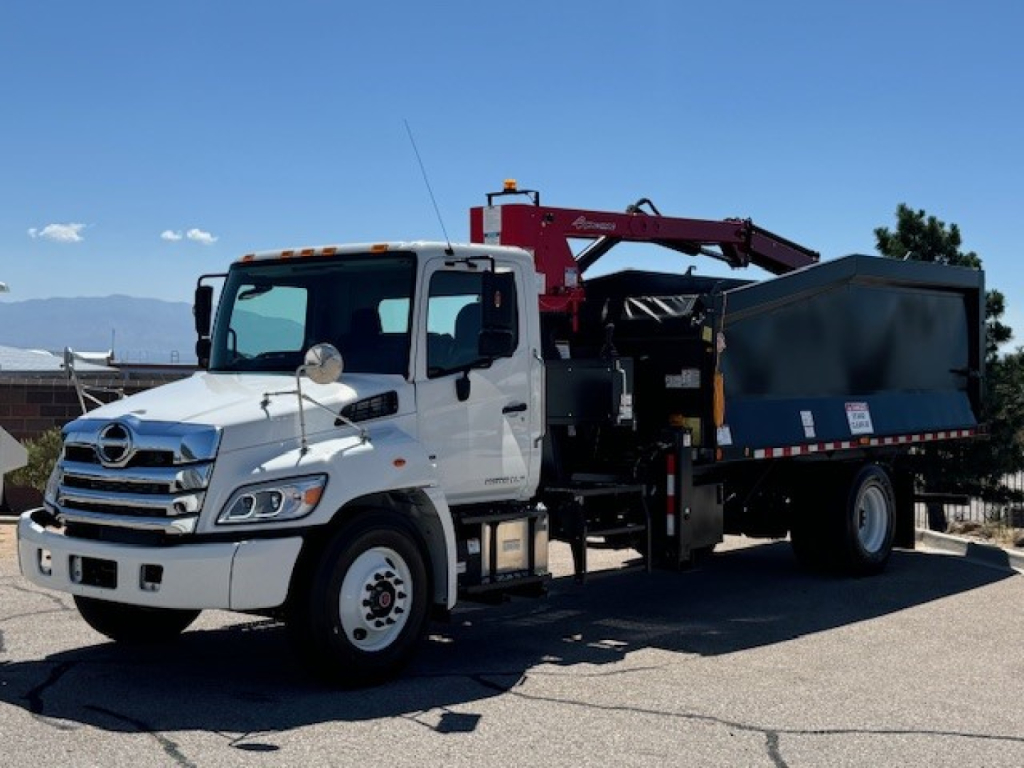
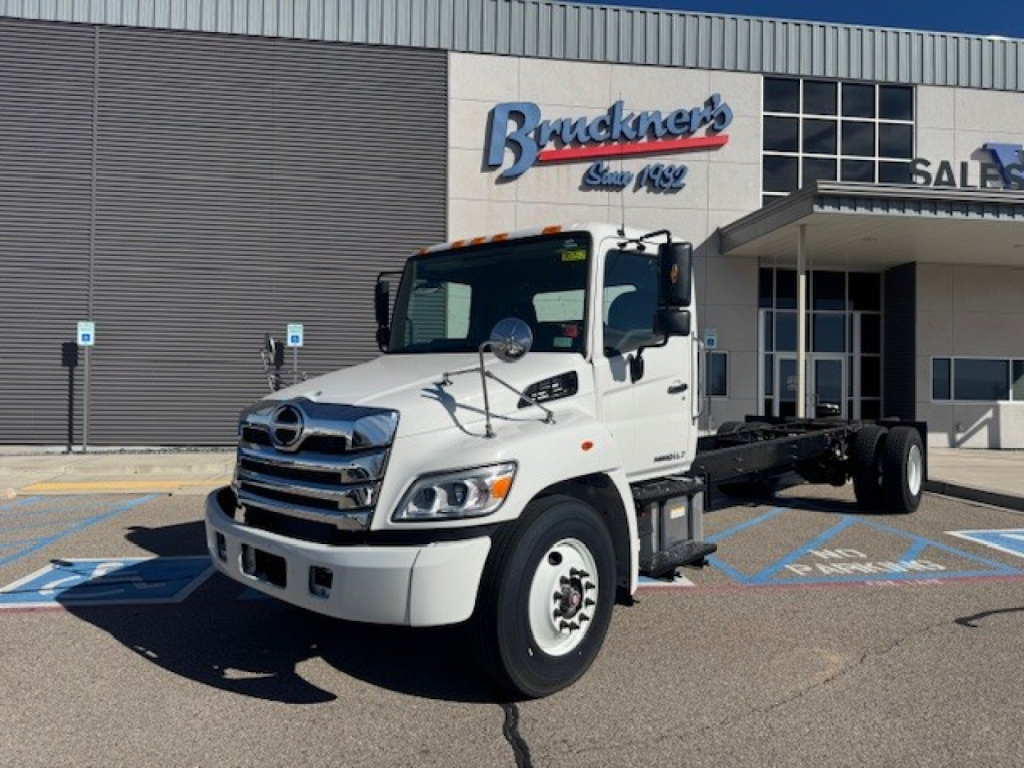
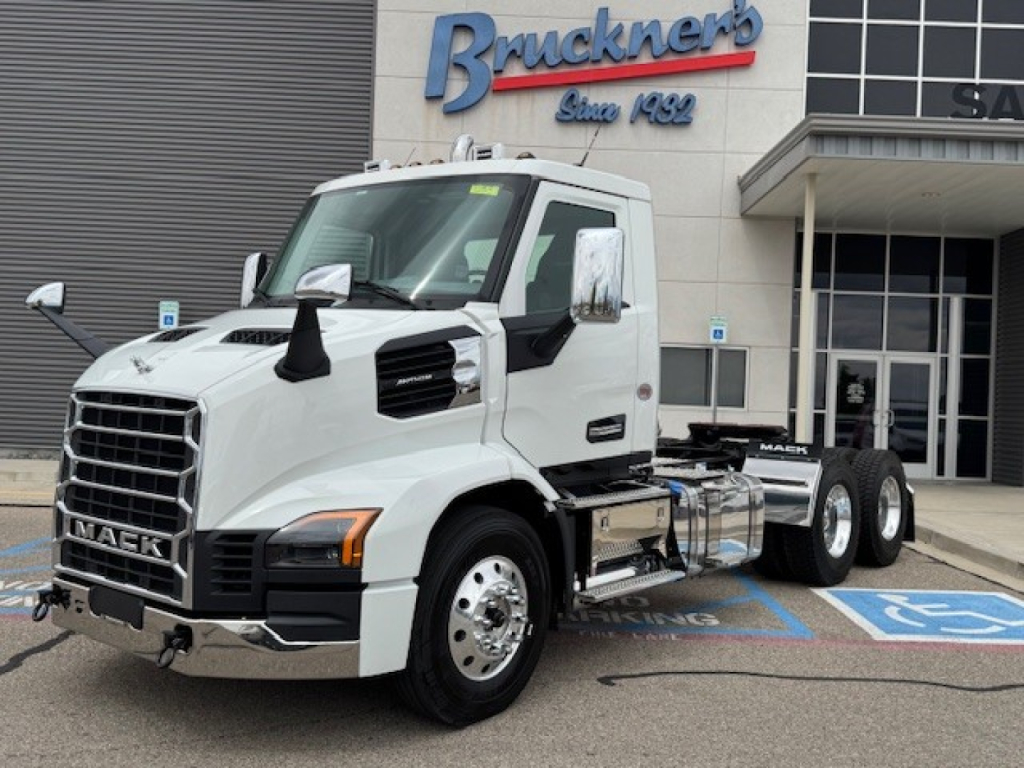

Have commercial truck to sell? List it here to reach thousands of buyers.
Commercial Trucks Near Albuquerque, New Mexico
Frequently Asked Questions about Commercial Trucks Near Albuquerque, New Mexico
What should I compare first when shopping for trucks for sale in Albuquerque, New Mexico?
Start with the intended application and the truck’s weight ratings. GVWR, front axle rating, rear axle rating, wheelbase, and suspension type tell you whether the truck can legally and practically handle the body, payload, and terrain. In Albuquerque, buyers often balance urban maneuverability with interstate and elevation demands, so engine output, rear ratio, and transmission gearing also matter. A box truck for local delivery needs a different setup than a tandem day cab or a roll-off truck working construction and waste routes.
What is the difference between a cab and chassis truck and a box truck?
A cab and chassis truck is an incomplete vehicle designed to accept a body such as a dry van, flatbed, dump body, service body, or reefer body. A box truck, also known as a dry van truck or straight truck, already has an enclosed cargo body installed. Buyers choosing a cab and chassis should confirm wheelbase, cab-to-axle measurement, frame length, PTO capability if needed, and rear axle capacity so the truck matches the planned upfit. Buyers choosing a box truck should focus on body length, interior height, floor construction, door type, liftgate spec, and cargo-control features such as E-track and scuff liners.
Are medium-duty trucks like Isuzu FTR and Hino L6 good for delivery routes?
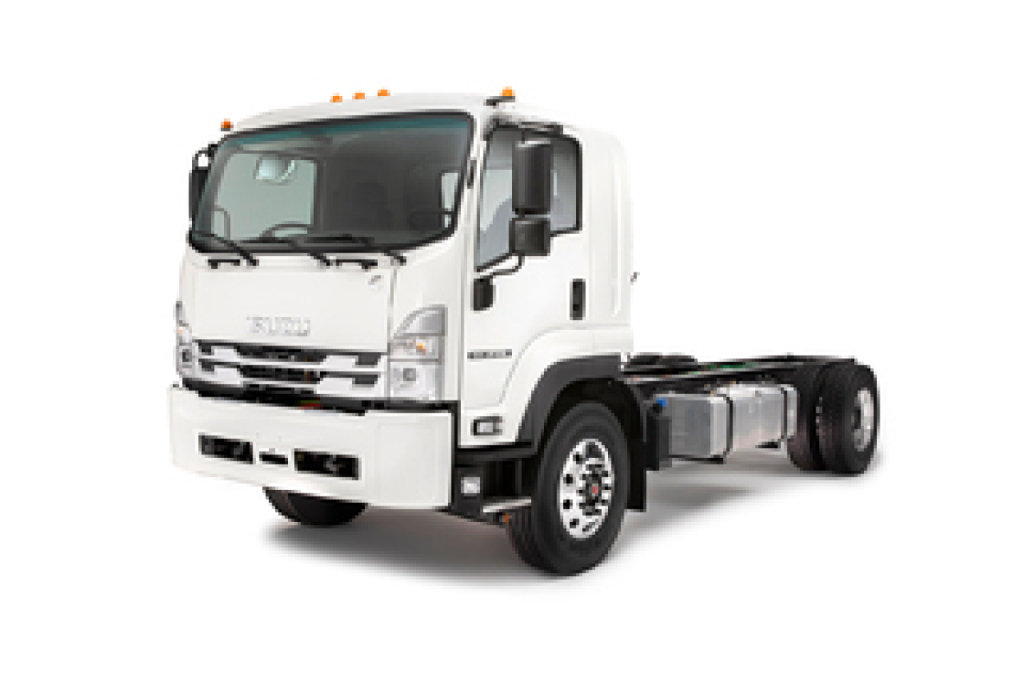
Yes. Medium-duty trucks in this class are commonly used for local and regional delivery, beverage routes, furniture hauling, parcel work, and moving applications. They typically offer GVWRs around the upper end of non-CDL and CDL-required thresholds, diesel engines in the mid-200 horsepower range, and Allison automatic transmissions that perform well in stop-and-go driving. Buyers should pay close attention to body length, wheelbase, turning radius, and liftgate capacity, because those factors directly affect route efficiency and dock access.
What matters most when buying a day cab or vocational Class 8 truck?
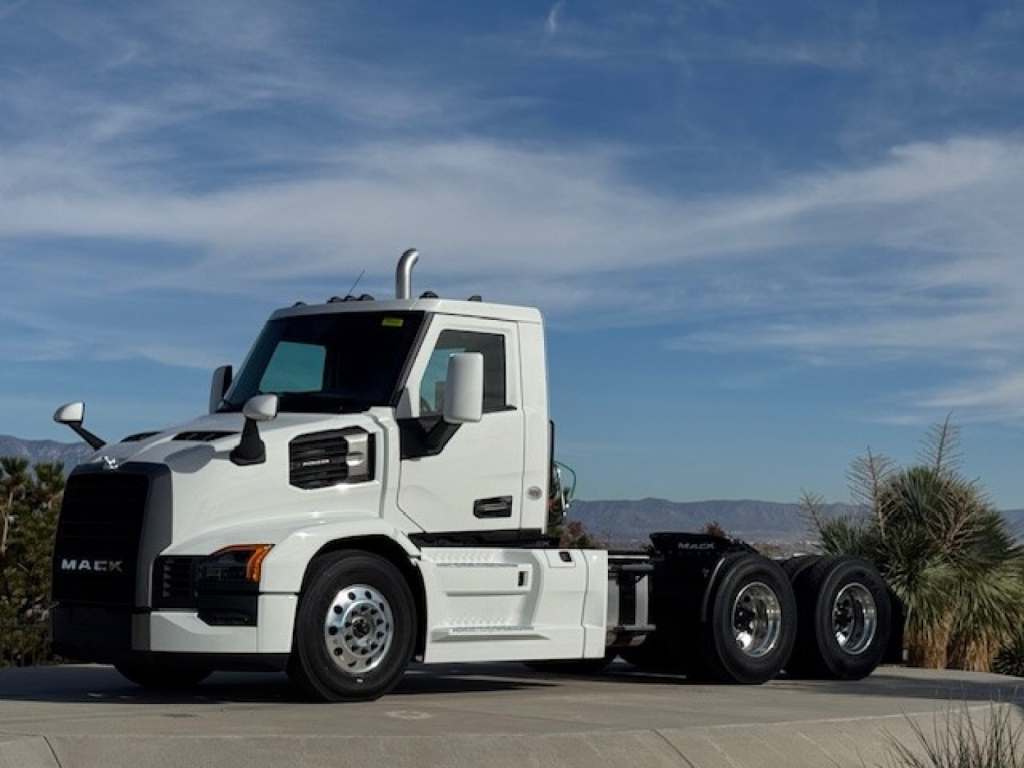
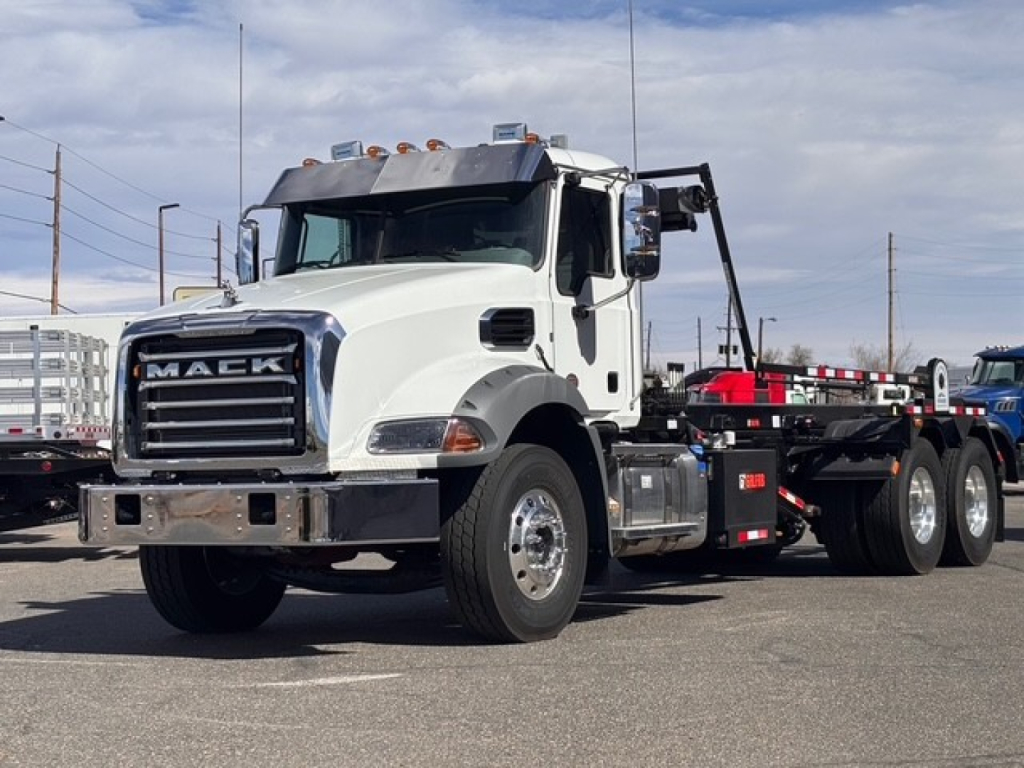
For a day cab, focus on engine horsepower, torque, transmission type, rear axle ratio, suspension, and wheelbase to match the trailer weight and route profile. Regional and local fleet buyers often want overdrive automated manual transmissions, air-ride suspensions, and axle ratios that balance fuel economy with startability. For vocational trucks such as roll-off units, severe-duty frame strength, front axle capacity, rear suspension design, PTO and hydraulic compatibility, and body hoist or hooklift requirements are just as important as engine output. The right spec depends on whether the truck will spend more time on pavement, at transfer stations, or on job sites.
How does wheelbase affect truck selection?
Wheelbase is one of the most important fitment specs because it affects body length, bridge law considerations, ride quality, and maneuverability. On cab and chassis and straight trucks, wheelbase must match the intended body application, such as a 24-foot or 26-foot van body. On tractors and vocational trucks, wheelbase influences turning radius, axle loading, and equipment placement. A buyer should always verify wheelbase together with cab-to-axle and frame dimensions before committing to a body install or trailer setup.