
Commercial Trucks For Sale Near Albion, Indiana
Have commercial truck to sell? List it here to reach thousands of buyers.
Commercial Trucks Near Albion, Indiana
Powertrain specs matter because they directly affect payload, fuel economy, service cost, and driver preference. Common diesel engines in this class include Detroit, Cummins, Paccar, Volvo, and International platforms, often paired with Eaton manual, automated manual, or full automatic transmissions depending on duty cycle. Buyers should look closely at horsepower and torque ratings, rear axle ratio, and whether the truck is geared for heavy haul, regional lanes, or fuel-efficient highway cruising. On used trucks, maintenance history is just as important as the badge on the hood. Oil service intervals, coolant system work, clutch life, DPF and aftertreatment history, tire condition, brake wear, and any recent driveline or suspension repairs can tell you a lot about how the truck has been operated.
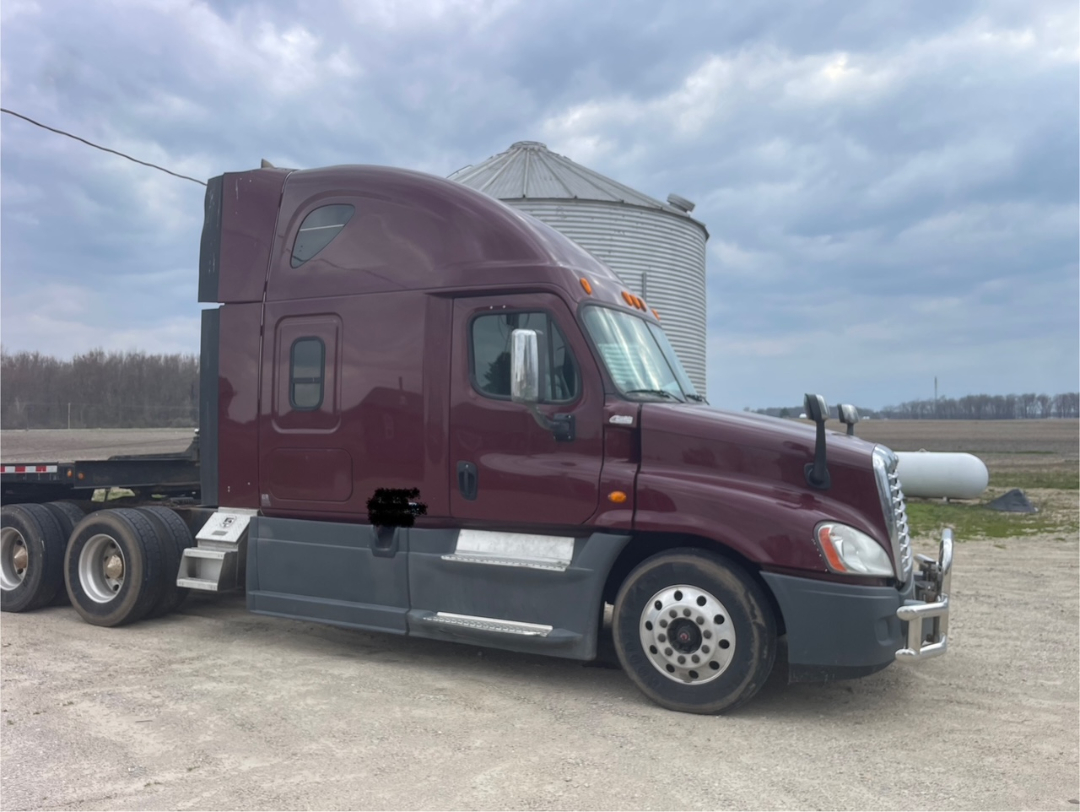
Cab and chassis configuration also deserves careful attention. Sleeper trucks, also known as road tractors or semi trucks, are built for longer runs and driver comfort, with options like double bunks, refrigerators, APUs, inverters, and upgraded seating. Day cabs are typically favored for local and regional work where lower weight, better visibility, and easier maneuverability matter more than onboard living space. Buyers comparing listings should also verify wheelbase, fifth wheel position, fuel tank capacity, front axle and rear axle ratings, and overall GVWR. For vocational or straight truck setups, body type, PTO capability, frame condition, and upfit compatibility can be just as important as engine specs.
A strong truck purchase is usually the result of matching the spec to the route, load, and maintenance plan. In northern Indiana, that often means thinking about cold-weather starts, corrosion exposure, suspension durability on rough secondary roads, and access to parts and dealer support. A truck with the right axle ratio, service records, and cab configuration will usually outperform a cheaper unit that is poorly matched to the job. Buyers who focus on total operating cost, not just purchase price, tend to make better decisions in this category.
Frequently Asked Questions about Commercial Trucks Near Albion, Indiana
What should I check first when buying a used truck?
Start with the truck’s intended application and confirm the basic spec matches the work. Review engine make and rating, transmission type, axle ratio, wheelbase, axle ratings, and GVWR before looking at cosmetic condition. After that, focus on maintenance records, fault codes, aftertreatment history, tire and brake condition, suspension wear, and signs of oil, coolant, or air system problems. A truck with a clean service history and the right spec is usually a better buy than one that only looks good on the surface.
What is the difference between a day cab and a sleeper truck?
A day cab is designed for local or regional work and does not have a sleeping compartment behind the seats. It is usually lighter, shorter, and easier to maneuver in tight areas. A sleeper truck includes a bunk area and additional storage for over-the-road use, making it better suited for multi-day routes and teams. The right choice depends on route length, required driver comfort, and how much cab space is needed for the job.
How important are engine horsepower and rear axle ratio on a used truck?
They are critical because they determine how the truck performs under load and how efficiently it runs at highway speed. Higher horsepower and torque are useful for heavy freight, hilly terrain, and specialized hauling, but they can come with higher fuel burn if the rest of the spec is not balanced. Rear axle ratio affects startability, cruising RPM, and fuel economy. A mismatched ratio can make a truck feel underpowered or unnecessarily expensive to operate, even if the engine itself is strong.
What maintenance items matter most on a higher-mileage truck?
On a higher-mileage truck, buyers should pay close attention to the engine service record, clutch or transmission work, driveline components, suspension bushings, kingpins, wheel seals, brake system condition, and cooling system repairs. DPF cleaning intervals, DEF system repairs, injector history, and any major work on the turbo or EGR system are also important on emissions-equipped trucks. Consistent documentation is a strong indicator that the truck was maintained before problems became expensive failures.
Are sleeper trucks a good choice for regional freight?
They can be, especially if the operation includes occasional overnight runs, team driving, or customer delays that keep the driver away from home longer than planned. A sleeper adds comfort, storage, and flexibility, but it also adds weight and length compared with a day cab. For regional operations, the best choice depends on how often the truck will actually use the bunk and whether the extra cab space justifies the tradeoff in maneuverability and payload.