
New Mack Agriculture Trucks For Sale
Shop new Mack agriculture trucks built for grain, silage, feed, and farm hauling with rugged specs, high payload capacity, and vocational durability.
Learn more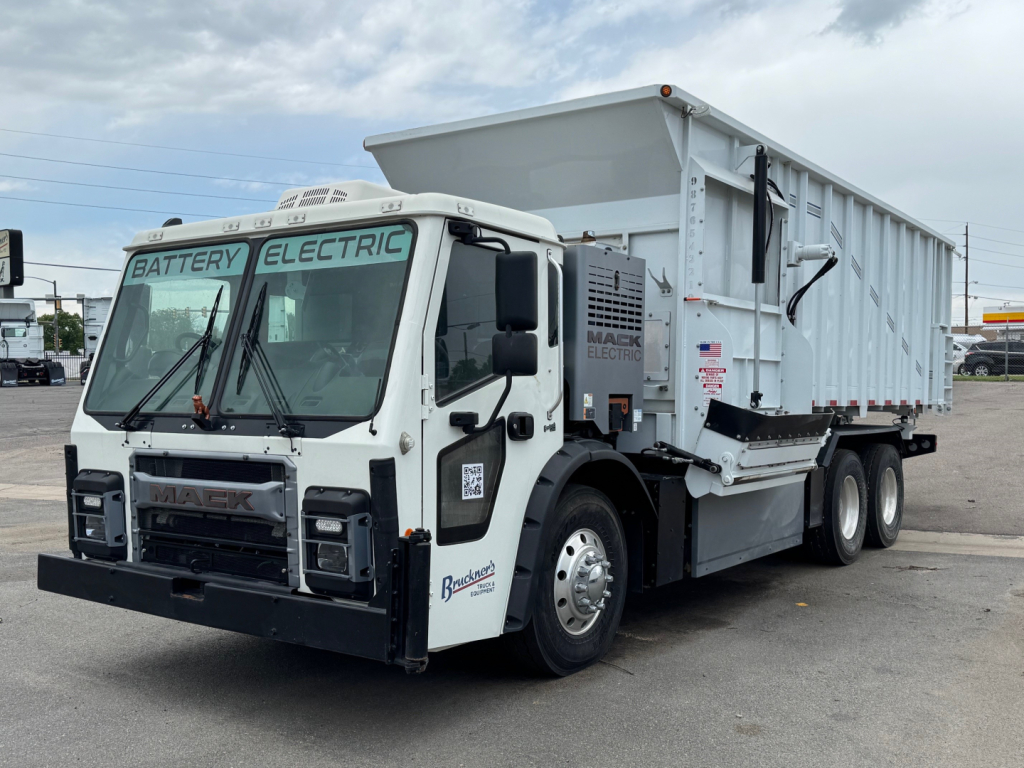
Have new mack agriculture truck to sell? List it here to reach thousands of buyers.
About New Mack Agriculture Trucks
A twin-steer Mack can make sense for higher legal payloads and better front axle distribution when carrying heavier bodies or running in applications where bridge laws and local weight rules matter. Mack vocational platforms are often chosen for their rugged frame rails, heavy-duty front axle options, set-back or set-forward axle configurations depending on the build, and driveline packages suited to stop-and-go hauling. Buyers should look closely at horsepower and torque ratings, transmission type, rear axle ratios, and suspension capacity. For agriculture work, the right spec often comes down to balancing road speed with low-speed control in yards, field approaches, and bin sites.
Body and equipment compatibility is just as important as the chassis. A new ag truck may be configured for hoists, wet kits, PTO-driven augers, conveyor systems, side-discharge bodies, or straight dump applications. Clearance for larger tires, fender setup, fuel tank placement, and back-of-cab room can all affect how easily the truck accepts the body you need. Visibility, turning radius, and cab access also matter on farm lanes and crowded elevator lots. Many buyers also pay attention to corrosion resistance, easy service access, and electrical layout because these trucks often work long days during harvest and need to be simple to maintain.
For operations comparing new Mack agriculture trucks, the key is matching the truck to the crop, terrain, legal weights, and body style rather than buying strictly by horsepower. A truck hauling grain from field to elevator has different needs than one handling silage, fertilizer, or feed delivery. Front axle capacity, rear suspension, brake spec, tire size, and PTO provisions should all be reviewed as part of the complete build. A properly spec'd Mack agriculture truck can serve as a dependable farm truck, grain truck, or heavy vocational hauler with the durability to handle seasonal spikes and year-round utility work.
Frequently Asked Questions
What is a Mack agriculture truck typically used for?
A Mack agriculture truck is typically used for grain hauling, silage transport, feed delivery, fertilizer movement, water hauling, and other farm support work. Many are spec'd as straight trucks with dump bodies, grain bodies, or specialty ag bodies. The exact application depends on axle ratings, PTO setup, suspension, and the body installed on the chassis.
Why would a buyer choose a twin-steer agriculture truck?
A twin-steer agriculture truck is usually chosen to increase front axle carrying capacity and improve weight distribution on heavier builds. That can be important when the truck carries a large body, operates under local bridge formulas, or needs to maximize legal payload. Twin-steer layouts are common in severe-duty and vocational applications where a standard single front axle may not provide enough capacity.
What specs matter most on a new agriculture truck?
The most important specs usually include front and rear axle ratings, wheelbase, suspension type, engine horsepower and torque, transmission, rear axle ratio, PTO provisions, and frame strength. Buyers should also check tire size, brake configuration, fuel capacity, and cab-to-axle measurement because those details affect body fitment and day-to-day performance. The best spec is the one that matches the body, route conditions, and target payload.
Can a new Mack agriculture truck be upfitted for different farm jobs?
Yes. New Mack agriculture trucks are commonly ordered as chassis ready for grain bodies, dump bodies, silage boxes, tanks, auger systems, and other farm-specific equipment. Upfit compatibility depends on frame layout, electrical connections, PTO access, axle placement, and available back-of-cab space. Reviewing the complete chassis layout before body installation helps prevent clearance and performance issues later.
Is a vocational Mack chassis a good fit for both road and farm use?
In many cases, yes. Mack vocational chassis are designed to handle a mix of paved roads, gravel routes, jobsite-like surfaces, and rough farm entrances. A good ag spec will balance durability, payload, maneuverability, and drivability so the truck can move efficiently between field, storage, and delivery points. The key is selecting gearing, suspension, and axle capacities that support both highway travel and low-speed work on uneven ground.