
Commercial Trucks For Sale Near Adkins, Texas
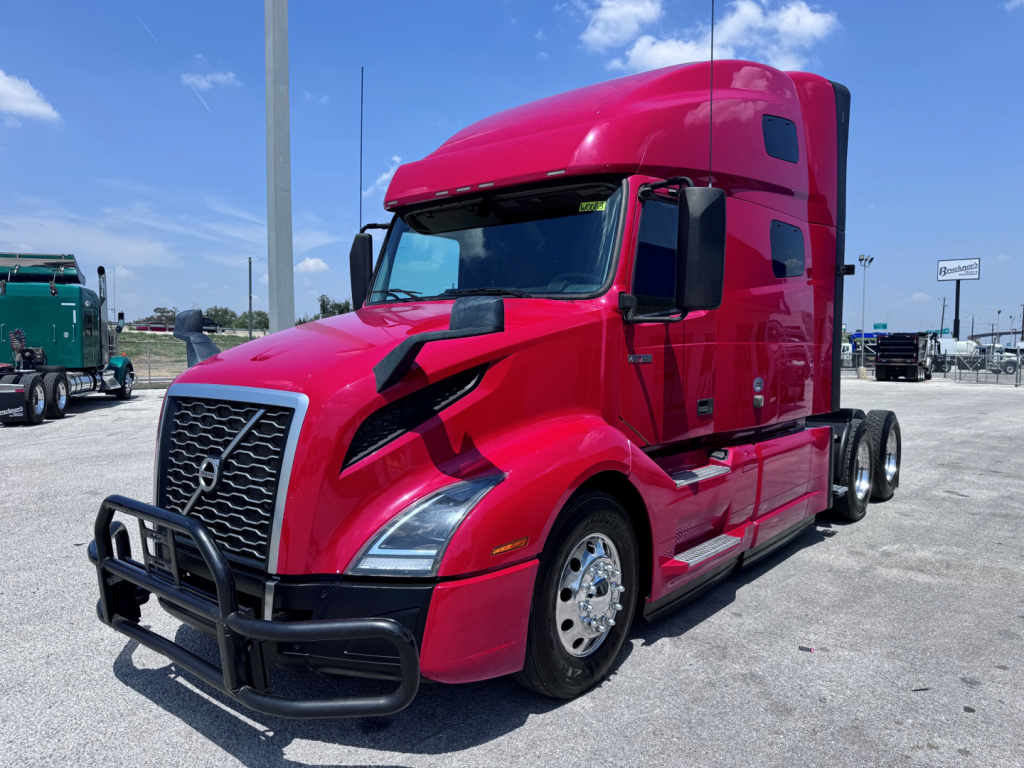
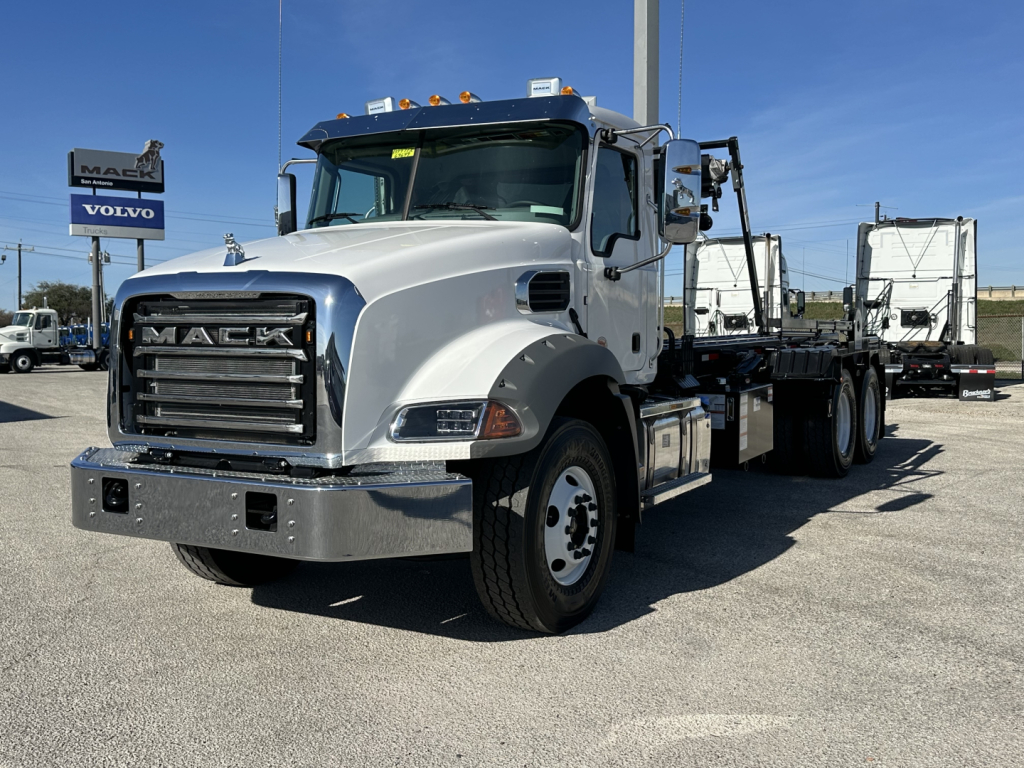
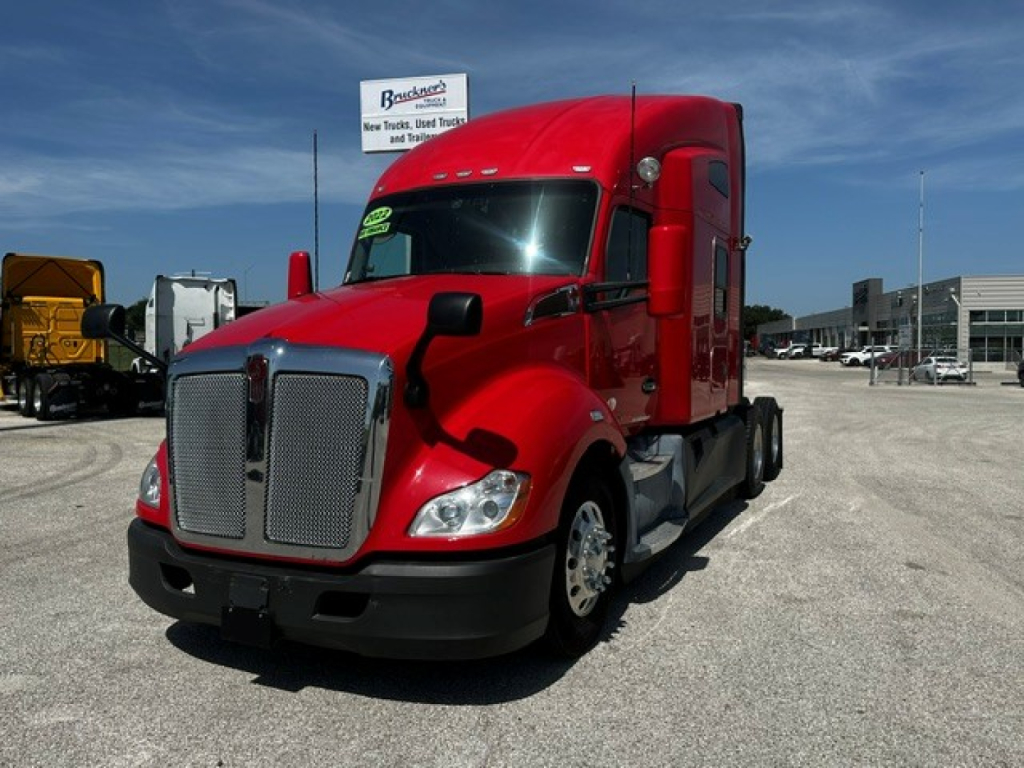
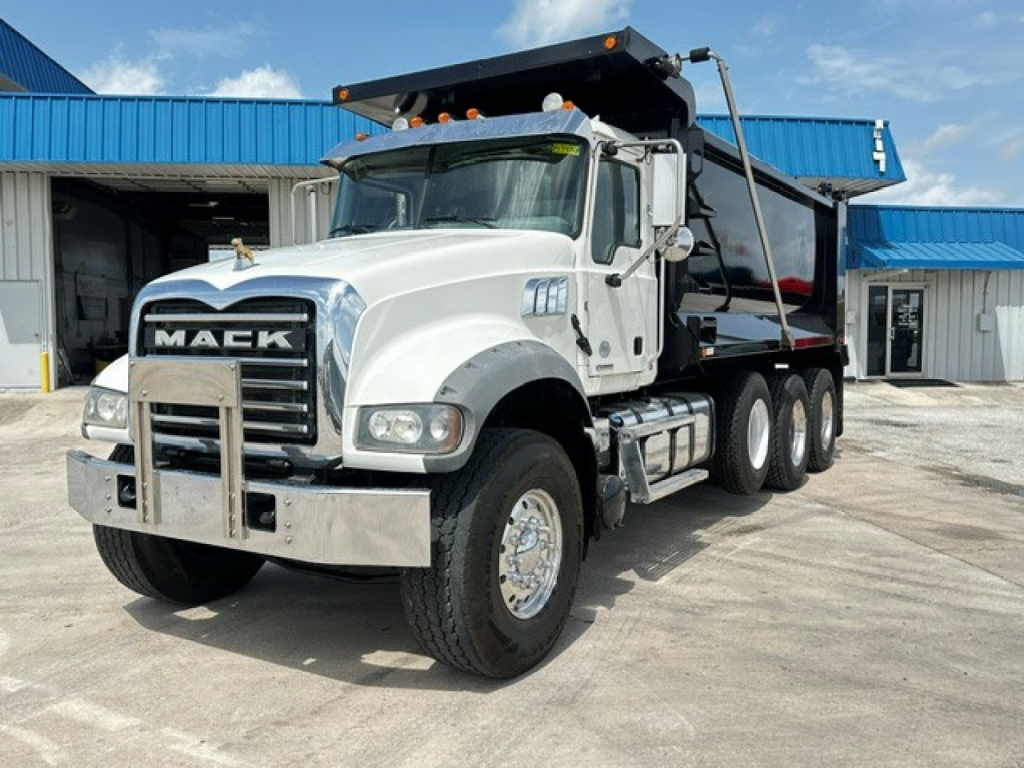
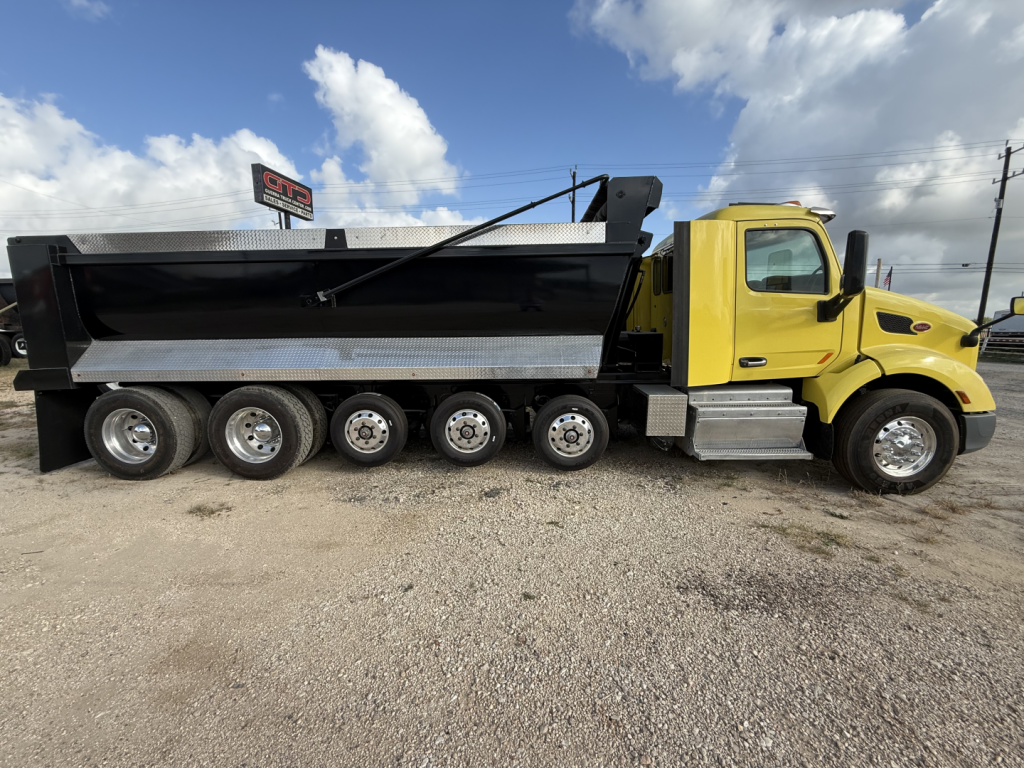
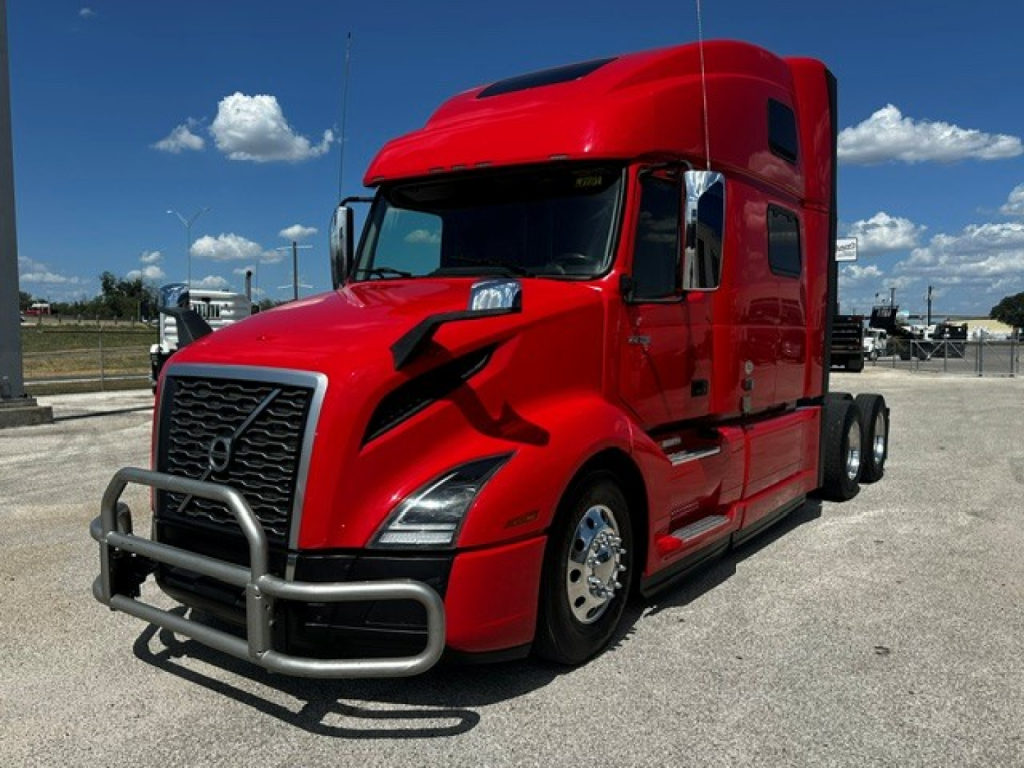
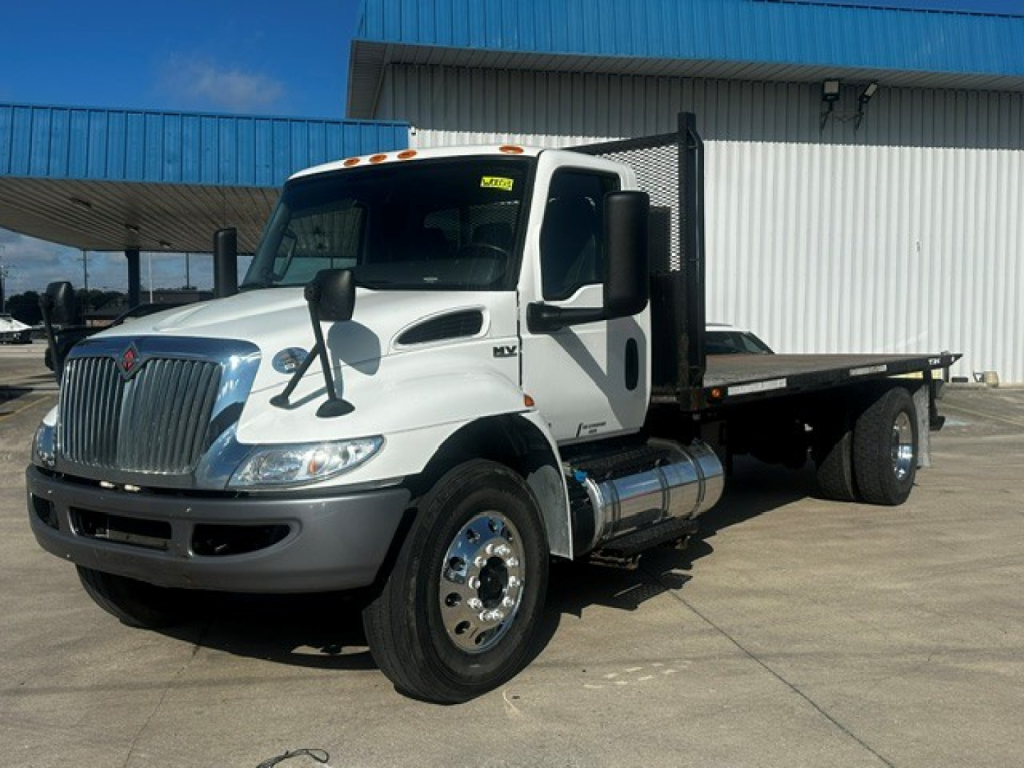
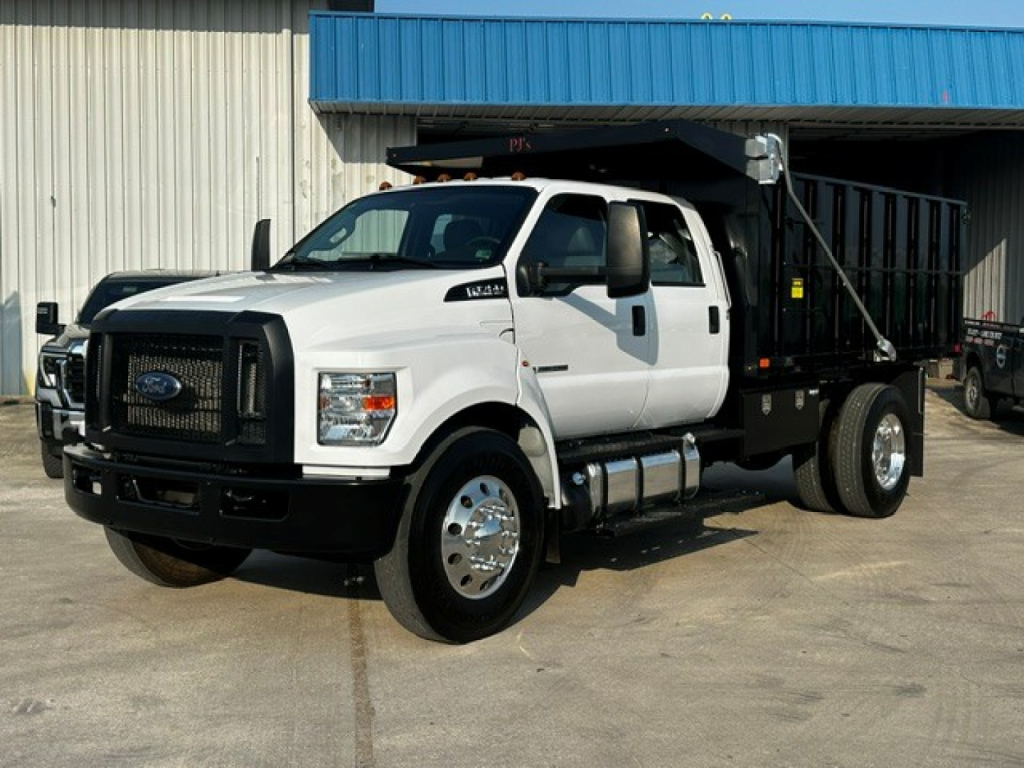
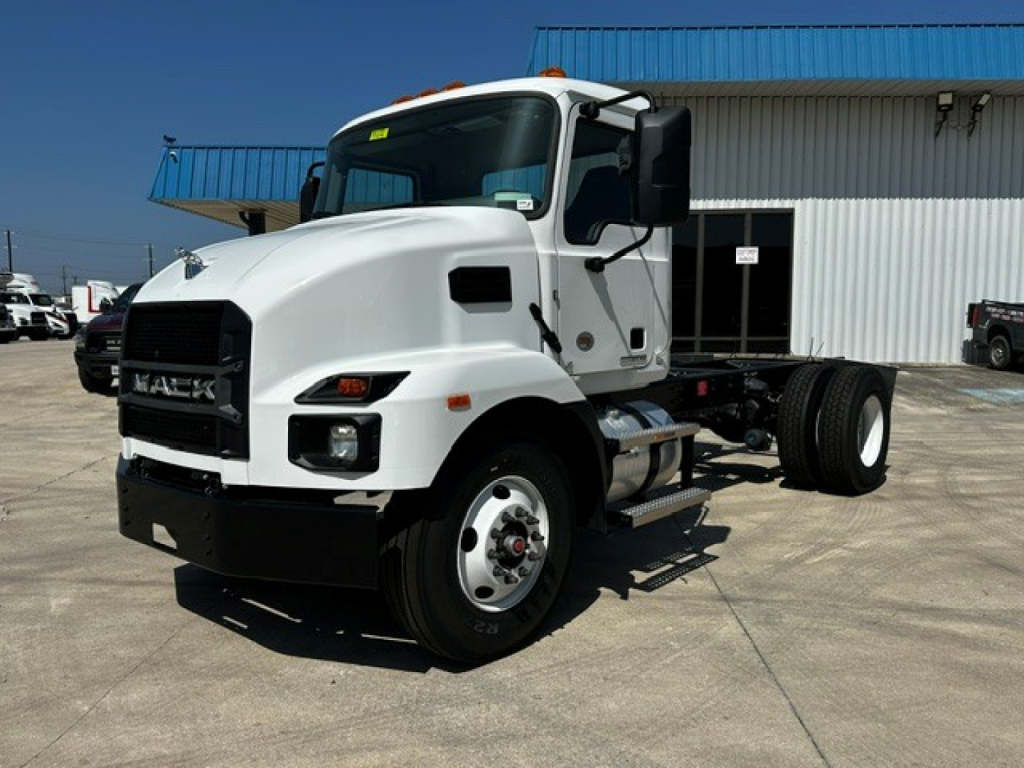
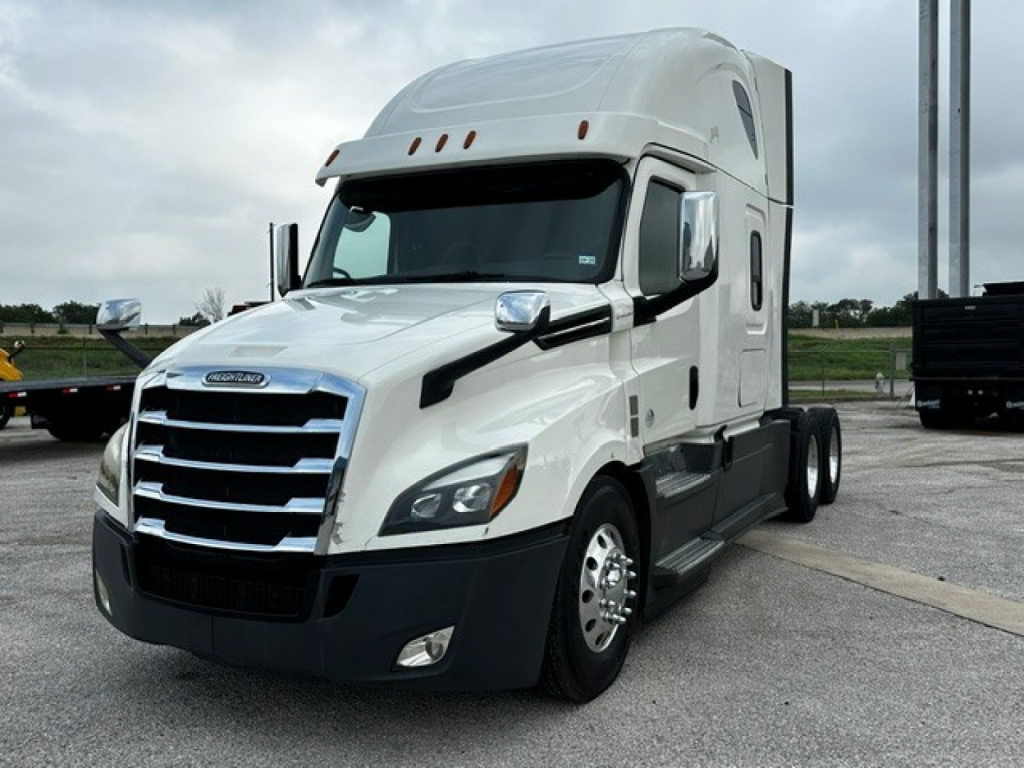
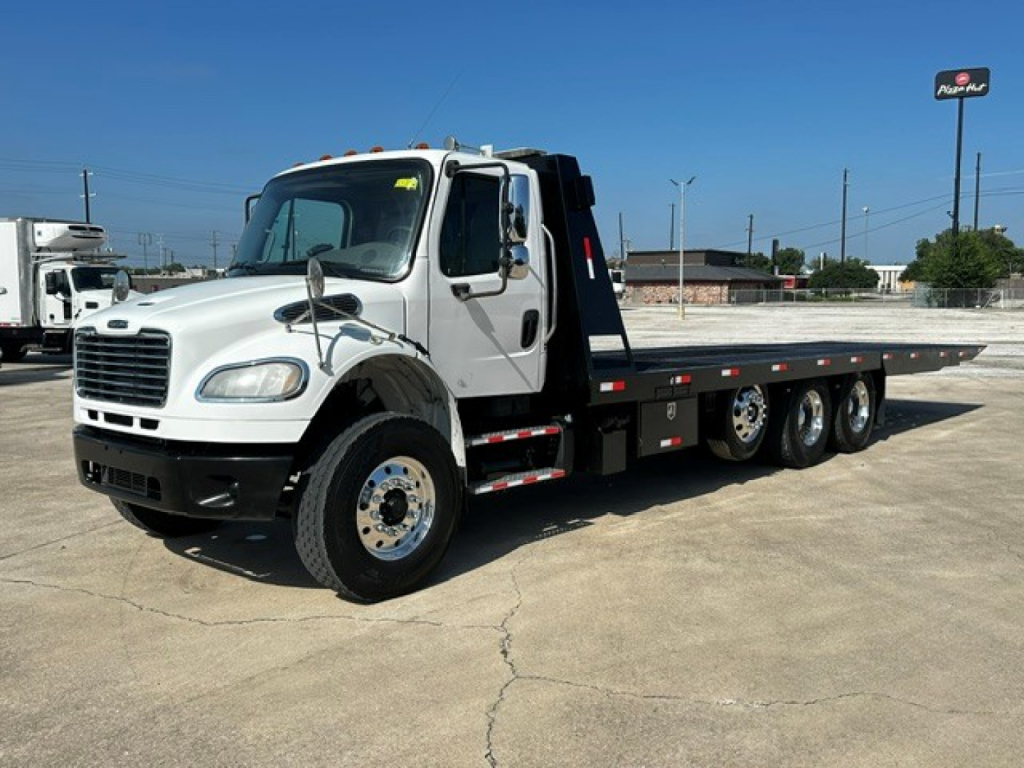
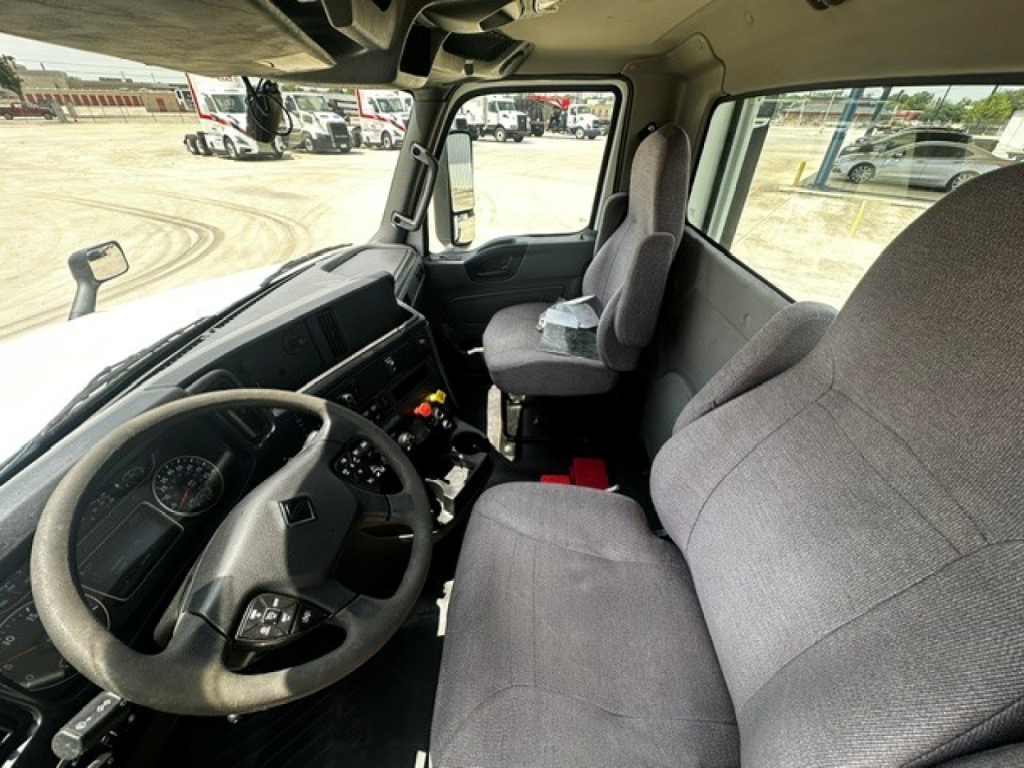
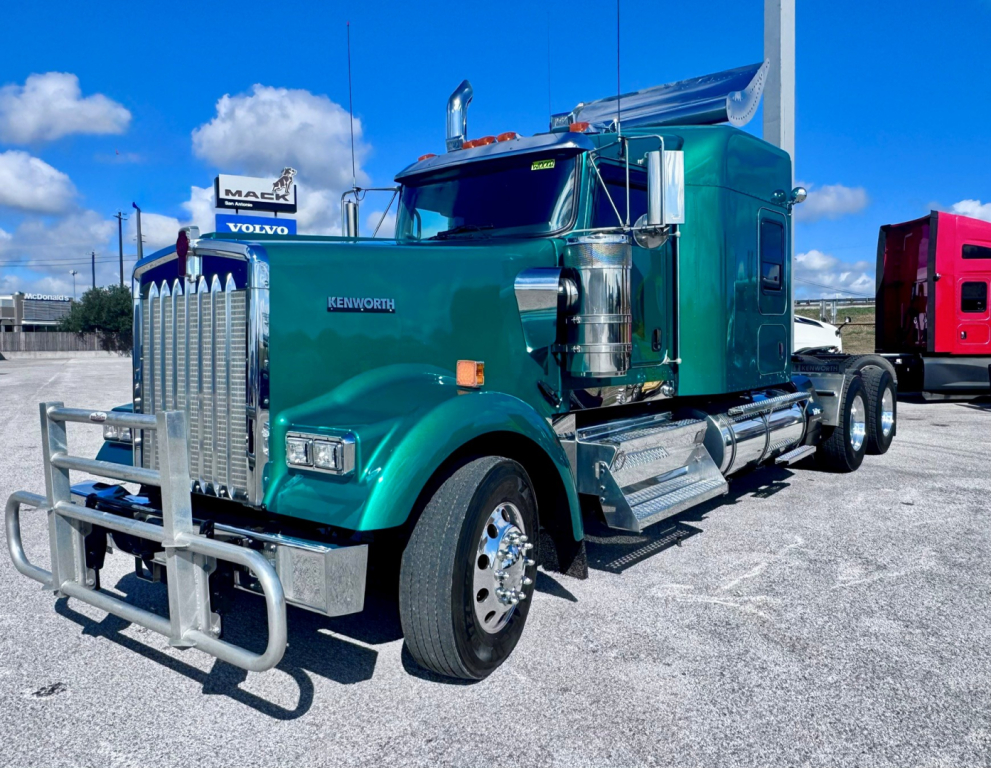
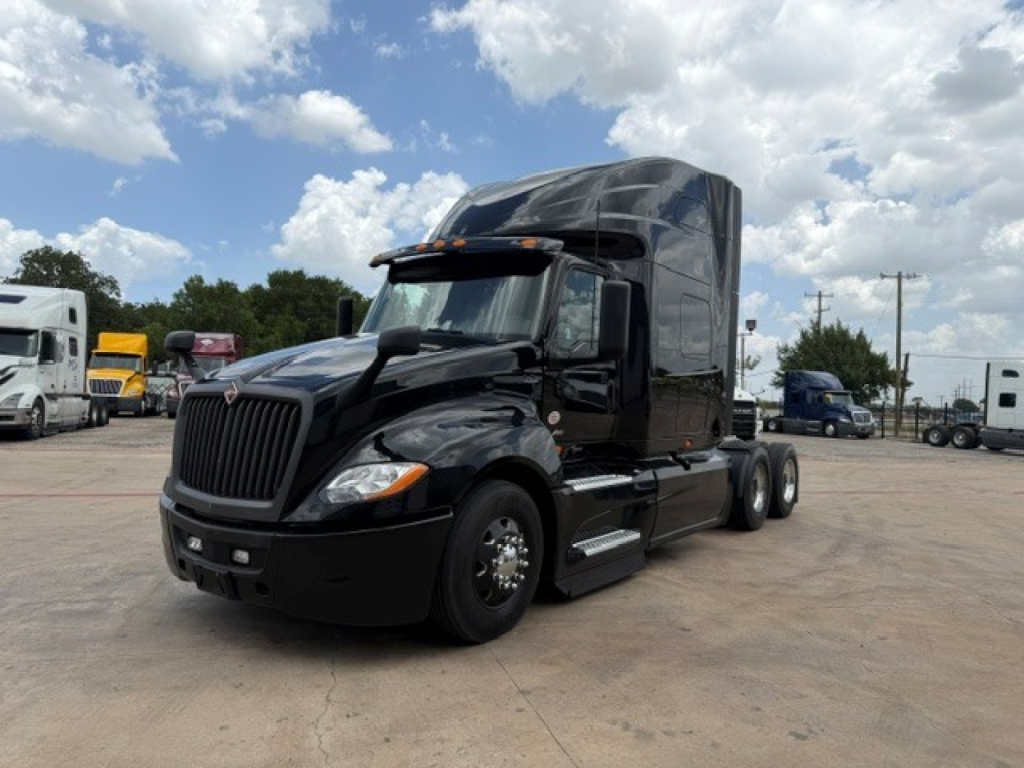
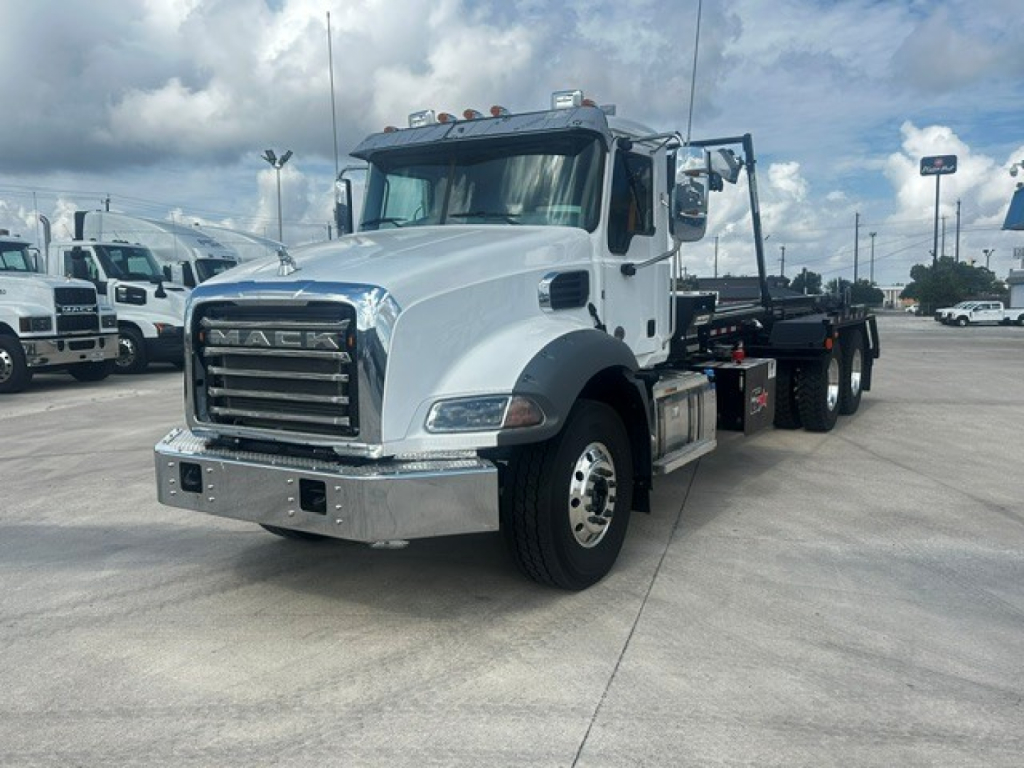
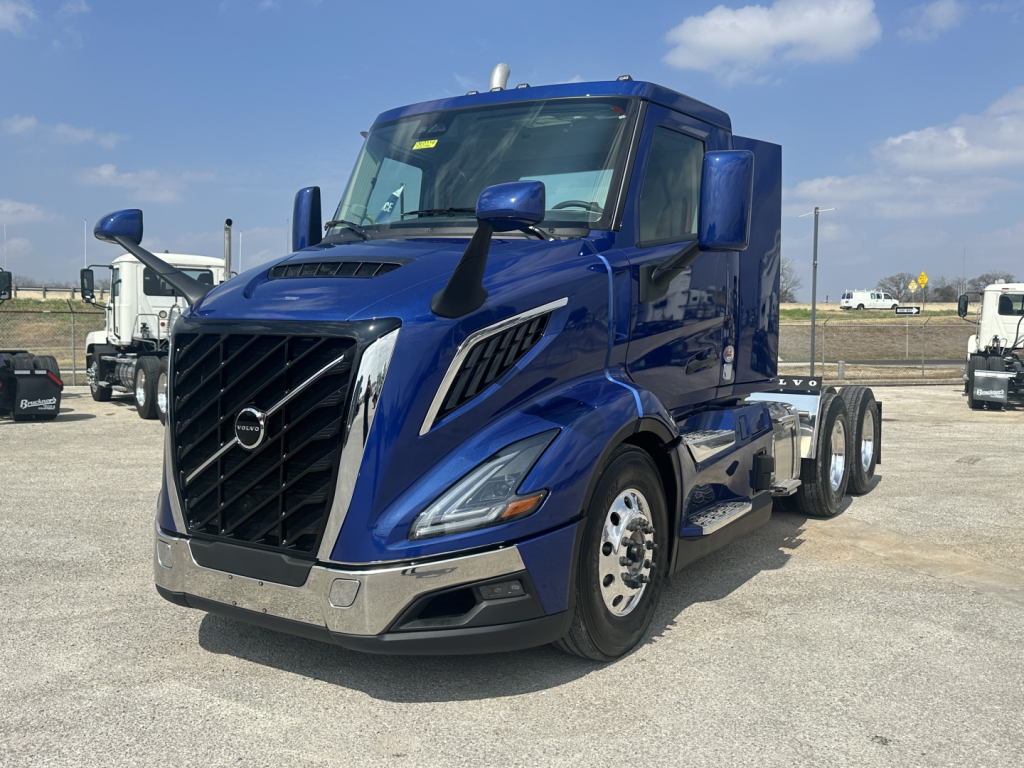
Showing 1 to 24 of 85 results
Have commercial truck to sell? List it here to reach thousands of buyers.
Commercial Trucks Near Adkins, Texas
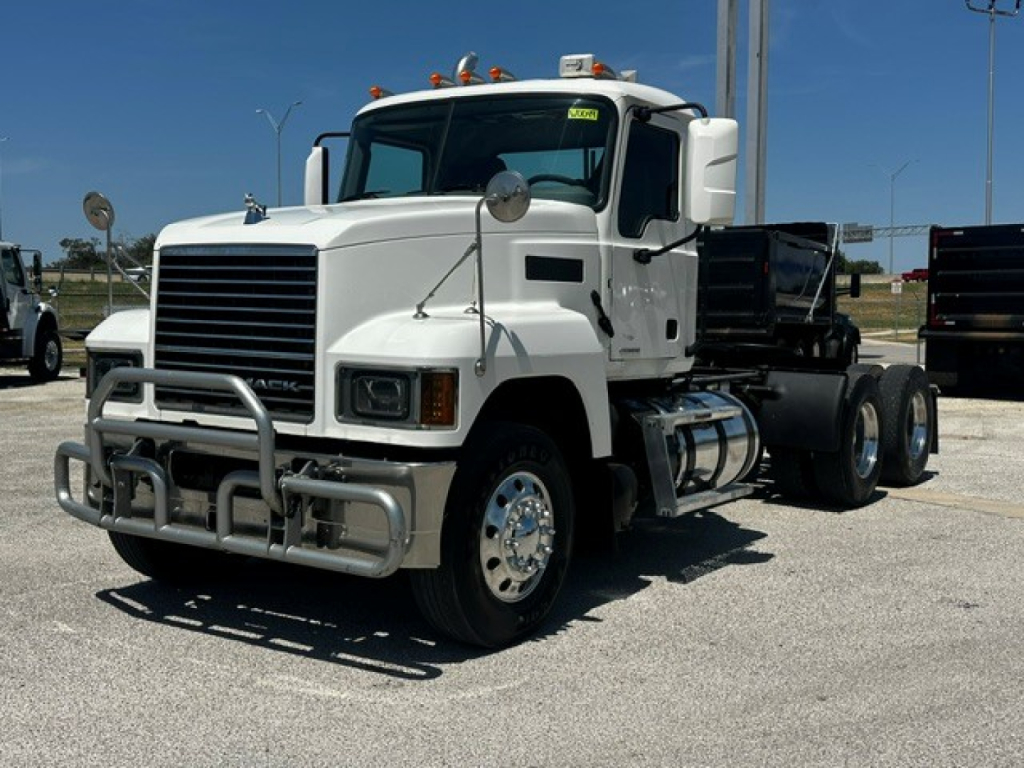
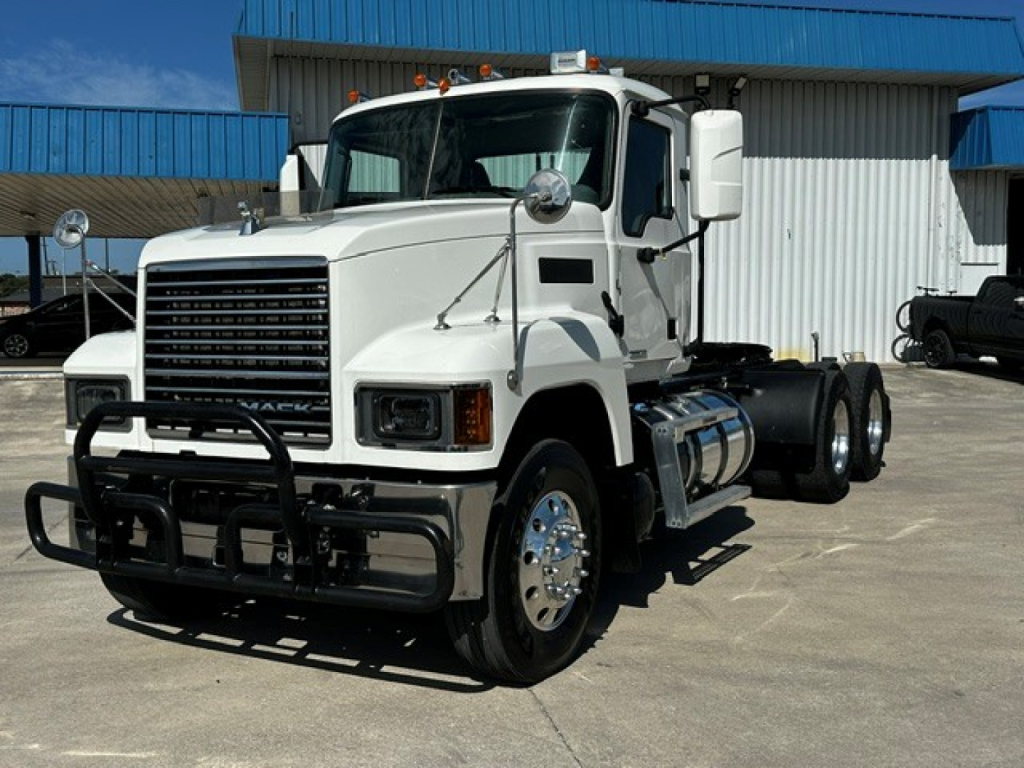
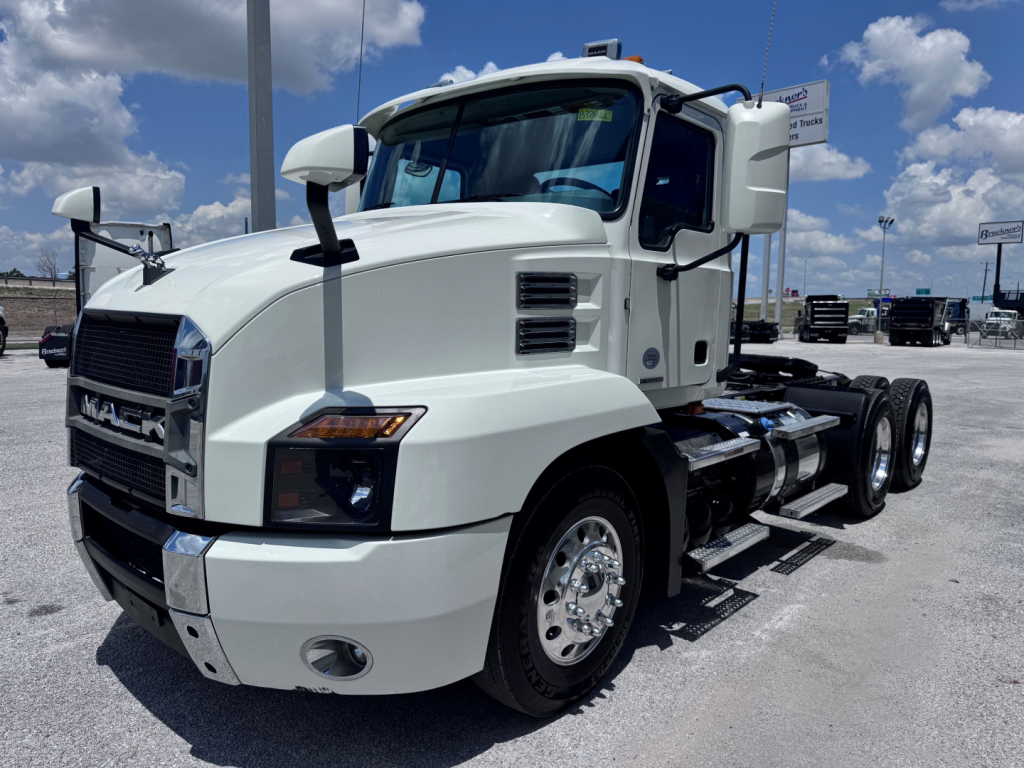
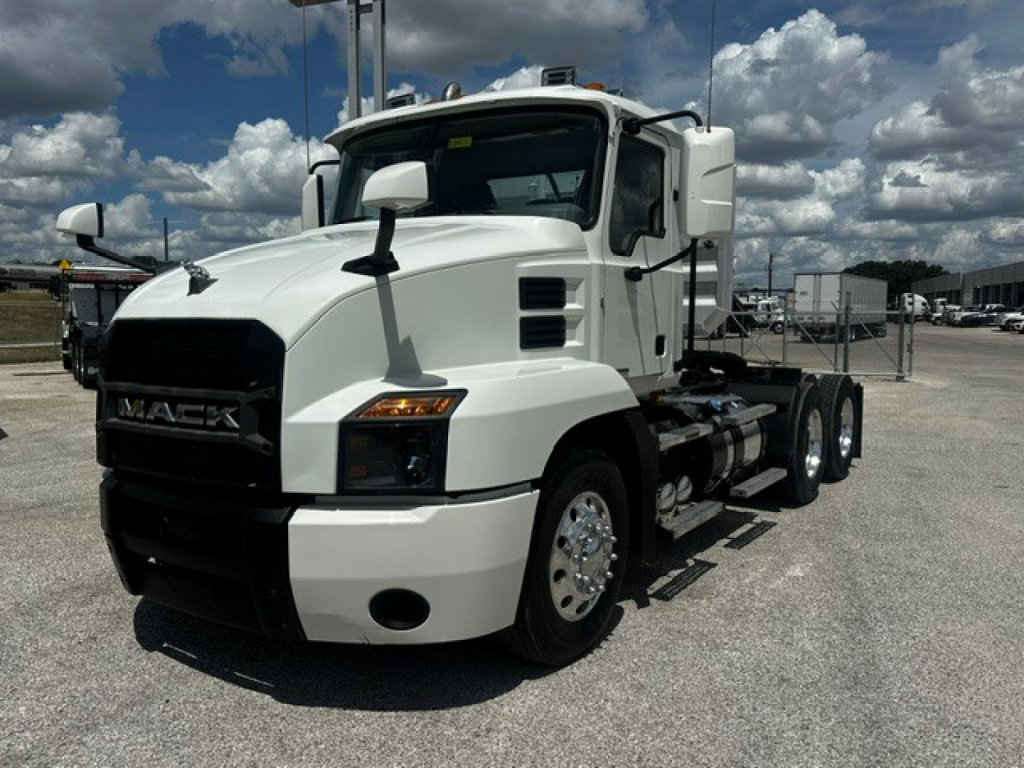
For highway and regional tractors, common buying points include engine ratings in the low-to-mid 400 horsepower range, 12-speed automated transmissions, tandem rear axles, and GVWRs above 50,000 pounds. Wheelbase and rear axle ratio have a direct effect on turning radius, bridge law flexibility, ride quality, and fuel economy. A shorter wheelbase day cab is often a better fit for urban lanes, terminal work, and frequent docking, while a longer wheelbase can support ride stability and certain body or frame requirements. Ratios in the mid-2s typically favor fuel-efficient linehaul performance, while deeper ratios support heavier starts, mixed terrain, and vocational use.
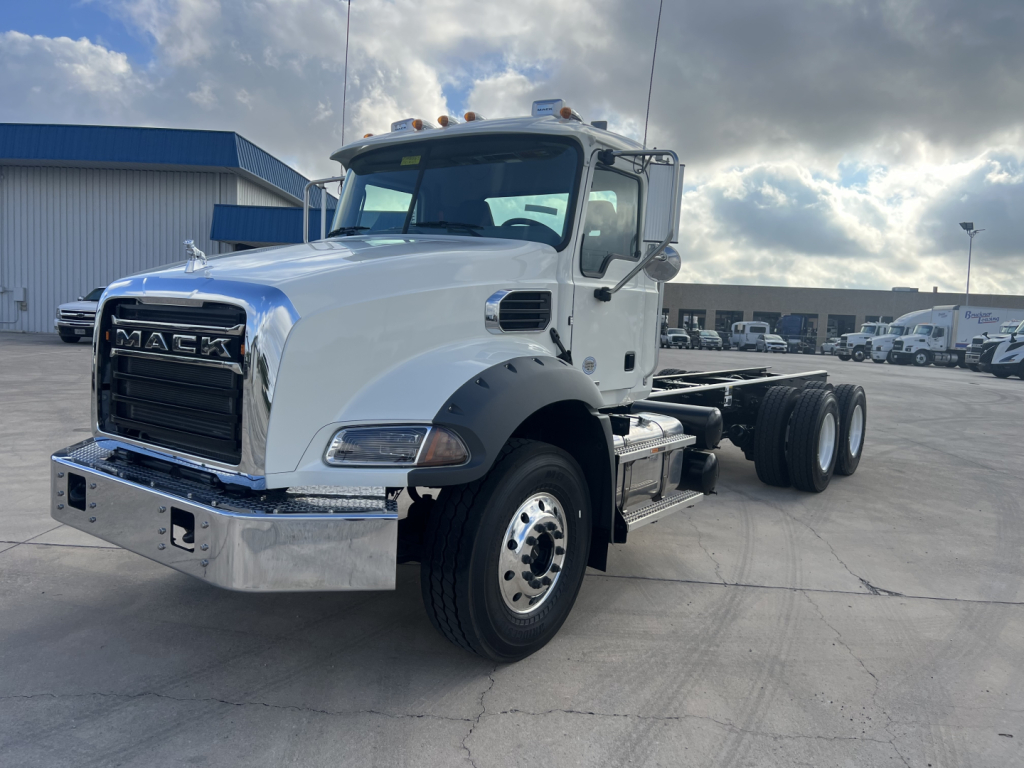
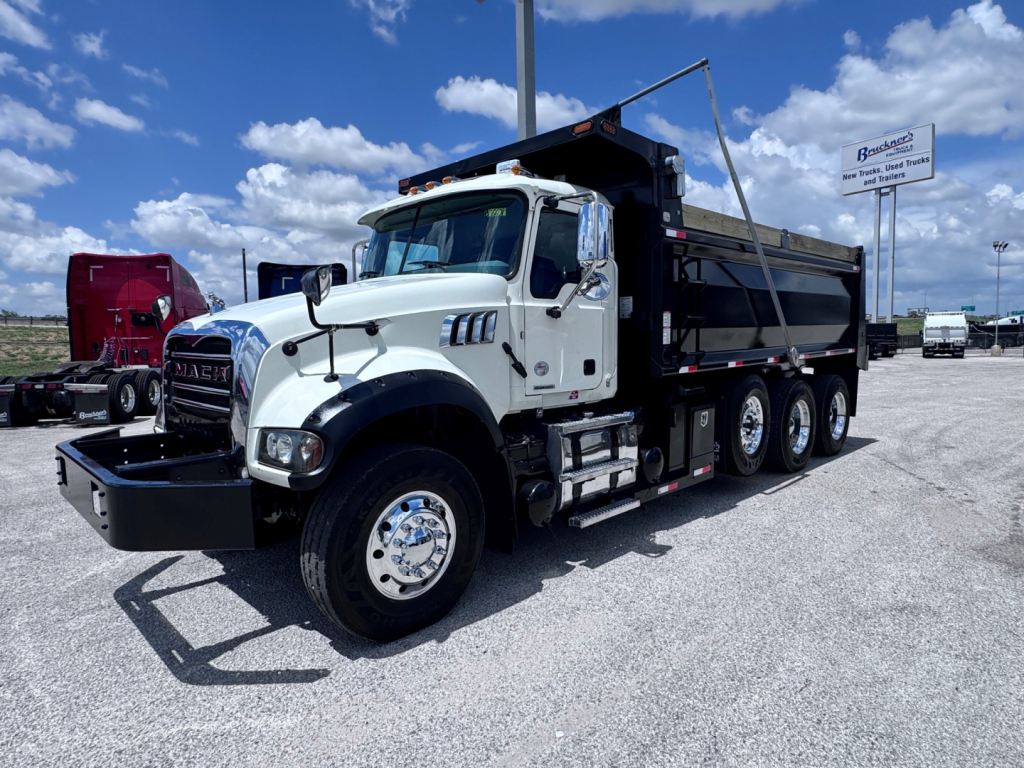
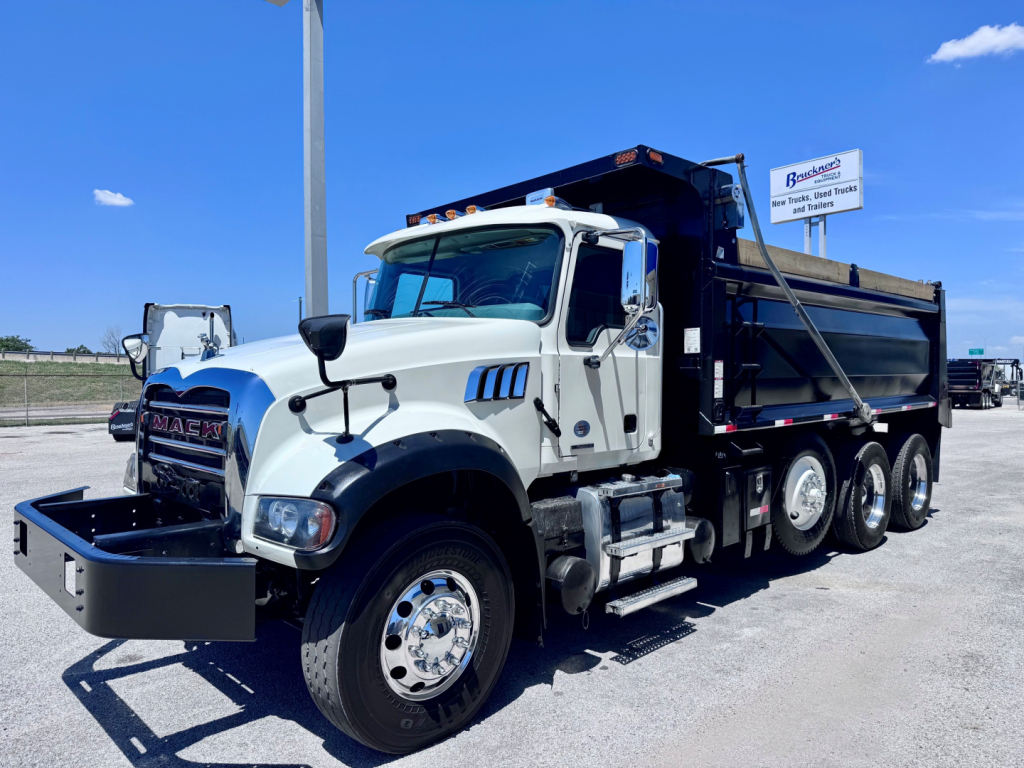
Vocational trucks require a closer look at front axle capacity, frame spec, suspension, brake configuration, and PTO compatibility. A dump truck, also known as a dump body truck or dump chassis when sold before body installation, needs the right balance of legal payload, body allowance, and off-road durability. Refuse trucks, including rear loaders, place different demands on the chassis, especially stop-and-go operation, body integration, and cab access. Buyers in South Texas often pay attention to cooling performance, axle ratings, air-ride versus spring or heavy vocational suspensions, and service access, since heat, dust, and mixed on-road and off-road use can accelerate wear.
A strong used or new truck comparison usually comes down to emissions system condition, transmission calibration, suspension type, axle ratio, and how closely the spec matches the work. For a day cab tractor, verify fifth wheel setup, kingpin setting requirements, frame length, and tire size before assigning a trailer pool. For vocational trucks, confirm body compatibility, PTO provisions, frame reinforcement, and expected legal operating weight. The best truck for sale is not simply the highest horsepower unit. It is the chassis that matches the load, route, and maintenance plan with the fewest compromises.
Frequently Asked Questions about Commercial Trucks Near Adkins, Texas
What is the difference between a day cab truck and a vocational truck?
A day cab truck is typically a highway tractor without a sleeper, designed for regional haul, local freight, drayage, tanker work, and other operations where the driver returns the same day. A vocational truck is built for a task-specific application such as dumping, refuse collection, utility work, or construction service. Vocational specs usually prioritize PTO capability, heavier axle ratings, tougher frames, and jobsite durability over highway fuel economy.
How do I choose the right axle ratio for a truck?
The rear axle ratio should match the truck's load profile, terrain, cruise speed, and transmission setup. Numerically lower ratios such as 2.47 or 2.85 generally support lower engine rpm and better fuel economy in highway service. Numerically higher ratios such as 3.56 improve launch performance and gradeability for heavier loads, city work, and mixed terrain. The correct choice depends on GCW, tire size, top speed targets, and how often the truck starts from a stop under load.
Why does wheelbase matter when buying a truck?
Wheelbase affects maneuverability, bridge spacing, ride quality, and equipment fit. A shorter wheelbase is easier to place in tight yards, alleys, and jobsites, which is important for local and urban operations. A longer wheelbase can improve ride stability and help accommodate larger fuel tanks, body equipment, or specific frame-mounted components. Buyers should also confirm that wheelbase works with fifth wheel location, trailer swing clearance, and state bridge laws.
What specs matter most on a dump truck or refuse truck chassis?
The most important specs are front axle capacity, rear suspension rating, frame strength, PTO provisions, transmission type, and brake configuration. Dump and refuse applications also need enough cooling capacity, the right cab-to-axle dimension, and proper body integration points. A truck that looks heavy-duty on paper can still be a poor fit if the frame, axle spread, or PTO setup does not match the body and the route.
Is an automated manual transmission a good choice for commercial trucks?
In many fleets, a 12-speed automated transmission is a strong choice because it improves shift consistency, reduces driver fatigue, and can help protect the driveline from poor shifting habits. It is common in both regional haul tractors and many vocational applications. Buyers should still confirm the transmission calibration, PTO compatibility if needed, and service support in their operating area, because software setup and application matching are just as important as the transmission model itself.