
2026 Trucks For Sale
Shop 2026 trucks by spec, from lightweight day cabs to reefers. Compare floor strength, tare weight, thermal integrity, corrosion protection updates.
Learn morePopular Trucks Categories
404 Listings

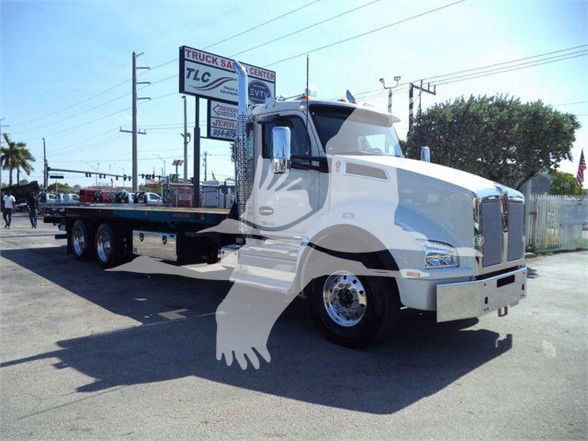
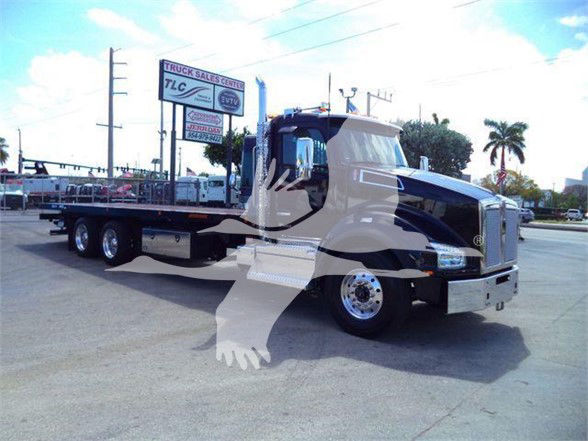
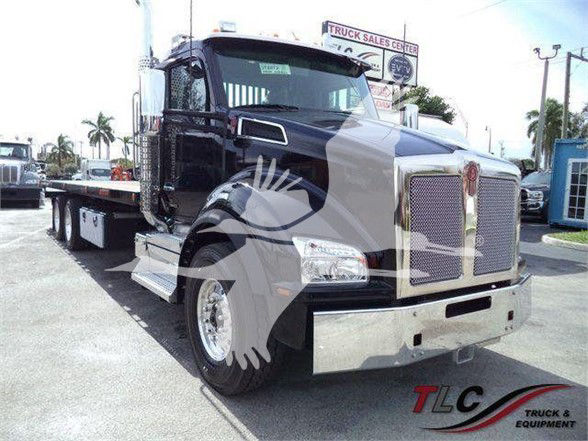
Showing 397 to 404 of 404 results
Have 2026 truck to sell? List it here to reach thousands of buyers.
About 2026 Trucks
2026 trucks span Class 4 to Class 8, covering day cabs, long haul sleepers, straight box and reefer trucks, and vocational chassis. Powertrain choices include efficient diesel with advanced aftertreatment, near zero NOx natural gas for regional work, and battery electric for urban routes. Automated manual transmissions dominate for consistency and fuel efficiency, while ADAS such as automatic emergency braking, lane departure warning, and adaptive cruise improve safety and reduce fatigue. Spec alignment still drives total cost, so match wheelbase, axle ratios, GCW targets, and fifth wheel height to the lanes and terrain your fleet runs.
Tare weight is a profit lever. Aluminum wheels, fuel tanks, crossmembers, and battery boxes can trim hundreds of pounds, composite fairings save more, and a 6x2 axle configuration with liftable tag can cut weight and rolling resistance compared to a 6x4, though traction management in poor conditions is a trade off. Wide base singles reduce weight and rolling drag, duals offer redundancy and traction. High strength steel rails with proper RBM maintain frame integrity at lower section weight, and air ride drive suspensions protect freight but add some pounds versus steel spring. Typical 2026 day cabs can be kept near 16,000 to 18,000 pounds depending on fuel and spec, sleepers often land in the high teens, and medium duty Class 6 non CDL boxes around 15,000 to 17,000 pounds, leaving payload governed by GVWR and body choice.
Floor strength and thermal integrity matter most on straight trucks with dry van or reefer bodies. Laminated hardwood floors in the 1.38 to 1.5 inch range with tightly spaced crossmembers handle 16,000 to 20,000 pound forklift ratings, aluminum threshold plates and 12 to 24 inch scuff liners protect high impact zones, and logistics posts or e track secure freight without compromising wall panels. Reefer bodies rely on foam in place insulation, thermal breaks at sills, tight door seals, and duct or flat aluminum floors to balance airflow with cleanability, choosing the floor type affects washout time and traction for pallet jacks. Cab thermal performance also affects operating cost, tighter sleepers with better insulation, solar control glass, diesel fired bunk heaters, and battery HVAC cut idle time and extend APU or hotel battery runtime in hot or cold climates.
Corrosion resistance is a long game. 2026 models benefit from e coat or powder coated frames, aluminum or composite cabs, galvanized or stainless hardware, sealed harnesses with Deutsch connectors, and improved splash management around aftertreatment. In salt belt service, undercoating, frequent wash cycles, and stainless rear frame accessories slow rust, for BEV trucks, sealed IP rated enclosures and proper coolant chemistry protect high voltage components. Air disc brakes resist fade and reduce service time, TPMS helps protect casings and fuel economy, and factory telematics track fault codes and maintenance intervals to prevent small issues from becoming downtime. Resale value on 2026 semi trucks improves with specs that control tare weight, keep bodies tight and dry, and demonstrate documented corrosion protection over the first ownership cycle.
Tare weight is a profit lever. Aluminum wheels, fuel tanks, crossmembers, and battery boxes can trim hundreds of pounds, composite fairings save more, and a 6x2 axle configuration with liftable tag can cut weight and rolling resistance compared to a 6x4, though traction management in poor conditions is a trade off. Wide base singles reduce weight and rolling drag, duals offer redundancy and traction. High strength steel rails with proper RBM maintain frame integrity at lower section weight, and air ride drive suspensions protect freight but add some pounds versus steel spring. Typical 2026 day cabs can be kept near 16,000 to 18,000 pounds depending on fuel and spec, sleepers often land in the high teens, and medium duty Class 6 non CDL boxes around 15,000 to 17,000 pounds, leaving payload governed by GVWR and body choice.
Floor strength and thermal integrity matter most on straight trucks with dry van or reefer bodies. Laminated hardwood floors in the 1.38 to 1.5 inch range with tightly spaced crossmembers handle 16,000 to 20,000 pound forklift ratings, aluminum threshold plates and 12 to 24 inch scuff liners protect high impact zones, and logistics posts or e track secure freight without compromising wall panels. Reefer bodies rely on foam in place insulation, thermal breaks at sills, tight door seals, and duct or flat aluminum floors to balance airflow with cleanability, choosing the floor type affects washout time and traction for pallet jacks. Cab thermal performance also affects operating cost, tighter sleepers with better insulation, solar control glass, diesel fired bunk heaters, and battery HVAC cut idle time and extend APU or hotel battery runtime in hot or cold climates.
Corrosion resistance is a long game. 2026 models benefit from e coat or powder coated frames, aluminum or composite cabs, galvanized or stainless hardware, sealed harnesses with Deutsch connectors, and improved splash management around aftertreatment. In salt belt service, undercoating, frequent wash cycles, and stainless rear frame accessories slow rust, for BEV trucks, sealed IP rated enclosures and proper coolant chemistry protect high voltage components. Air disc brakes resist fade and reduce service time, TPMS helps protect casings and fuel economy, and factory telematics track fault codes and maintenance intervals to prevent small issues from becoming downtime. Resale value on 2026 semi trucks improves with specs that control tare weight, keep bodies tight and dry, and demonstrate documented corrosion protection over the first ownership cycle.