
2026 Other Trucks For Sale
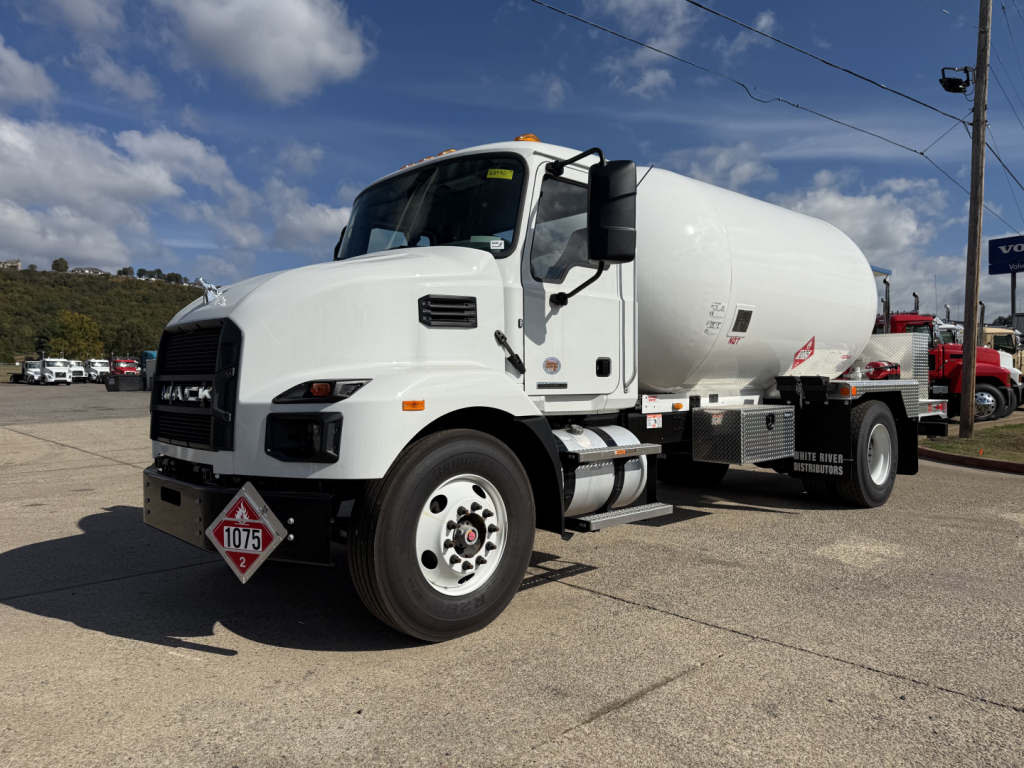
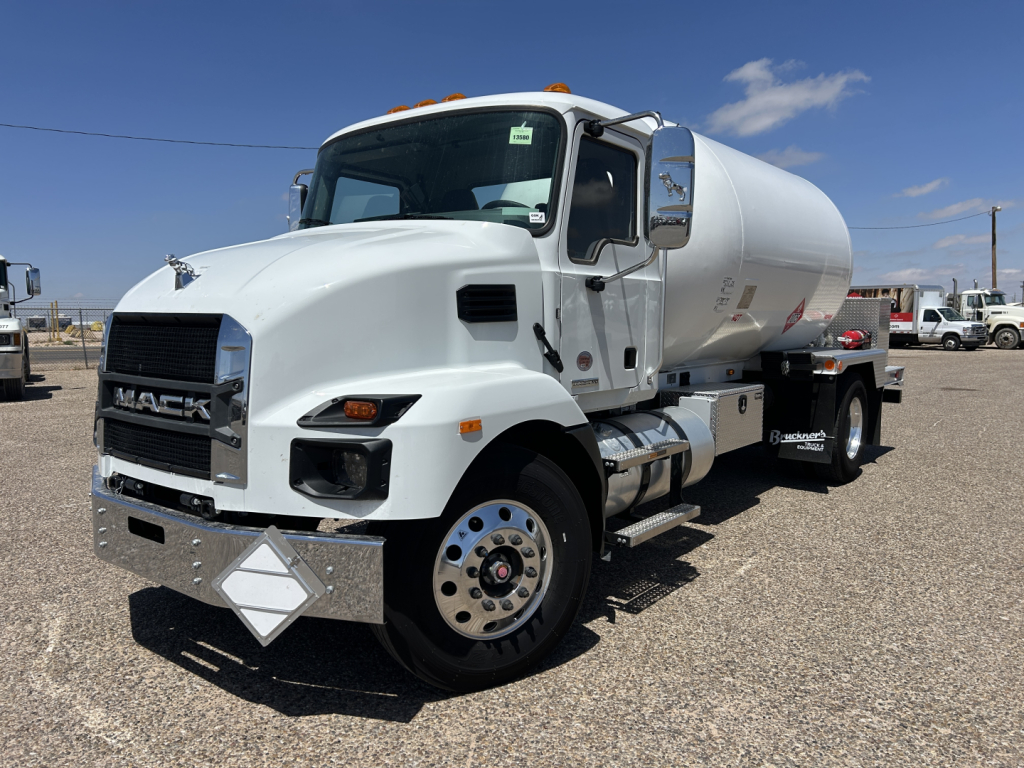
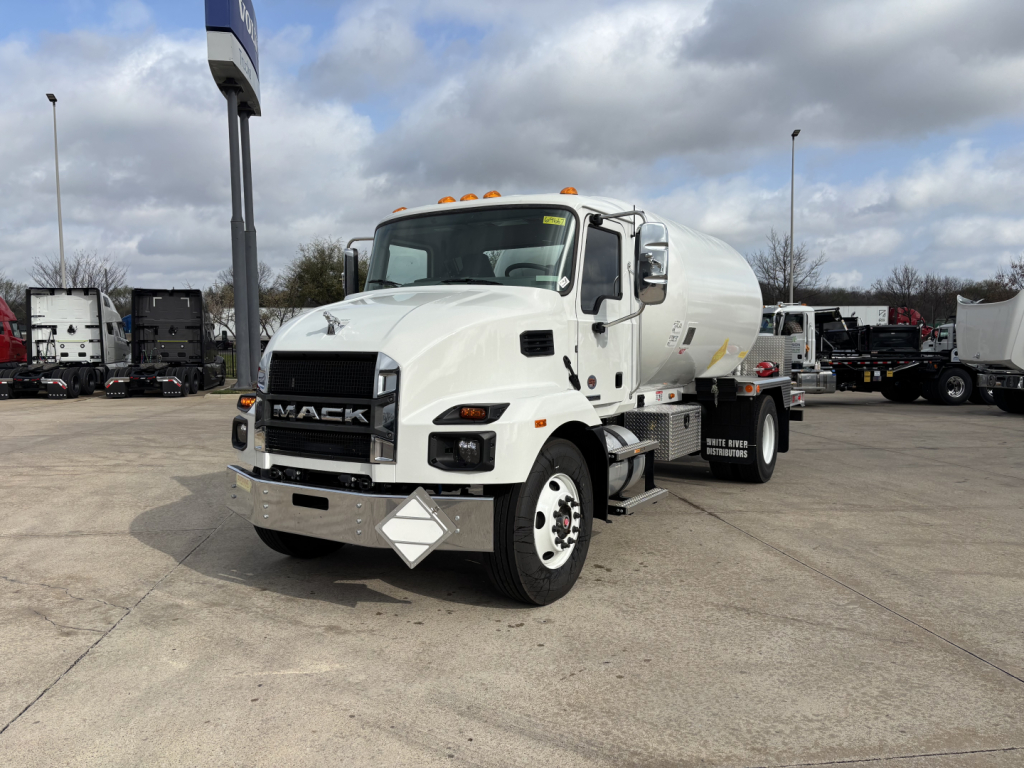
Shop 2026 other trucks including propane bobtails, specialty bodies, utility units, and vocational platforms built for dedicated fleet work.
Learn moreBrowse Other Trucks by Make
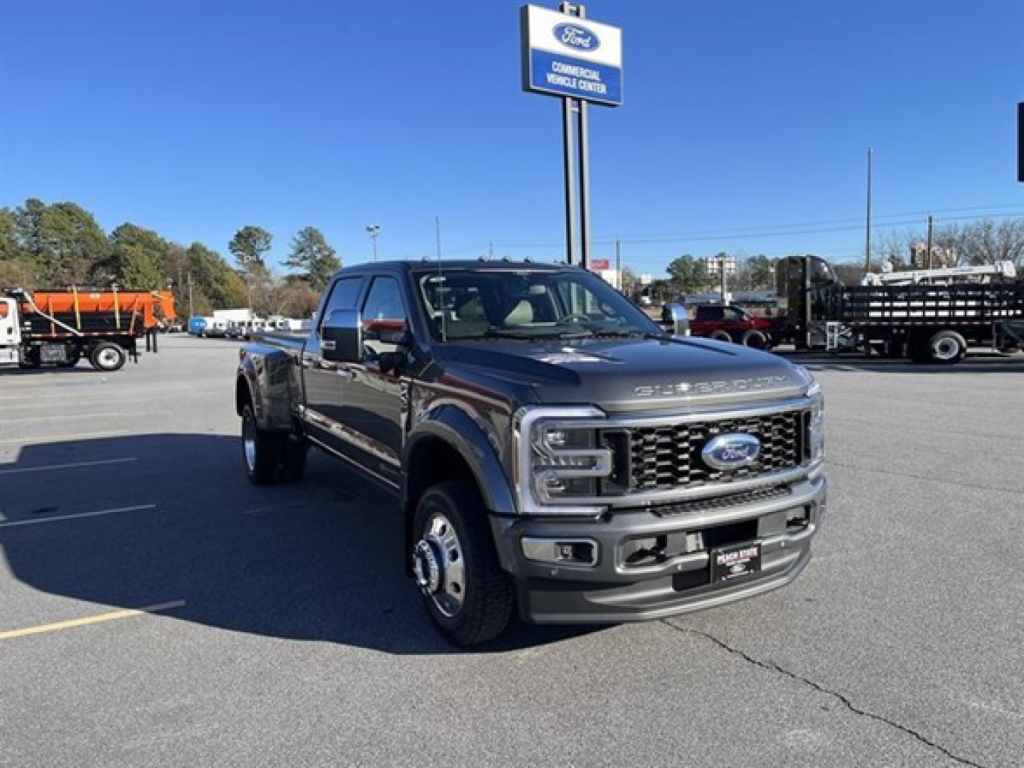
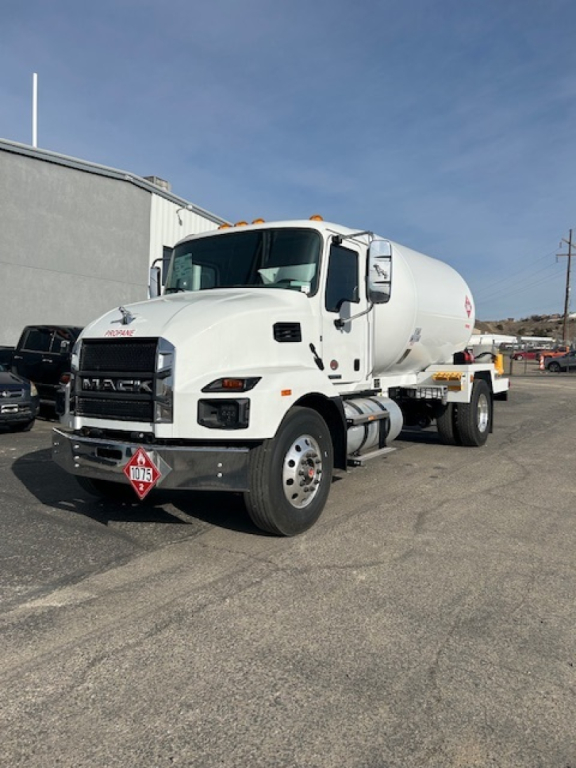
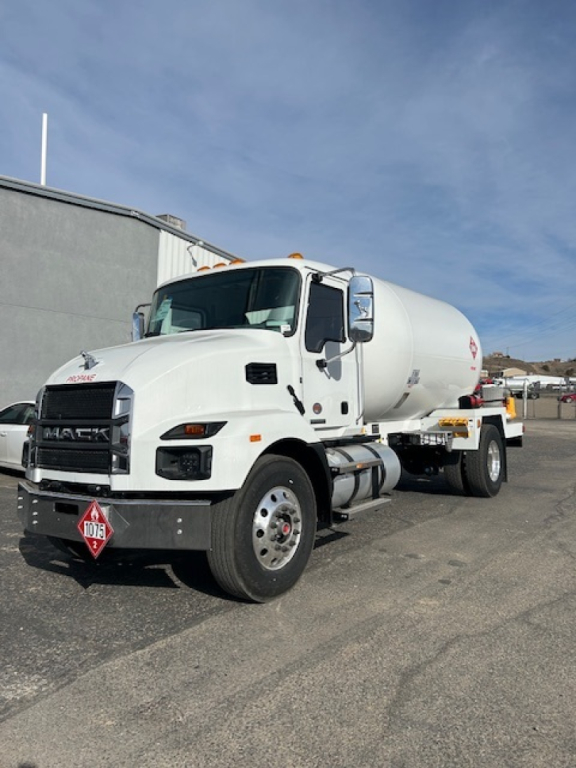
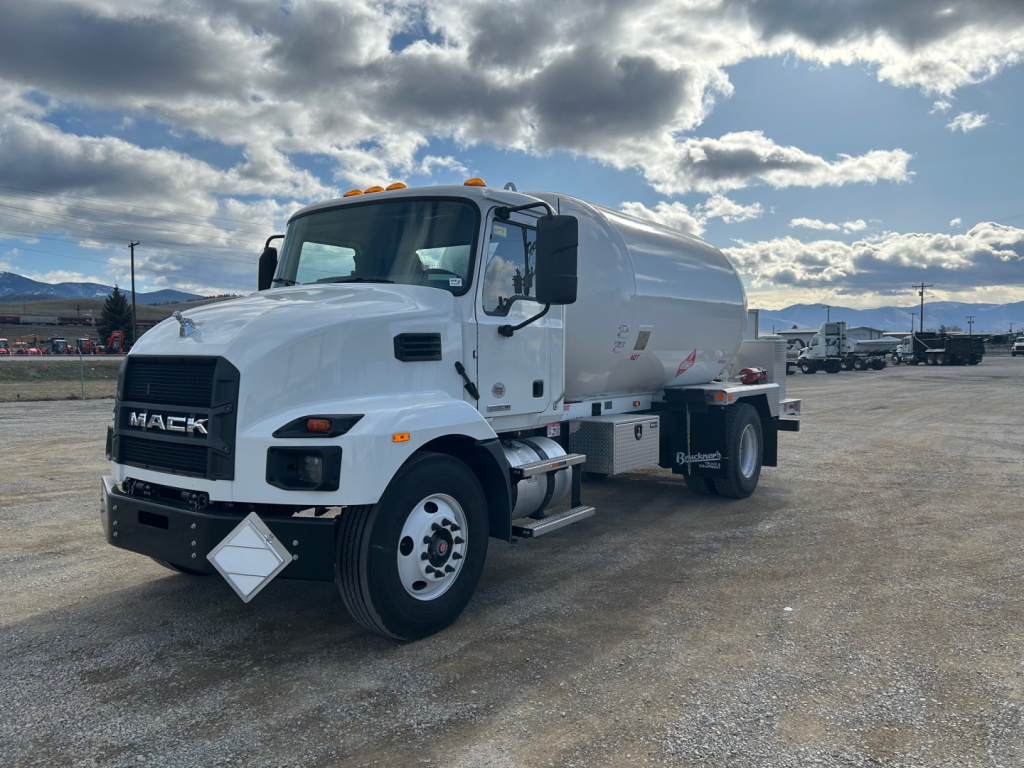
Have 2026 other truck to sell? List it here to reach thousands of buyers.
About 2026 Other Trucks
For many buyers, the first decision is medium-duty versus heavy-duty platform. A Class 4 or 5 truck may suit lighter service work, municipal support, or compact specialty bodies, while Class 6 through 8 chassis are common for larger tanks, spreaders, pump systems, and higher payload applications. Common specs to compare include GVWR, front and rear axle capacity, wheelbase, engine output, transmission type, PTO provisions, suspension, brake configuration, and body manufacturer. Diesel power remains common in this segment, often paired with automatic transmissions such as Allison units for stop-and-go route work and operator consistency. If the truck carries product, fluid, aggregate, or specialized equipment, tank size, hopper capacity, pump ratings, plumbing layout, and safety equipment deserve as much attention as engine hours or mileage.
Application matters more in this category than in almost any other truck segment. A propane bobtail needs attention to tank capacity, metering system, hose reel setup, chassis stability, and applicable code compliance. A cement or material spreader should be evaluated for body condition, conveyor or auger function, controls, spread pattern, and corrosion resistance. A fire or emergency support truck calls for careful review of pump hours, tank condition, electrical load capacity, warning systems, and service history on mission-critical components. Many other trucks are highly regional, so buyers should also think about road salt exposure, emissions rules, bridge laws, maneuverability on tight routes, and local licensing or operator requirements.
Because these trucks are specialized, replacement cost and downtime can be driven by body equipment more than by the base chassis. Buyers should confirm parts support for the mounted equipment, inspect PTO-driven systems under load, and review any certification, calibration, or testing records tied to the body. On late-model 2026 trucks, it is also smart to look at driver-assist features, upfitter electrical integration, telematics compatibility, and factory warranty coverage across both chassis and body components. A well-matched specialty truck can deliver excellent productivity, but only if the truck's build sheet aligns closely with the actual work cycle.
Frequently Asked Questions
What types of trucks are usually listed under the other trucks category?
Other trucks typically include specialty and vocational units that fall outside standard body styles. Common examples are propane bobtails, fire trucks, spreader trucks, municipal service units, utility trucks, and custom upfit chassis. The category is broad, so buyers should focus on the truck's exact body configuration, mounted equipment, and intended application rather than the label alone.
What should I inspect first on a specialty truck?
Start with the mounted equipment and how it interfaces with the chassis. On a specialty truck, the pump system, tank, spreader body, hydraulic package, PTO, controls, plumbing, and electrical integration often matter more than the basic engine and cab. A truck can have a solid drivetrain and still be a poor buy if the body equipment is worn, unsupported, or mismatched to the job.
Are medium-duty chassis sufficient for most other trucks?
Many specialty applications work well on medium-duty chassis, especially route delivery, lighter municipal work, and compact service bodies. The right answer depends on payload, tank or body capacity, axle loading, terrain, and duty cycle. If the truck will carry dense product, operate PTO-driven equipment for long periods, or run in severe service, a heavier chassis with higher GVWR and stronger axle ratings may be the better long-term fit.
How important is body manufacturer support on an other truck?
Body manufacturer support is critical because many repairs and replacement parts are tied to the upfit, not the chassis OEM. Tanks, pumps, metering systems, control modules, hydraulic components, and specialty valves may require model-specific parts and service knowledge. Before buying, confirm that parts are still available and that qualified technicians can support both the chassis and the mounted equipment in your operating region.
Do 2026 specialty trucks offer meaningful technology upgrades?
Yes. Many 2026 trucks can include improved driver-assistance systems, cleaner upfitter wiring integration, better diagnostic access, telematics compatibility, and more refined automatic transmissions. Those upgrades can help with safety, fleet visibility, and uptime, but buyers should verify that the body builder's systems are integrated properly and that any sensors, PTO logic, or control interfaces do not interfere with the truck's base electronics.