
2025 Trucks For Sale in Montana
Browse 2025 trucks for sale in Montana, including day cabs, sleepers, cab and chassis, dump trucks, and medium-duty work trucks.
Learn more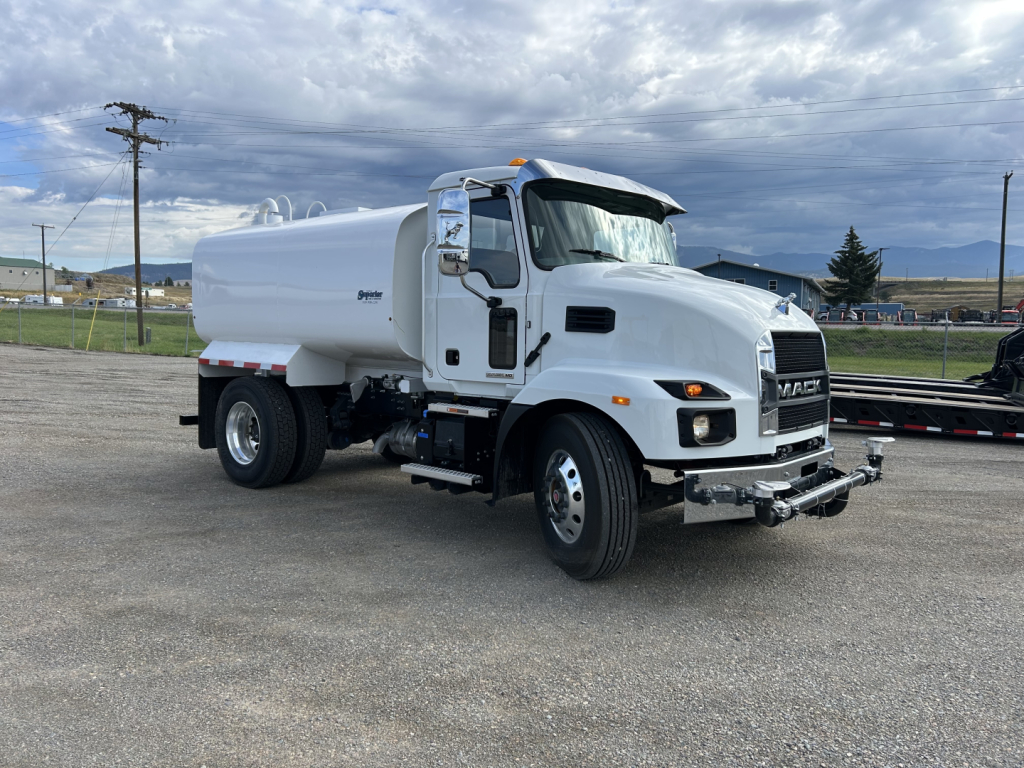
Have 2025 truck to sell? List it here to reach thousands of buyers.
About 2025 Trucks in Montana
For Class 8 highway trucks, the main split is usually between conventional day cabs and sleeper tractors. Day cabs are common for regional hauling, tanker work, bulk commodities, and dedicated lanes where maneuverability and lower tare weight matter. Common specs include 12- to 13-liter diesel engines in the 445 to 500 horsepower range, automated manual transmissions such as mDRIVE or I-Shift, tandem rears around 40,000 lb, and wheelbases in the mid-230 to mid-240 inch range. Sleeper trucks aimed at longer Montana to multi-state routes place more value on cab comfort, fuel capacity, driver-assist systems, and efficient drivetrain combinations such as downsped rear axle ratios paired with overdrive or automated transmissions.
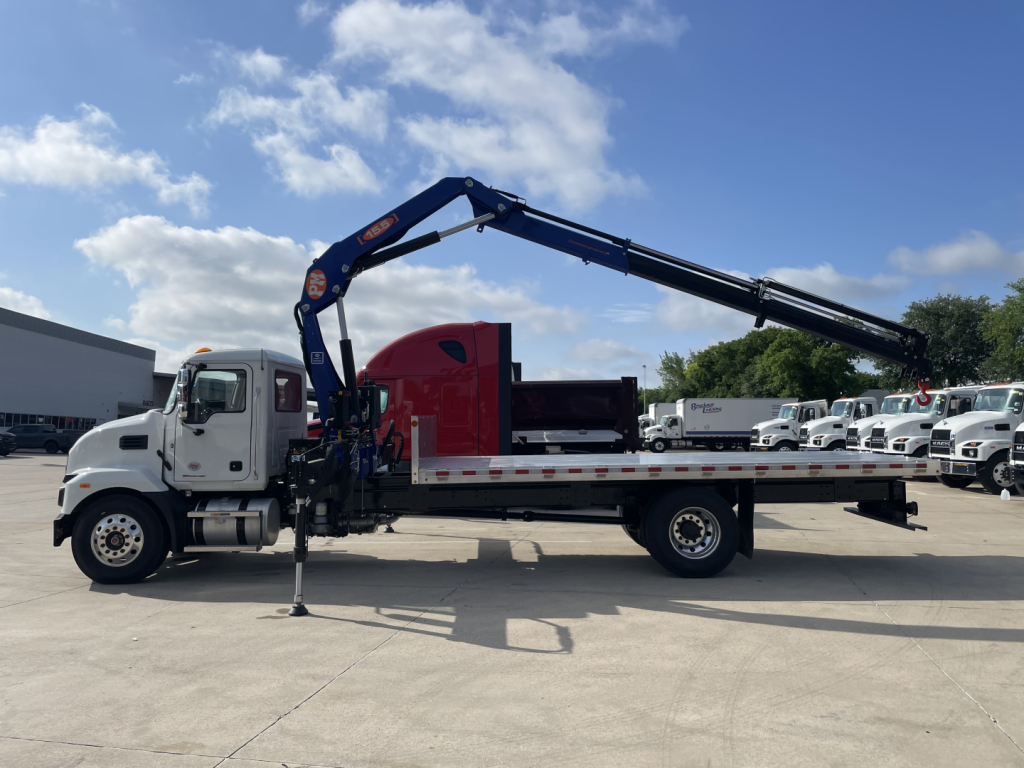
Medium-duty 2025 trucks in this market are often configured as cab and chassis units that can be upfitted for dump bodies, flatbeds, van bodies, tanks, roll-offs, service bodies, or refuse applications. A common decision point is CDL versus non-CDL operation. Trucks in the 25,995 to 31,000 lb GVWR range are popular because they give operators flexibility for local delivery, landscaping, propane, utility, and light construction work. Buyers should pay attention to PTO provision, frame length, wheelbase, front and rear axle ratings, and suspension setup before selecting a body. Allison automatic transmissions, Cummins 6.7L engines, and single rear axle layouts are common in this class because they are easy to operate and well suited to stop-and-go vocational service.
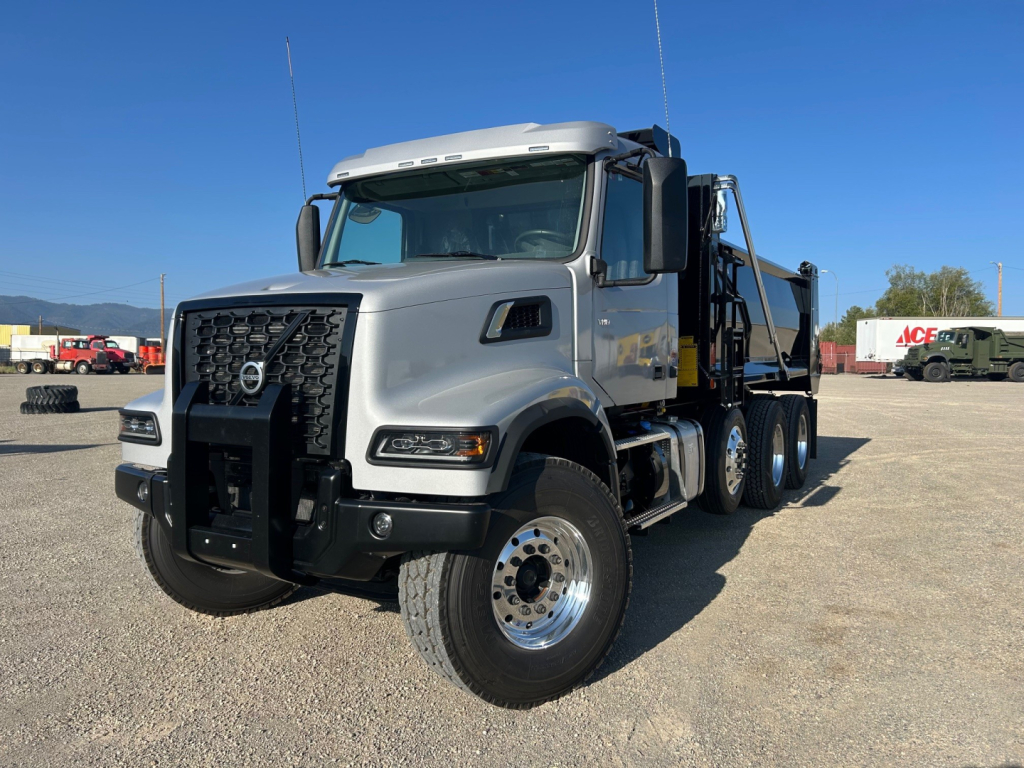
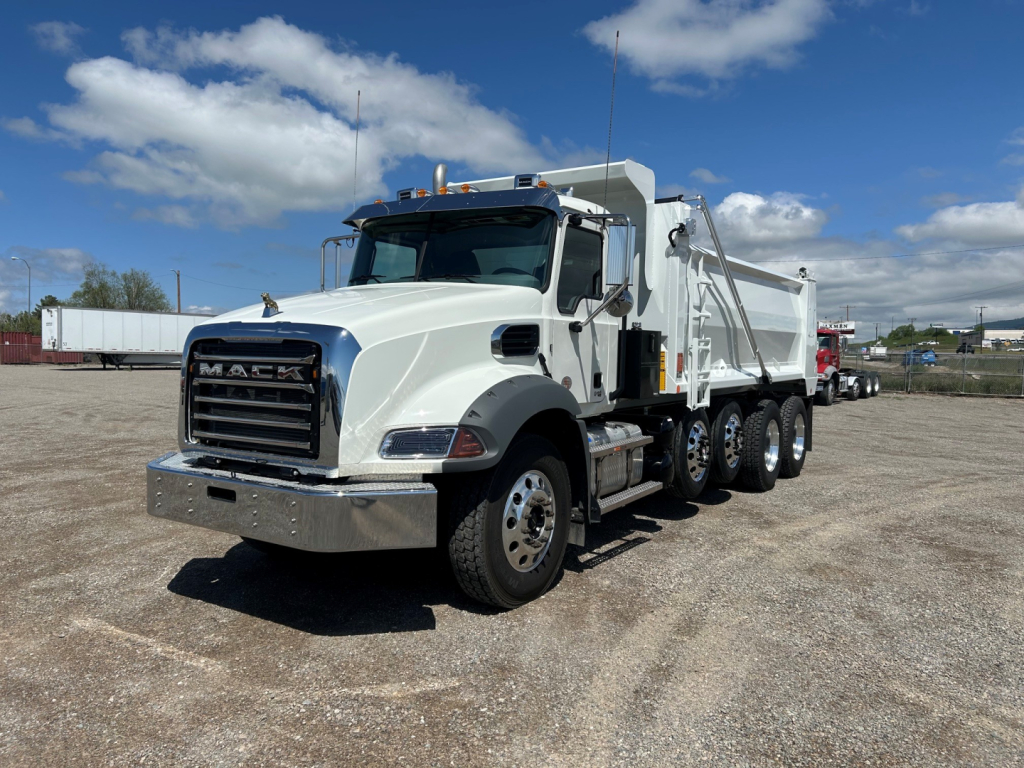
Montana buyers also tend to put extra value on durability and control features that matter in wide temperature swings and changing road conditions. Engine brakes, differential locks, hill start assist, air-ride suspensions, disc brakes, and block heaters can all be meaningful spec items depending on the route and season. If the truck will spend most of its time on pavement, aerodynamic packages, optimized rear ratios, and lighter-weight components may improve operating cost. If it will see gravel roads, jobsite entrances, or body-mounted hydraulic equipment, chassis layout, ground clearance, PTO compatibility, and vocational rear ratios become more important than pure fuel economy. The strongest 2025 truck specs are the ones matched tightly to payload, route profile, trailer or body requirements, and the skill level of the drivers who will run them.
Frequently Asked Questions
What types of 2025 trucks are most common for sale in Montana?
The Montana market typically includes Class 8 day cab tractors, sleeper tractors, medium-duty cab and chassis trucks, dump trucks, and other vocational configurations. Day cabs are common for regional freight, tanker, and bulk work, while sleepers are better suited to longer interstate runs. Medium-duty platforms are frequently sold as cab and chassis so they can be fitted with flatbeds, van bodies, tanks, dumps, or service equipment.
What should I look for when comparing a 2025 day cab to a 2025 sleeper truck?
The main differences are intended route length, cab space, weight, and drivetrain strategy. A day cab usually offers lower tare weight, easier maneuverability, and a simpler layout for regional or local work. A sleeper adds driver living space, more storage, and better suitability for long-haul operations. Buyers should compare wheelbase, fuel capacity, axle ratings, horsepower, rear ratio, and transmission spec to make sure the truck matches the actual lane and trailer combination it will run.
Is a non-CDL 2025 medium-duty truck a good fit for vocational work?
It can be, especially when the application involves local routes, frequent stops, and operators who need a simpler truck to drive. Many medium-duty trucks are built around GVWR targets such as 25,995 lb or 31,000 lb and can be used for delivery, landscaping, propane, utility, and light dump work. The key is to confirm that the body weight, payload, axle ratings, and licensing requirements all line up before purchase. A non-CDL target can be useful, but only if it still leaves enough legal payload for the job.
Which specs matter most for Montana truck buyers?
Cold-weather starting equipment, grade-climbing performance, braking control, and chassis durability are especially important in Montana. Block heaters, engine brakes, differential locks, hill start assist, and disc brakes can all add real value depending on the route. Rear axle ratio also matters because it affects launch, grade performance, and highway fuel economy. Buyers running mixed terrain should evaluate the full drivetrain as a system instead of looking at horsepower alone.
How important is wheelbase on a 2025 truck?
Wheelbase affects body fitment, trailer clearance, turning radius, weight distribution, and ride quality. On a tractor, it influences how the truck handles with different trailer lengths and kingpin settings. On a cab and chassis truck, it determines what body lengths and equipment layouts are practical. A wheelbase that is too short or too long for the intended application can create avoidable issues with maneuverability, bridge law compliance, or body installation.