
2023 Commercial Trucks For Sale in Oklahoma
Browse 2023 trucks for sale in Oklahoma, including day cabs, sleepers, roll-offs, and vocational trucks with modern powertrain options.
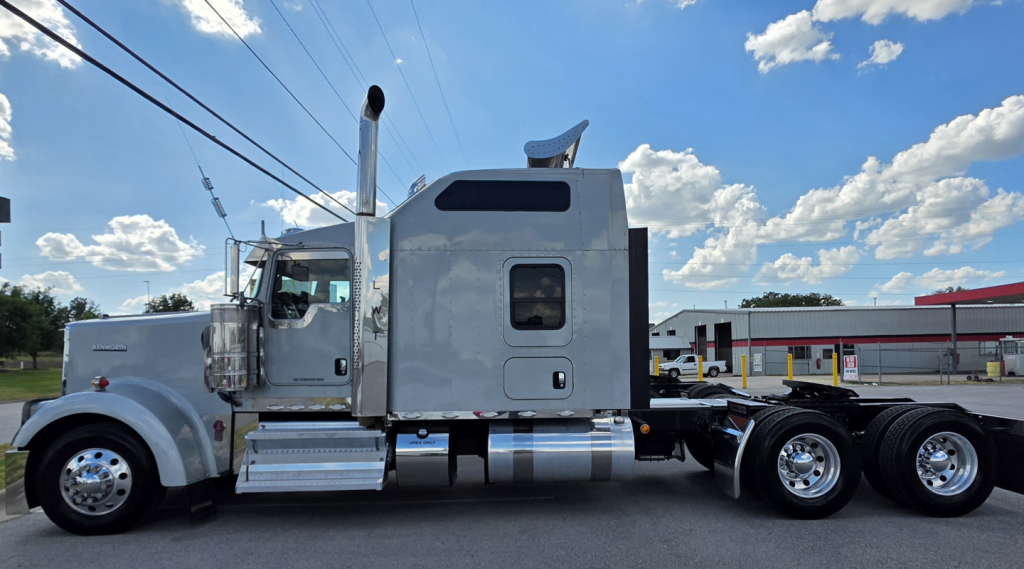
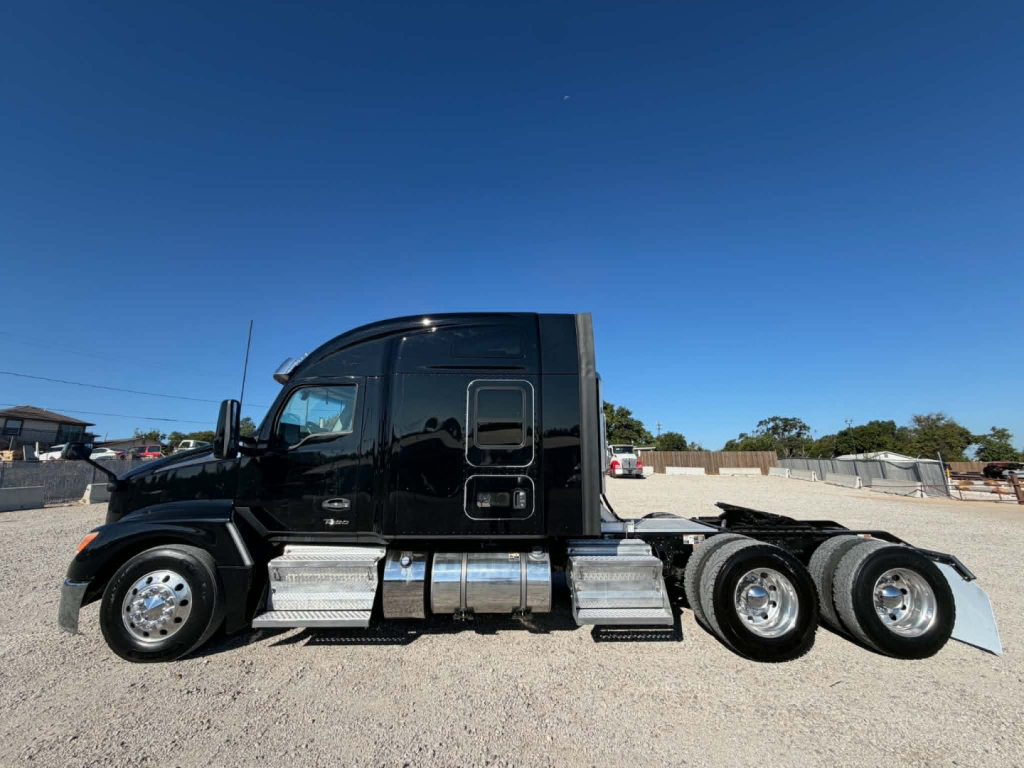
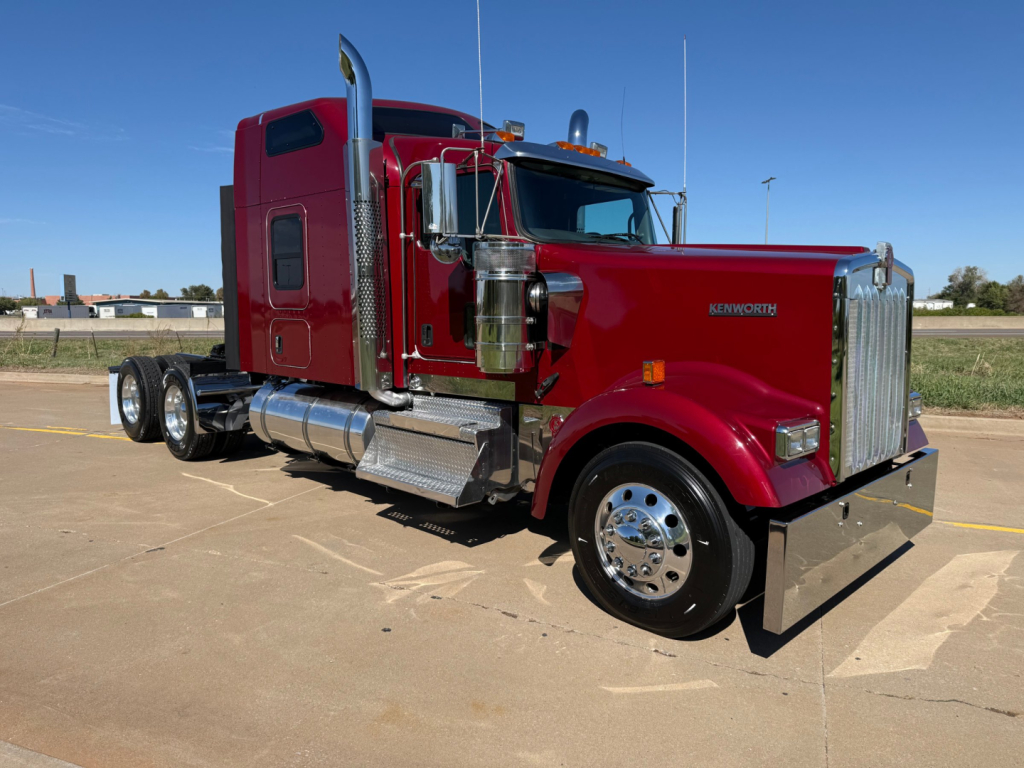
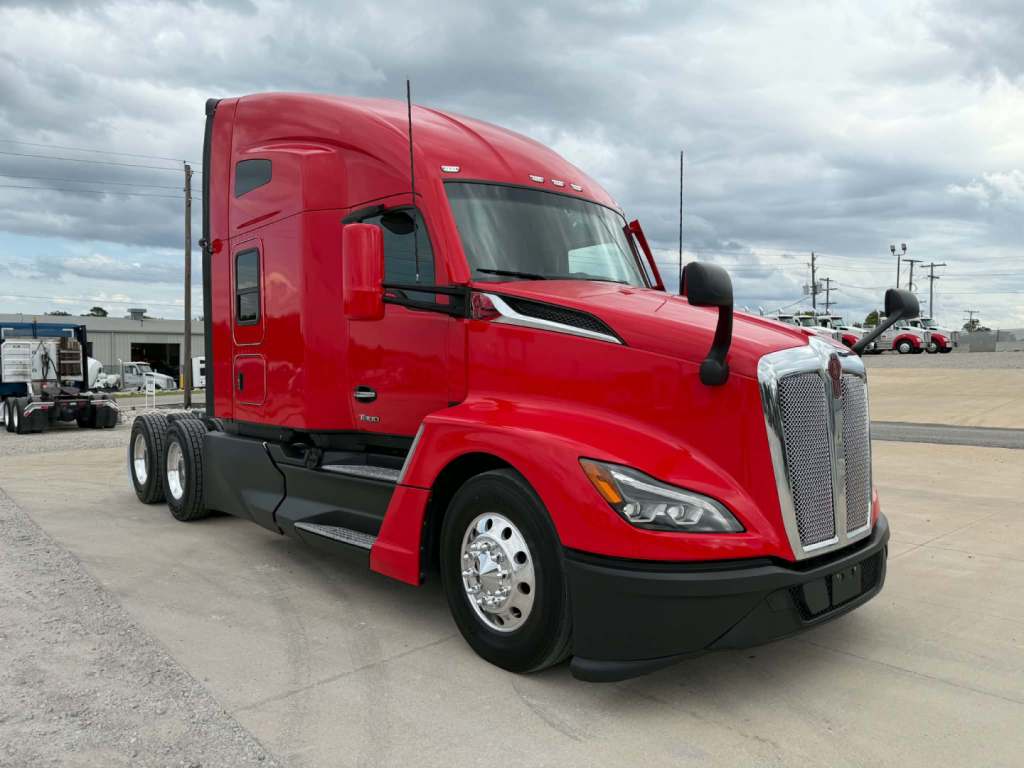
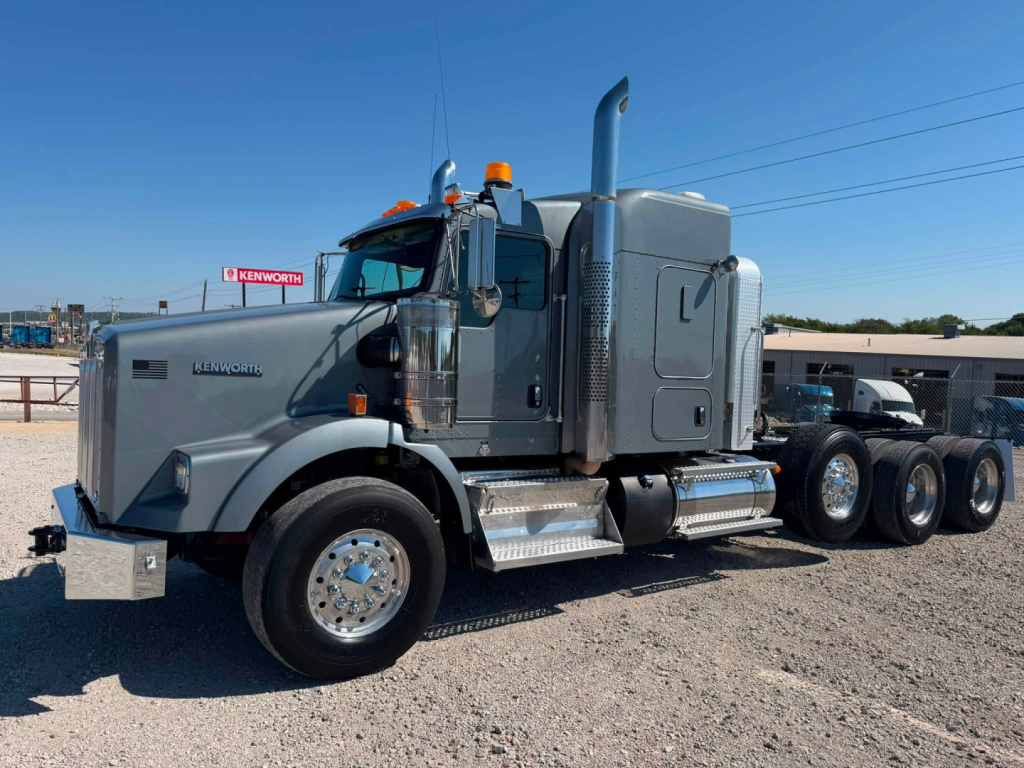
Selling a 2023 commercial truck? List your 2023 commercial truck for sale and reach thousands of commercial buyers.
2023 Commercial Trucks in Oklahoma
Powertrain selection is where most buyers should start. Many 2023 trucks on the market are equipped with modern diesel platforms in the 400 to 500-plus horsepower range, paired with automated manual transmissions or proven overdrive setups for fuel economy and driver consistency. On-road tractors often show tandem rear axles, 40,000 lb rears, front axle ratings in the 12,000 to 14,600 lb range, and rear ratios chosen for either highway efficiency or heavier vocational work. For linehaul use, wheelbase, sleeper size, and axle configuration affect bridge compliance, trailer swing clearance, and ride quality. For vocational work, frame strength, PTO readiness, suspension spec, and body compatibility usually matter more than sleeper amenities.
Oklahoma buyers should pay close attention to application-specific spec details. A day cab for regional freight or port-style shuttle work needs a different setup than a sleeper running I-35 or I-40 lanes. A roll-off or severe-service truck needs the right axle capacity, suspension, and body integration for repetitive stop-and-go work and high load shifts. If the truck will operate in mixed rural and metro routes, look at turning radius, wheelbase, cab visibility, and service accessibility. Late-model trucks from this year may also include improved telematics, collision mitigation systems, and more refined emissions controls, all of which can affect uptime, insurance, and driver acceptance.
The best 2023 truck is usually the one with the right spec match, not just the lowest miles or highest horsepower. Buyers should compare engine family, transmission type, rear ratio, GVWR, suspension, and axle ratings against the actual freight or vocational task. Also review maintenance history, remaining warranty coverage if applicable, aftertreatment service records, and tire and brake condition. For fleets and owner-operators alike, a properly spec'd 2023 truck can offer a practical balance of modern technology, financing appeal, and real-world durability in Oklahoma service.
Frequently Asked Questions about 2023 Commercial Trucks in Oklahoma
What are the main advantages of buying a 2023 truck?
A 2023 truck gives buyers access to late-model engineering, updated safety systems, and current emissions and drivetrain technology while typically avoiding the highest cost associated with the newest model year. Many trucks from this year were spec'd with fuel-efficiency improvements, automated manual transmissions, and integrated telematics. That makes them attractive for fleets focused on uptime, driver retention, and maintenance planning.
What should I look at first when comparing 2023 trucks for sale in Oklahoma?
Start with the application. The right choice depends on whether the truck will be used for linehaul, regional delivery, oilfield support, agriculture, construction, or waste handling. From there, compare axle ratings, wheelbase, GVWR, engine horsepower and torque, transmission type, rear ratio, and suspension. Oklahoma operations often involve a mix of highway speeds, wind exposure, rural roads, and heavy vocational use, so spec matching is more important than model year alone.
Are 2023 trucks commonly available as both day cabs and sleeper trucks?
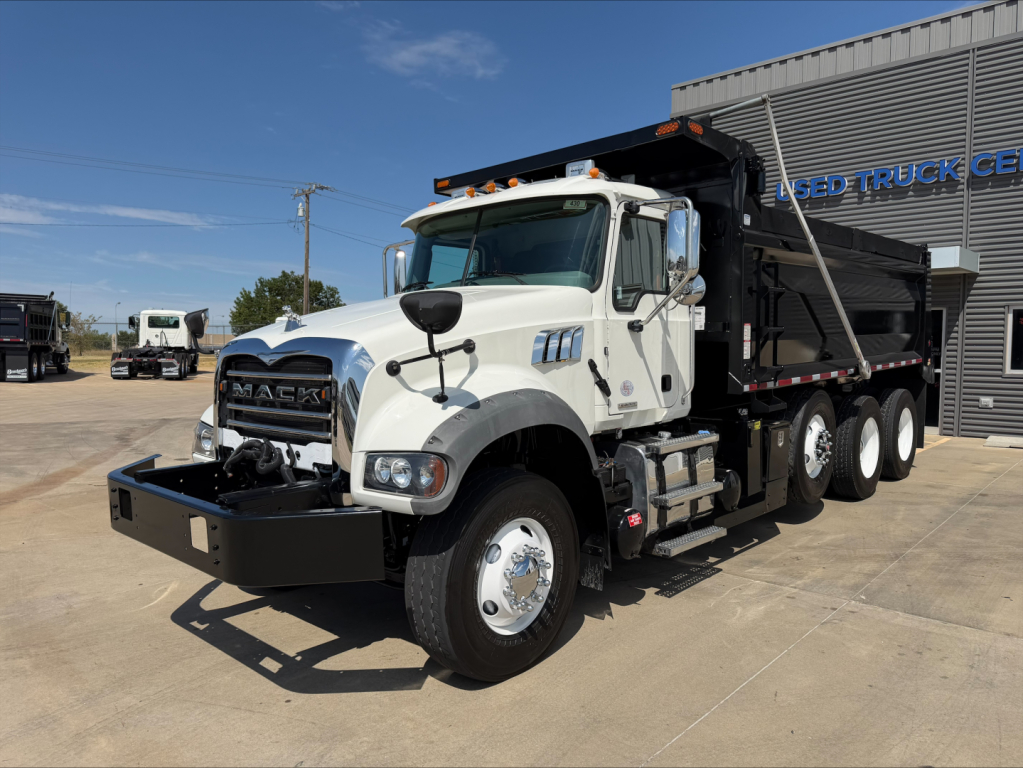
Yes. The 2023 model year includes conventional day cabs for local and regional work, conventional sleepers for over-the-road operation, and vocational chassis for specialized bodies such as roll-offs, dump bodies, and other work-truck applications. Buyers should choose cab style based on route length, driver needs, payload requirements, and chassis layout. Sleeper size, wheelbase, and fuel capacity can all affect productivity and total operating cost.
How important are rear ratio and transmission choice on a 2023 truck?
Rear ratio and transmission choice directly affect startability, cruise rpm, fuel economy, and grade performance. A taller rear ratio can help reduce engine speed at highway cruise, which often benefits fuel economy in linehaul service. A deeper ratio may be better for heavy loads, stop-and-go routes, or vocational work. Automated manual transmissions are common on late-model trucks because they improve shift consistency and reduce driver fatigue, but the right setup still depends on terrain, load, and average speed.
Is a 2023 truck a good choice for fleets as well as owner-operators?
Yes. For fleets, 2023 trucks can support standardized maintenance programs, strong driver appeal, and a more predictable replacement cycle. For owner-operators, they can offer a good balance of modern features, financing potential, and lower acquisition cost compared with a brand-new truck. In both cases, the best value comes from reviewing service records, checking aftertreatment history, and confirming that the truck's original spec fits the intended work.