
2023 Commercial Trucks For Sale in New Jersey
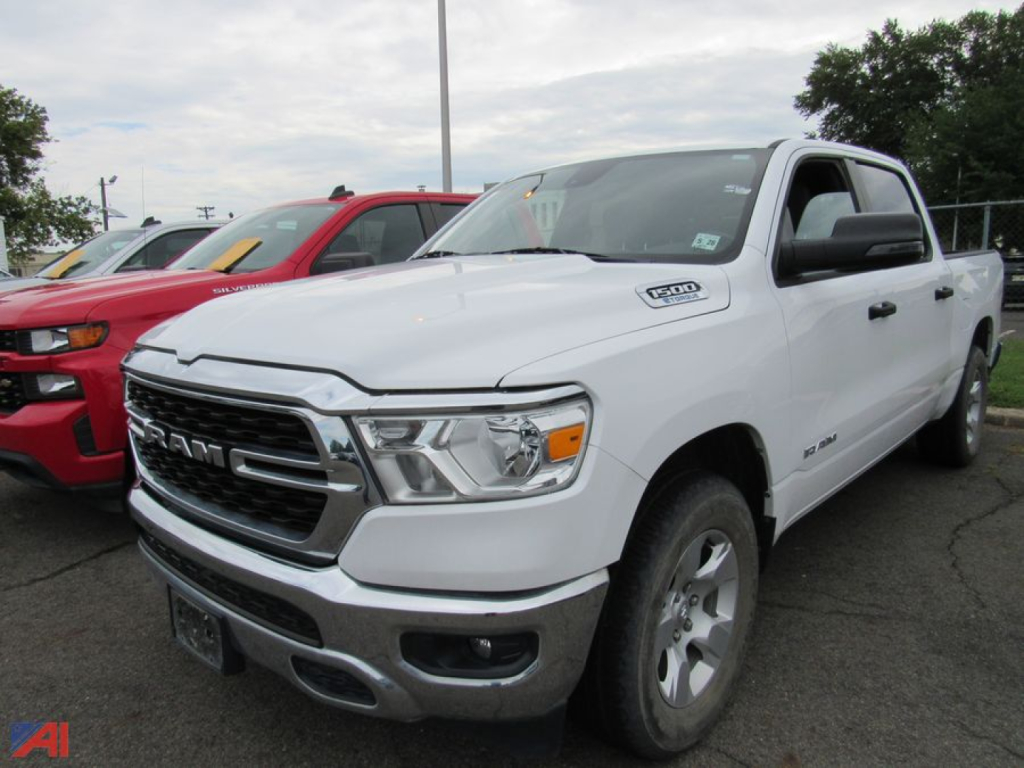
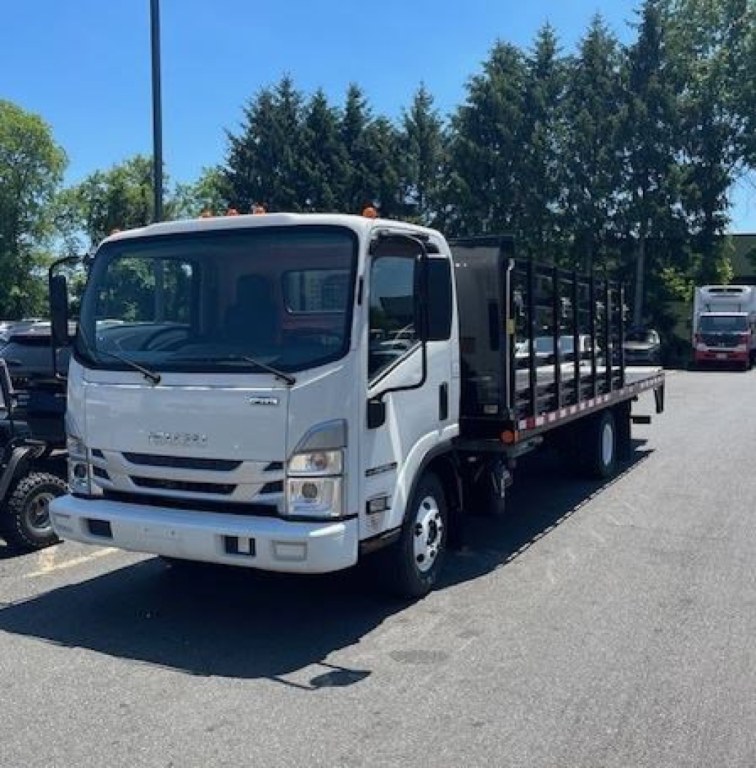

Have 2023 commercial truck to sell? List it here to reach thousands of buyers.
2023 Commercial Trucks in New Jersey
The first decision is usually truck class and body style. A 2023 light-duty or medium-duty truck may be the right fit for local delivery, landscape supply, service fleets, and trades that need maneuverability in tighter urban and suburban routes. Buyers comparing box trucks should look at GVWR, wheelbase, body length, liftgate capacity, door opening height, and whether the truck uses spring suspension or air ride. For dump and vocational applications, focus on axle ratings, PTO setup, hoist type, body material, brake configuration, and whether the truck was spec'd for plowing, salting, towing, or other seasonal work common in the Northeast.
Powertrain and operating cost matter more in a 2023 truck purchase than headline mileage alone. Diesel remains the standard for heavier GVWR trucks and vocational applications that spend time under load, while gasoline engines can still make sense in lighter service bodies and municipal duty cycles with lower annual miles. Transmission type, rear axle ratio, engine brake availability, fuel tank material, and tire size all affect real-world usability. On newer trucks, buyers should also pay attention to emissions warranty status, DEF system service records, idle hours, and any signs of corrosion from winter road treatment, especially in New Jersey where salt exposure can shorten body and frame life if the truck was not maintained properly.
Cab condition and driver-spec features also deserve a close look because they affect retention and daily productivity. Common features on newer trucks include automatic transmissions, power windows and locks, heated mirrors, suspension seats, Bluetooth radio, backup camera systems, and electronic stability or ABS-related safety systems depending on class. A strong 2023 truck should match the job without being over- or under-spec'd. The right combination of GVWR, wheelbase, axle configuration, body upfit, and service history will usually matter more than brand alone when comparing multiple trucks in the same model year.
Frequently Asked Questions about 2023 Commercial Trucks in New Jersey
What should I look for first when comparing 2023 trucks for sale in New Jersey?
Start with the truck's intended application, then match GVWR, body style, wheelbase, and axle ratings to that job. A box truck for local delivery needs different specs than a dump, service body, tow truck, or vacuum truck. In New Jersey, buyers should also inspect for corrosion from road salt, review maintenance records, confirm emissions system service history, and verify the truck is properly spec'd for tight urban routes, highway work, or seasonal vocational duty.
Are 2023 diesel trucks a better choice than gasoline trucks?
Diesel is usually the better fit for medium-duty and heavier vocational trucks that run loaded, tow regularly, or accumulate higher annual miles. Gas engines can still be a practical choice for lighter-duty service, municipal, or contractor applications where acquisition cost, simpler maintenance, and shorter trip cycles matter more than maximum torque. The best choice depends on payload, route profile, idle time, and how long the truck is expected to stay in the fleet.
What common truck types are included in the 2023 truck category?
This category can include pickup-based work trucks, cab and chassis units, box trucks, dump trucks, service and utility trucks, tow trucks, vacuum trucks, and other vocational configurations. The same model year can cover a wide span of truck classes, from light-duty commercial units to heavier chassis built for specialized bodies. Buyers should read each listing closely because body equipment, PTO provisions, hoists, liftgates, and axle specs vary widely even within the same year.
Why is GVWR so important on a 2023 truck?
GVWR determines the truck's legal weight capacity and strongly influences registration, licensing, body choices, payload, brake sizing, tire requirements, and intended use. It also affects how the truck performs in stop-and-go work, highway service, and jobs that involve consistent loading. A truck with too little capacity will be overloaded and wear out faster, while an over-spec'd truck can cost more to buy, fuel, and maintain than the job requires.
How important are service records on a late-model 2023 truck?
Service records are critical because a newer truck can still have expensive deferred maintenance if it was used hard or maintained inconsistently. Buyers should look for routine PM intervals, brake and tire history, DEF and aftertreatment repairs, warranty documentation, and records tied to body equipment such as liftgates, PTO systems, hydraulic hoists, or vacuum components. On a 2023 truck, documented maintenance often tells you more about future uptime than the odometer by itself.