
2021 Commercial Trucks For Sale in Oklahoma
Browse 2021 trucks for sale in Oklahoma, including day cabs, sleepers, and chassis trucks with modern powertrains and current-spec features.
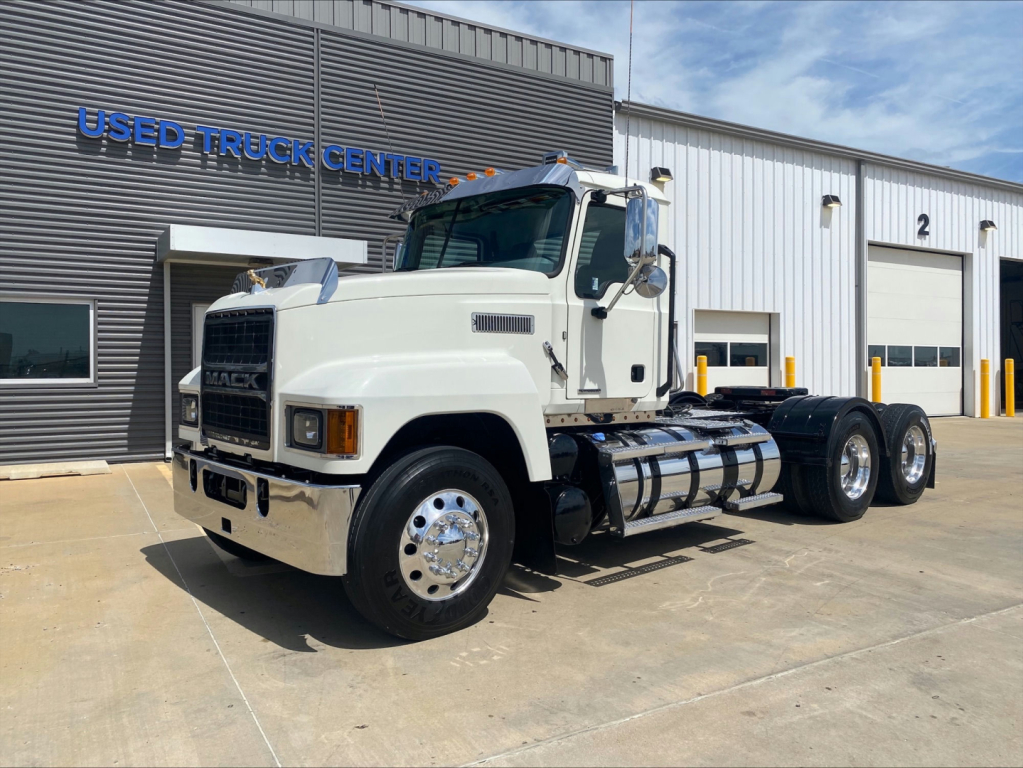

Selling a 2021 commercial truck? List your 2021 commercial truck for sale and reach thousands of commercial buyers.
2021 Commercial Trucks in Oklahoma
Powertrain selection matters more than badge alone on a 2021 truck. Common engines in this year range include 11 to 13 liter platforms from Volvo, Mack, Cummins, Detroit, and Paccar, often paired with 12-speed automated manuals such as Volvo I-Shift, Mack mDRIVE, Detroit DT12, or Eaton Endurant. Horsepower in the 400 to 455 range is typical for linehaul and regional use, while axle ratings often land around 12,000 pounds front and 40,000 pounds rear on tandem tractors. Rear axle ratios can vary widely, and that choice affects cruise rpm, startability, and fuel economy. A buyer planning heavy vocational pulls, hopper work, or frequent stop-and-go routes should compare ratio, suspension type, and wheelbase just as closely as engine model and mileage.
For Oklahoma operations, spec details should match terrain, load type, and seasonal duty cycle. Air-ride rear suspension is common on highway tractors and helps ride quality and freight protection, while vocational setups may prioritize durability and PTO compatibility. If the truck will pull tank, hopper, lowboy, or end dump, confirm wet kit provisions, frame space, and transmission programming. If it will run regional dry van or reefer, focus on fuel economy gearing, fairings, driver comfort, and service history. On a 2021 model, buyers should pay close attention to DPF, DOC, and SCR maintenance records, clutch and actuator history on automated manuals, tire condition, brake wear, and any telematics or ADAS features that may affect insurance, uptime, or driver acceptance.
A good 2021 truck should be evaluated as a total operating package, not just a year and odometer reading. Look at wheelbase versus trailer swing clearance, fifth wheel position, axle spread, remaining tire life, and whether the spec fits your lanes and trailer mix. Day cabs from this year are often attractive for dedicated freight and short regional routes because they combine modern drivability with lower tare weight and easier yard maneuvering. Sleeper tractors can still be a strong value when the cab, bunk, and HVAC systems have been maintained properly. Cab and chassis trucks from this period also offer a solid foundation for body installation if the rail dimensions, axle ratings, and PTO options line up with the intended build.
Frequently Asked Questions about 2021 Commercial Trucks in Oklahoma
What makes a 2021 truck a strong used-buy year?
A 2021 truck is late-model enough to offer current drivetrain technology, modern safety systems, and broad parts support, but it usually costs less than a comparable new unit. Many 2021 trucks also have automated manual transmissions, improved aerodynamics, and engines designed for better fuel economy than older fleets. For buyers trying to balance uptime, driver acceptance, and acquisition cost, this model year often delivers a practical middle ground.
What should I check first on a used 2021 semi truck?
Start with the maintenance history, engine hours, mileage, and emissions service records. On a 2021 truck, the aftertreatment system is a major checkpoint, including DPF cleaning intervals, SCR performance, and any fault history. After that, review transmission operation, axle ratio, suspension type, brake life, tire condition, and wheelbase. The goal is to confirm that the truck's actual spec matches the work it will do, not just that it looks clean on the lot.
Are 2021 day cab trucks a good fit for Oklahoma operations?
Yes, many 2021 day cab trucks are well suited for Oklahoma freight patterns, especially regional haul, ag support, dedicated lanes, and oilfield-related work. They are easier to maneuver, typically lighter than sleeper tractors, and often have the horsepower and axle ratings needed for tandem-axle trailer work. The key is matching the wheelbase, gearing, and PTO or hydraulic requirements to the route and trailer type.
What engine and transmission specs are common on 2021 trucks?
Many 2021 highway trucks use 11 to 13 liter diesel engines rated around 400 to 455 horsepower, paired with 12-speed automated manual transmissions. Volvo I-Shift, Mack mDRIVE, DT12, and other AMTs are common in this year range because they improve fuel economy and reduce driver fatigue. Front axle ratings around 12,000 pounds and tandem rear ratings around 40,000 pounds are also common on linehaul tractors, though exact specs vary by application.
How important is wheelbase on a 2021 truck?
Wheelbase directly affects maneuverability, bridge law flexibility, trailer clearance, body installation options, and ride quality. A shorter wheelbase may be better for urban or tight-yard work, while a longer wheelbase can improve stability and leave more room for equipment such as wet kits, bigger fuel tanks, or frame-mounted accessories. On a 2021 truck, wheelbase should be reviewed alongside fifth wheel placement, axle spacing, and intended trailer use to avoid buying the wrong configuration.